Easter recipes: Starters, main courses and desserts for your Easter feast
These easy Easter options will impress without any stress.
Parsnip and fennel soup
In this soup the natural sweetness of parsnip combines beautifully with the delicate aniseed flavour of fennel, producing a smooth, velvety and elegant dish

Servings
4Preparation Time
10 minsCooking Time
30 minsTotal Time
40 minsCourse
StarterIngredients
1 medium onion
4 medium parsnips
2 large fennel bulbs, stalks removed
1 stick of celery
15g fresh flat-leaf parsley
70g butter
sea salt
freshly ground black pepper
1.5l vegetable stock
200ml milk
To serve:
fresh cream
fresh fennel fronds
Method
Peel the onion and parsnips. Chop finely, together with the fennel bulbs and celery, to roughly the same size dice. Roughly chop the parsley leaves.
Melt the butter in a large pot or casserole dish. Add the onion, parsnips, fennel and celery, and season well with salt and pepper. Stir so that everything in the pot is well coated in the butter.
Construct a cartouche by cutting a circle of greaseproof paper which perfectly covers the inside of your pot. Press this down on the vegetables, sealing them in to cook. Put the lid on the pot and cook for around 10 minutes on a gentle heat. Check and stir at least once to make sure nothing catches them on the bottom.
Meanwhile, in another pot, heat up your vegetable stock until it comes to the boil. This will shorten the cooking time considerably.
When it’s boiling, remove the cartouche from the other pot and pour your hot stock over the vegetables, stirring the contents to make sure nothing is stuck to the bottom.
Simmer on a medium heat for around 20 minutes until the vegetables are completely soft and tender.
Add the milk and parsley, and blend with a stick blender until completely smooth and creamy.
Check the seasoning and serve with a swirl of cream and some fennel fronds sprinkled on top of each bowl.
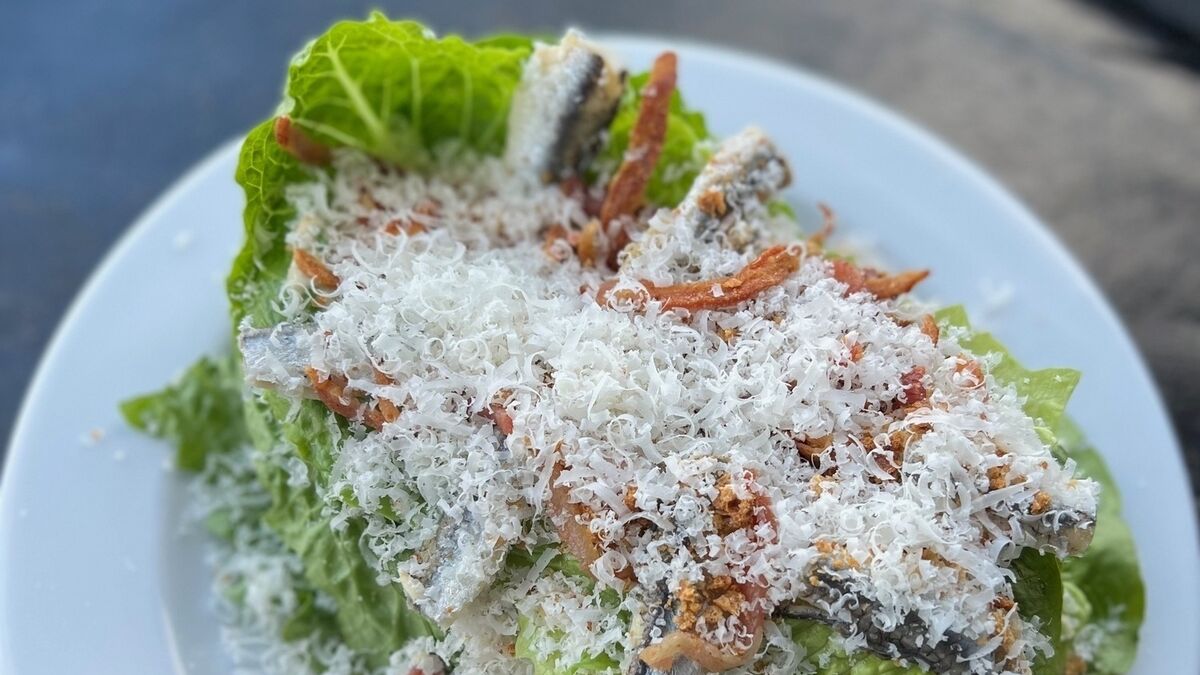
Rebooted Caesar salad
I love taking dishes that are almost tragically ‘unhip’ and with some quality ingredients and newer techniques, making a dish smart and fun again. Especially something like a Caesar salad which everybody loves!
Servings
4Preparation Time
10 minsCooking Time
5 minsTotal Time
15 minsCourse
StarterIngredients
For the Caesar:
A head of large romaine lettuce or 2 heads of baby gem
Aged Parmesan, grated, for garnish
2 anchovy fillets (Boquerones are best)
50g Lough Neagh smoked eel
For the dressing:
1 tsp Dijon mustard
1¼ tsp white wine vinegar
1 black garlic clove
1 egg yolk
1 tsp lemon juice
10g Parmesan, grated
1 tsp Worcestershire sauce
1 dash Tabasco
A pinch of black pepper
120ml vegetable oil
For the Pangrattato:
250g stale sourdough, roughly blended
100g guanciale or high-quality smoked bacon, diced as finely as possible
A splash of extra virgin olive oil
Zest of 1 lemon
Method
To make the dressing, it is essentially the same process as making a mayonnaise. Place the egg yolk, vinegar, black garlic, eel and anchovy into a food processor and blend until smooth. Slowly drizzle in the oil until the dressing reaches a thick consistency and add the final ingredients until the dressing reaches the taste you like.
To make the Pangrattato, add the guanciale (or high-quality smoked bacon, if using) to a cold pan and allow it to crisp up slowly and the fat render well from the meat. As soon as it crisp, remove it with a slotted spoon onto kitchen paper. Add the chopped sourdough to the pan of rendered fat and allow to crisp, just like croutons, and add the lemon zest and leave to one side until ready to finish the dish.
To finish the dish, take the lettuce and break into individual leaves, wash and dry the leaves.
Generously dress each leaf with a handsome amount of the Caesar dressing, a handful of the Pangrattato and a large grating of aged parmesan. Rebuild the leaves on a plate, each one back on top of the other and finish the top layer with the still crisp guanciale, a few Boquerones anchovies, 5-6 pieces of smoked eel, and cover this final layer with the remaining croutons and a final grating of Parmesan.
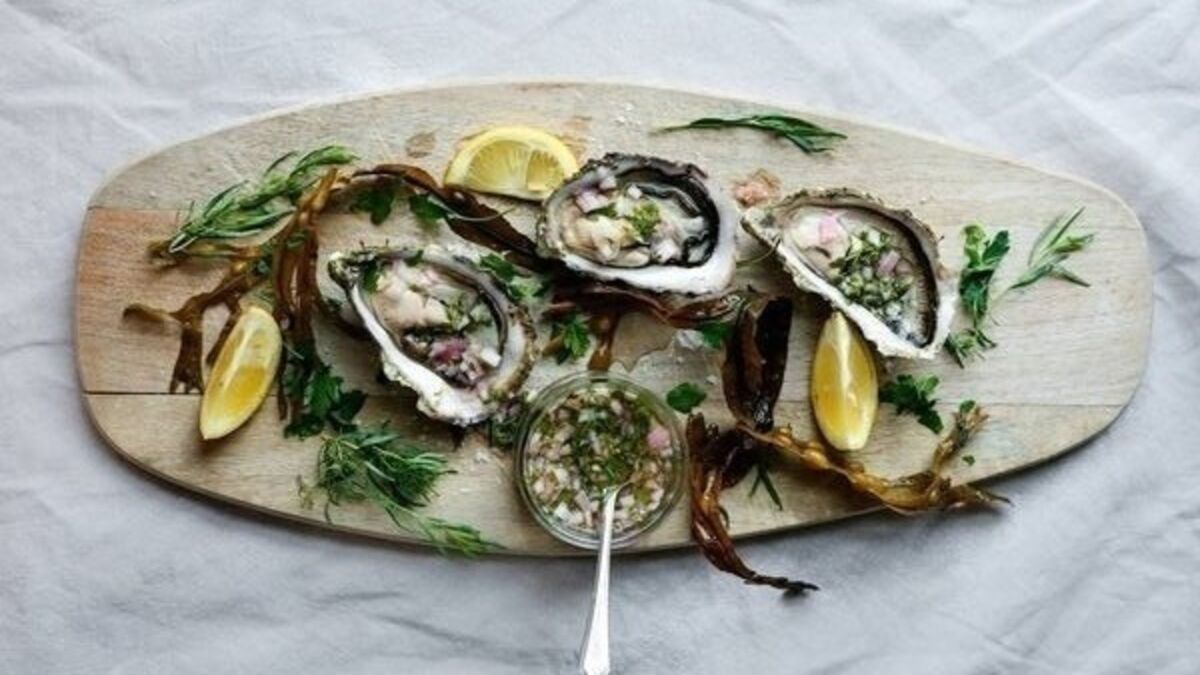
Oysters with herb dressing
Irish oysters with rice wine vinegar and fresh herbs make a delicious, simple starter
Servings
4Preparation Time
10 minsTotal Time
10 minsCourse
MainIngredients
6-12 fresh Irish oysters
125ml rice wine vinegar
handful of roughly chopped flat-leaf parsley
handful of roughly chopped chervil
1 medium shallot, finely diced
juice of ½ lemon
pinch of sea salt
pinch of black pepper
lemon wedges, to serve
Method
Shuck the oysters, being extremely careful not to stab yourself in the palm of your hand. It is best done with a proper oyster shucker.
In a medium bowl, whisk together the rice vinegar, herbs, shallot, lemon juice, sea salt and pepper.
Place in a small bowl with a teaspoon. Serve with the oysters on a wooden board, spooning a little dressing over the oysters before eating.
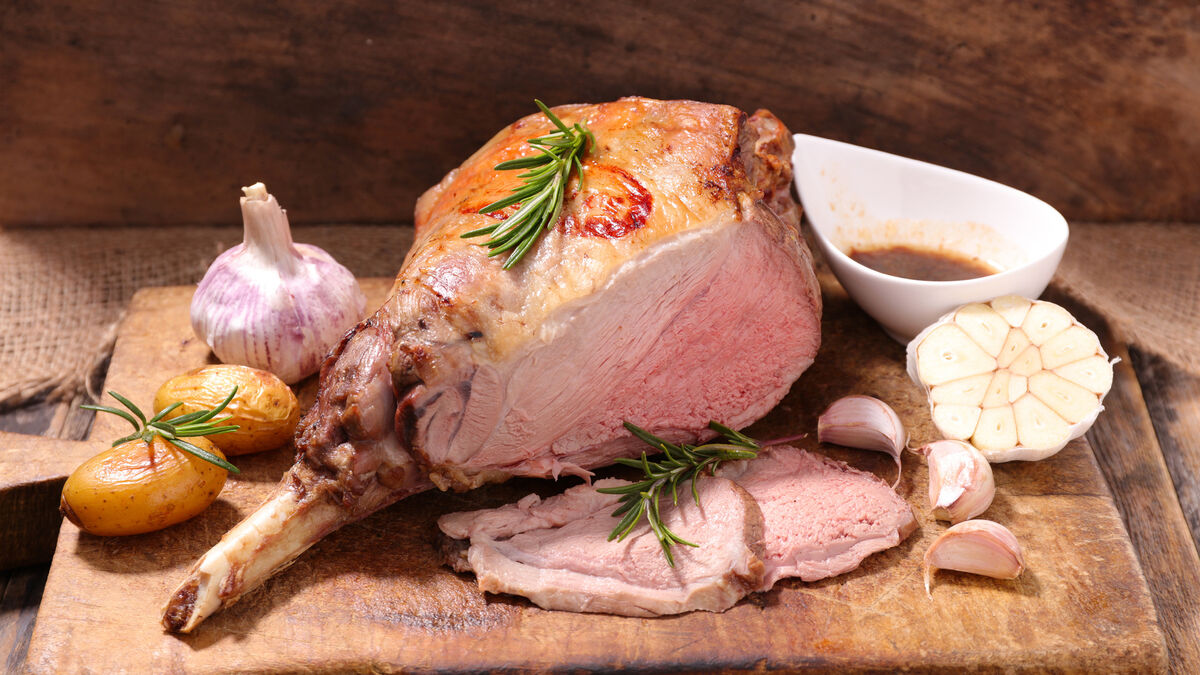
Roast lamb with gravy
Young spring lamb is sweet and succulent and needs virtually no embellishment, apart from a dusting of sea salt, pepper and fresh mint sauce
Servings
8Preparation Time
15 minsCooking Time
1 hours 25 minsTotal Time
1 hours 40 minsCourse
MainIngredients
1 leg of lamb – about 2.7kgs
sea salt
freshly ground pepper
For the gravy:
600ml
lamb or chicken stock
a little roux
salt
freshly ground pepper
Method
Remove the aitch bone from the top of the leg of lamb or ask your butcher to do it for you. This makes it so much easier to carve later. Then saw off the knuckle from the end of the leg. Season the skin with salt and freshly ground pepper. Transfer into a roasting tin.
Preheat the oven to 180°C.
For rare, roast for 1¼-1½ hours; for medium and well done, roast for 1½-1¾ hours. When the lamb is cooked to your taste, remove the joint to a hot carving dish.
Rest the lamb in a low oven at 50-100°C for 10 minutes before carving.
Meanwhile make the gravy. Degrease the meat juices in the roasting tin, add the stock. Bring to the boil and whisk in a little roux, just enough to thicken slightly. Taste and allow it to bubble up until the flavour is rich enough. Correct the seasoning and serve hot with the lamb, roast spring vegetables and lots of crusty roast potatoes.
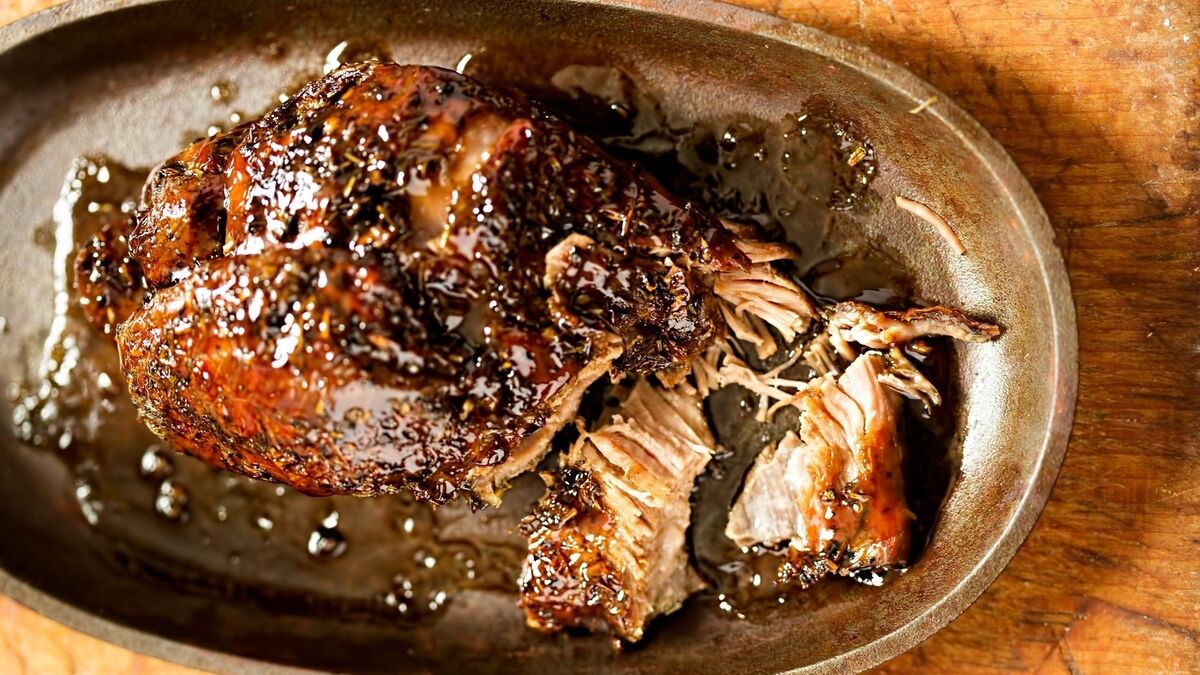
Slow-roasted shoulder of lamb
The flavour of lamb shoulder is sweet and juicy - slow-roasted and delightfully tender, this dish is worth the wait
Servings
6Preparation Time
20 minsCooking Time
2 hours 0 minsTotal Time
2 hours 20 minsCourse
MainIngredients
1 shoulder of lamb (3.3-3.6kg) on the bone
extra virgin olive oil
salt
freshly ground pepper
For the gravy:
600ml homemade lamb or chicken stock
roux, optional
Method
Score the skin of the meat in a diamond pattern with a sharp knife. Sprinkle the meat with salt and freshly ground pepper and drizzle with olive oil, roast in a low oven 140°C in the usual way for 6-7 hours – this gives a delicious juicy succulent texture. Alternatively cook in a moderate oven 180°C for 2-2½ hours. Carve it into thick slices.
Serve with light gravy. To make the gravy, spoon the fat off the roasting tin. Add the stock into the remaining cooking juice. Boil for a few minutes, stirring and scraping the pan well, to dissolve the caramelised meat juices – I find a small whisk ideal for this. Allow to thicken with a very little roux if you like.
Taste and add salt and freshly ground pepper if necessary. Strain and serve the gravy separately in a gravy boat. Serve with new potatoes and a garden salad with edible spring flowers.
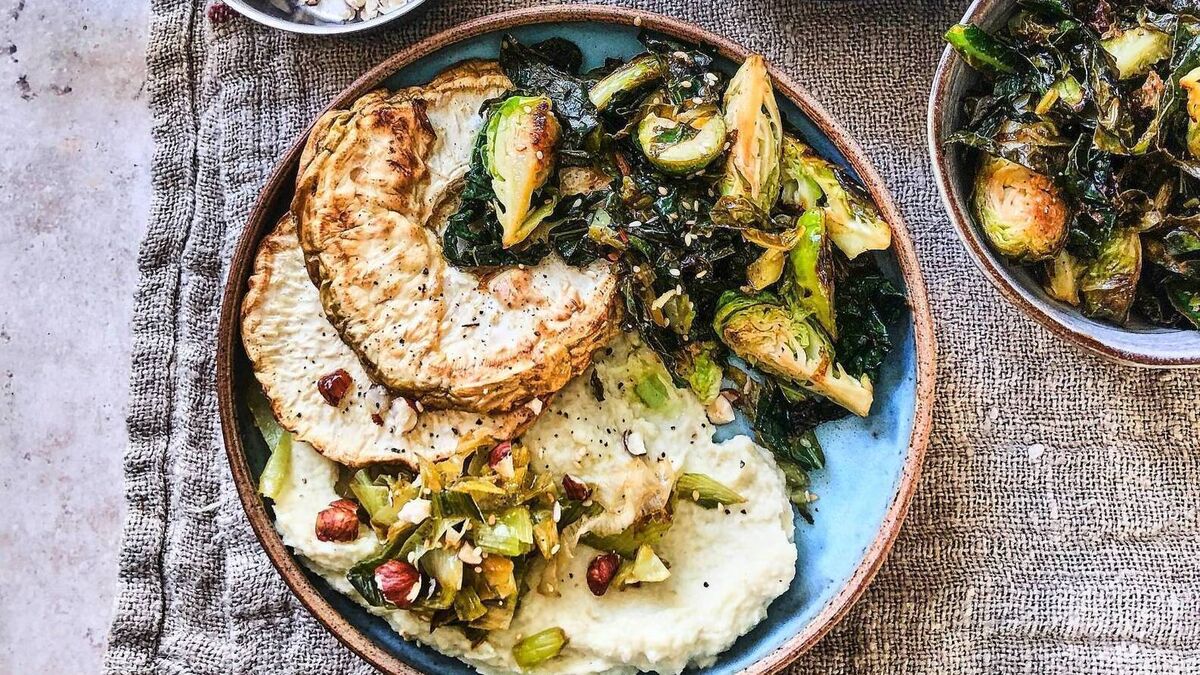
Roast celeriac steaks with celeriac purée, sauteed greens, caramelised leeks and toasted nuts
Celeriac is the perfect vegetable to cook as a steak. It's flavour is greatly enhanced by roasting, and when served with greens and toasty nuts is a wonderfully festive meal.
Servings
2Preparation Time
10 minsCooking Time
45 minsTotal Time
55 minsCourse
MainIngredients
½ celeriac cleaned and sliced into steaks
2 tbsp olive oil
Big pinch sea salt flakes
½ celeriac peeled and cut into cubes
2 large leeks, sliced and cleaned
2 tbsp olive oil
Pinch sea salt
For the purée:
3 tbsp natural yoghurt
1 tsp sea salt and black pepper
½ tsp garlic granules
2 tbsp extra virgin olive oil
Squeeze lemon juice
½ the cooked leeks
For the sautéed sprouts and greens:
1 tbsp olive oil
200g sprouts, sliced into quarters
100g greens of choice
Juice ½ lemon
1 tbsp extra virgin olive oil
Big pinch sea salt flakes and black pepper
Toasted hazelnuts
Method
Preheat your oven to 180°C/gas mark 4. Cut half the celeriac up into steaks.
Add to a large roasting pan with olive oil and salt. Roast for 20 minutes, then turn. Continue to roast for a further 20 -25 minutes or until the veg is cooked and golden brown. Remove from the oven.
To cook the leeks, add the oil and chopped leeks to a frying pan and fry gently for 10 minutes until soft and caramelised.
Set aside half for the purée. Put the cubed celeriac into a pan of boiling salted water and boil for 15 minutes or until tender.
Drain and set aside.
Now add it along with all the other purée ingredients to your food processor and blitz until very smooth and creamy.
To cook the sprouts and greens, add the olive oil to a frying pan along with sprouts, fry for 2-3 minutes until a little tender then add the greens.
Fry for a further minute until soft then add in the lemon juice, olive oil and salt and pepper.
To serve, top the purée with the celeriac streaks, greens, caramelised leeks and toasted hazelnuts.
My Vegan Year by Niki Webster published by Welbeck is out now, find more of Niki's recipes at rebelrecipes.com
Ottolenghi’s cauliflower roasted in chilli butter
Cauliflower is a humble vegetable, but if you feed it with oil or butter and slow-cook it, it will develop an intense sweetness and depth

Servings
4Preparation Time
10 minsCooking Time
50 minsTotal Time
60 minsCourse
SideIngredients
2 large whole cauliflowers, with leaves (1.9kg)
2 onions, peeled and cut into eighths
8 red chillies, whole with a vertical slit cut into them
1 lemon, cut into wedges, to serve
Salt
For the chilli butter:
120g unsalted butter, melted (or 120ml olive oil, if you want to keep it vegan)
110ml olive oil
1 ¼ tbsp red bell pepper flakes
2 ½ tsp tomato paste
1 ¼ Urfa chilli flakes
90g rose harissa (adjust according to the brand you are using)
¾ tsp Aleppo chilli flakes (or 1/3 tsp regular chilli flakes)
3 garlic cloves, crushed
1 ½ tsp caster sugar
Method
Trim the leaves at the top of each cauliflower, so that about 5cm of the actual cauliflower is exposed. Cut both cauliflowers into quarters lengthways, making sure the leaves remain attached at the base.
Fill a very large pan (large enough to fit all the cauliflower quarters) with well-salted water and bring to the boil.
Once boiling, blanch the cauliflower quarters for 2 minutes, weighing them down with a lid a little smaller than the pan to ensure they stay submerged. Transfer to a colander to drain well. Preheat the oven to 180°C.
Mix all the ingredients for the chilli butter together in a small bowl with 1 teaspoon of salt. Place the cauliflower quarters, onions and chillies on a very large, parchment-lined baking tray and pour over the chilli butter. Carefully mix to make sure everything is very well coated (gloved hands are best for this). Arrange the cauliflower quarters so they are spaced apart as much as possible; one of the cut sides of each quarter should face down, so the leaves are exposed.
Roast for 30 minutes, baste well, then turn the heat down to 170°C and continue to roast for another 35-40 minutes, basting twice, until the cauliflower is very well browned and the leaves are crispy.
Transfer everything to a platter, spooning over the remaining chilli butter and browned aromatics from the baking tray. Serve at once, with the lemon wedges alongside.
From Flavour by Yotam Ottolenghi
Potato gratin
This creamy side dish with delicate, thinly sliced potato is delicious with roast meat and fresh salad

Servings
4Preparation Time
15 minsCooking Time
15 minsTotal Time
30 minsCourse
SideIngredients
1.1kg potatoes thinly sliced
110g Cheddar, grated
55g Parmesan, grated
55g butter, cut into small pieces
salt
pepper
500ml cream
2 tsp finely chopped garlic
Method
Heat oven to 190°C and lightly butter a gratin dish.
Put a layer of potatoes in the dish and sprinkle on some cheese and pieces of butter. Continue until all the potato is used.
Mix cream, salt, pepper and garlic in a jug and pour over the potatoes
Sprinkle the remaining cheese on top, cover with tinfoil and bake for an hour.
Remove tinfoil and bake for about 15 minutes until bubbling and nicely browned
Leave it set in the dish for about 15 mins before serving.
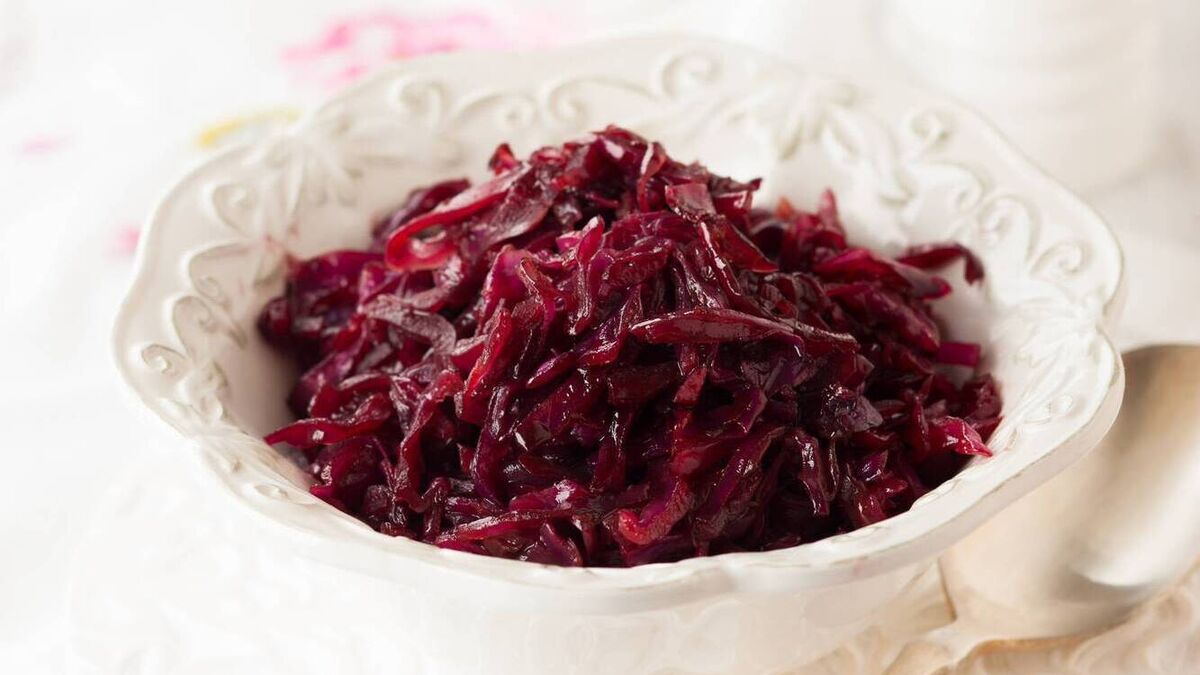
Braised red cabbage
This red cabbage can be made several days ahead or frozen for several weeks.
Servings
6Preparation Time
5 minsCooking Time
50 minsTotal Time
55 minsCourse
SideIngredients
450g Irish red cabbage
450g Irish cooking apples (Bramley’s Seedling)
1 tbsp wine vinegar
120ml water
1 level tsp salt
2 heaped tbsp sugar
Method
Remove any damaged outer leaves from the cabbage. Examine and clean it if necessary. Cut in quarter, remove the core and slice the cabbage finely across the grain. Put the vinegar, water, salt and sugar into a cast-iron casserole or stainless steel saucepan. Add the cabbage and bring it to the boil.
Meanwhile, peel and core the apples and cut into quarters (no smaller). Lay them on top of the cabbage, cover and continue to cook gently until the cabbage is tender, 30-50 minutes approx. Do not overcook or the colour and flavour will be ruined. Taste for seasoning and add more sugar if necessary.
Serve in a warm serving dish.
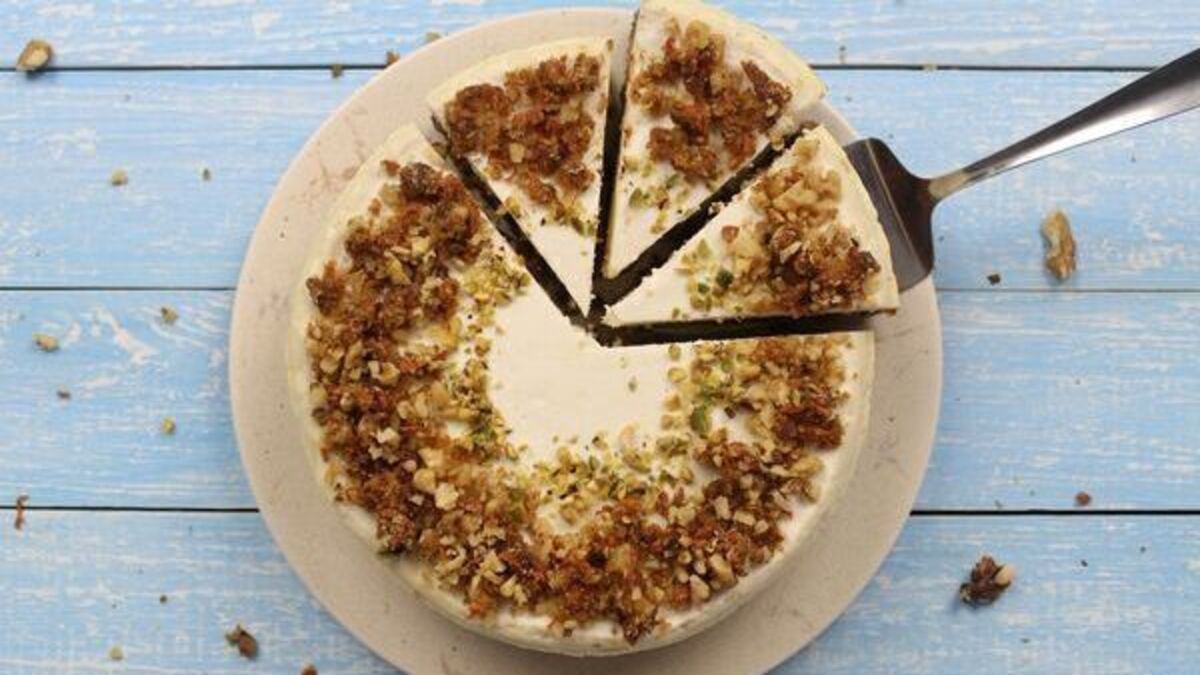
Baked rum and raisin cheesecake
A buttery, dark chocolate digestive base is topped with a creamy filling, dark rum-soaked raisins and plenty of chopped nuts to decorate
Servings
12Preparation Time
15 minsCooking Time
50 minsTotal Time
1 hours 5 minsCourse
BakingIngredients
For the raisins:
150g raisins
90ml dark rum
For the base:
120g dark chocolate digestive biscuits, crushed
80g digestive biscuits, crushed
80g butter, melted
½ tbsp golden caster sugar
melted butter, for brushing
For the topping:
900g cream cheese
3 tbsp plain flour
220g golden caster sugar
3 eggs and 1 extra yolk
200ml sour cream
To decorate:
100g mixed nuts, roasted and chopped
20g digestive biscuits, crushed
Method
Soak the raisins in the rum for at least an hour until they are soft and puffed up.
Line a 9 inch spring form cake tin and preheat your oven to 170°C.
Stir the chocolate and regular digestive biscuits with the melted butter and sugar and press into the base of the tin. Bake for ten minutes then remove and set aside. Once it has cooled brush the inside of the tin with melted butter.
Whisk the cream cheese with the flour, caster sugar and eggs. Add in the sour cream and once combined stir in the rum and raisins. Scoop the mixture into the tin and smooth out the top.
Turn up the oven to 200°C and bake your cheesecake for ten minutes. Reduce the temperature to 90°C and continue baking for a further 30 minutes, depending on your oven. The top should be almost solid with a very slight wobble in the centre. Allow to cool in the tin then gently remove.
Mix the roasted nuts and biscuits together and sprinkle them around the top of the cake before serving.
Pavlova with salted caramel sauce
Add some festive spirit to your caramel sauce by adding rum, brandy or whiskey to add a flavour of depth to this light, airy and smooth pavlova

Servings
8Preparation Time
30 minsCooking Time
1 hours 30 minsTotal Time
2 hours 0 minsCourse
BakingCuisine
AustralianIngredients
6 egg whites, at room temperature
1 tsp salt
310g caster sugar
2 tsp cornflour
2 tsp white malt vinegar
For the salted caramel sauce:
250g caster sugar
4 tbsp water
140ml cream
½ tsp sea salt
50g butter
To serve:
flaked almonds and chopped hazelnuts
Method
Preheat the oven to 130°C.
Put egg whites and salt into a very clean mixing bowl. Whisk lightly until the colour begins to change.
Add half the caster sugar and whisk until stiff. Turn the speed on the mixer down and add the rest of the sugar a tablespoon at a time.
Add cornflour and beat, add vinegar and beat.
Cut three squares of parchment for your three baking trays and cut each piece of paper in two. Lightly grease. Scoop mixture on to parchment and make an indentation in the centre and swirl the edges.
Cook in a heated oven for 15 minutes at 130°C. Then reduce the heat to 120°C. Cook for 1½-2 hours. Watch carefully so it does not get too brown (if you have a glass door) but do not open the oven.
When the meringue is done it should slide off the baking tray onto a plate. You can then pull the paper gently out from underneath on both sides. Because it is cut in two it should pull away easier.
To make the sauce, put the caster sugar and water into a large heavy saucepan, stir and allow the sugar to melt. Turn up the heat and allow it to bubble until it turns golden. Stir in the cream, butter and salt.
Fill between each layer of meringue with cream and drizzle with the caramel sauce. I also add a selection of toasted almonds and hazelnuts to add a bit of bite and their bitter note counteracts some of the sweetness.
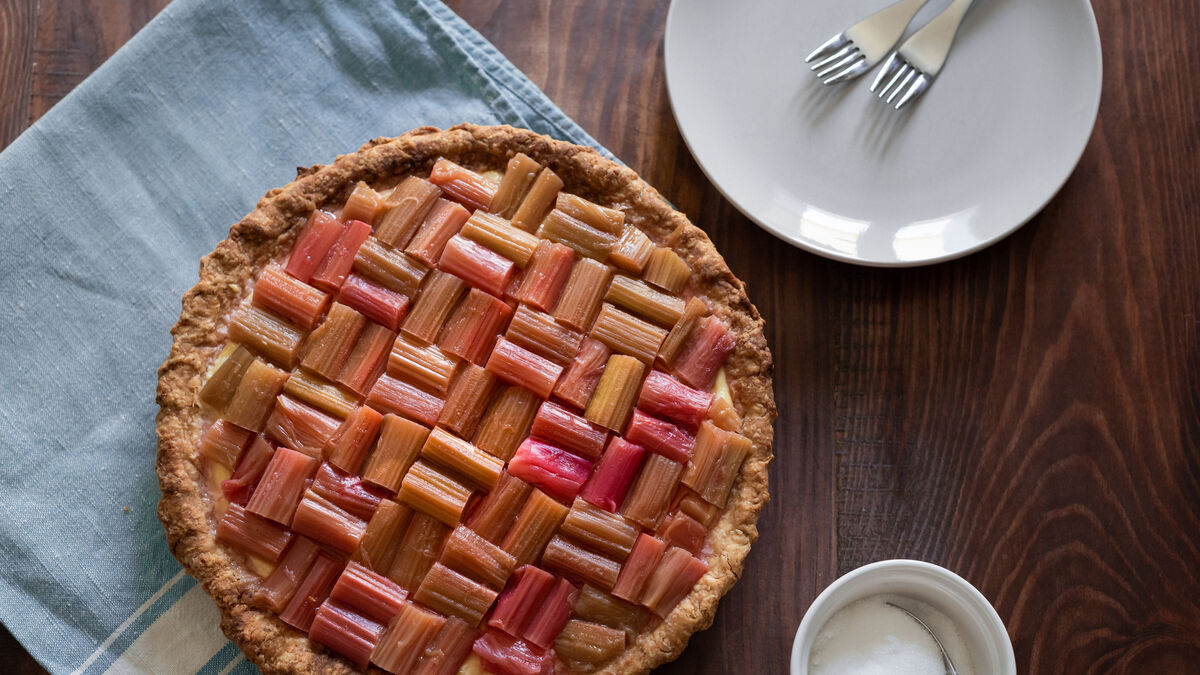
Rhubarb and mascarpone tart
As beautiful as it is delicious, this tart is always well received.
Servings
12Preparation Time
1 hours 10 minsCooking Time
30 minsTotal Time
1 hours 40 minsCourse
BakingIngredients
For the pastry:
225g flour
140g cold butter, cut into cubes
55g caster sugar
1 egg, lightly beaten and an extra egg white
For the topping:
600g thin rhubarb stalks, trimmed
40g golden caster sugar
the zest of an orange and 1 tbs of juice
For the filling:
300g mascarpone
1 tsp vanilla
1 tbsp honey
200ml cream, whipped
Method
To make the pastry: rub the cold butter into the flour until it looks like rough breadcrumbs — try not to over mix.
Stir the sugar into the egg, mix it lightly until it begins to dissolve. Add this to the flour mixture with a fork. Bring everything together with your hands then wrap it in parchment and rest the pastry in the fridge for at least an hour or overnight if you wish.
Preheat your oven to 180°C and grease and flour a 7-inch tart tin.
Roll the pastry into a disc about 3mm thick, it should be larger than your tin. Gently lower it into the tin and allow it to fall into place. Leave a little over the edge: you can tidy this up when you pinch the top of the tart before baking. Place into the freezer or fridge to firm up before baking it blind.
Cut a sheet of parchment to fit the pastry case.
Place the parchment into the pastry and fill it with baking beans. Pinch the sides so it fits snugly around the edge of the tin. Bake blind for 20 minutes. Remove the baking beans and parchment and brush the pastry with some egg white. Place back into the oven for another five minutes without any parchment or beans on top until golden, then set it aside to cool completely.
Place all of the ingredients for the rhubarb into a heavy-based saucepan over a low heat and bring to a simmer. Simmer for about five minutes until the rhubarb has softened but still holds a bite. Allow to cool completely.
To make the filling: whip the mascarpone with the vanilla and honey then fold in the cream. Spread this over the cold pastry base. Drain the rhubarb from the juice — this can be used as a cordial. Decorate the tart with the stewed rhubarb before serving.
Nude chocolate layer cake
This nude celebration cake is perfect for after dinner

Servings
10Preparation Time
40 minsCooking Time
1 hours 20 minsTotal Time
2 hours 0 minsCourse
BakingIngredients
For the cake:
400g butter
400g dark chocolate, broken into small pieces
40ml strong coffee
80ml brandy
150mls of buttermilk
6 eggs
½ tsp bread soda
170g plain flour
170g self-raising flour
370g brown sugar
350g caster sugar
50g cocoa powder
For the icing:
50g soft butter
170g icing sugar
150g mascarpone cheese
To decorate:
50g cream
40g dark chocolate, broken into small even size pieces
a few stems of red currants
some cherries on the stalks
shavings of dark chocolate, you can make these with a potato peeler
Method
- Heat your oven to 160°C and line two 8-inch round loose bottom or springform tins with parchment.
Melt the butter, chocolate, brandy and coffee over a low heat and add 130mls of water.
Beat the buttermilk with the eggs and bread soda.
Mix the flours, sugars and cocoa powder.
Mix everything together and divide the mixture between the two prepared tins.
Bake for one hour and twenty minutes or until a skewer comes out clean. Allow to cool in the tin for about twenty minutes then gently turn out onto a wire rack.
Beat the butter and sugar for the icing until smooth and stir in the mascarpone until combined.
To make the ganache heat the cream until shivering, take it off the heat and stir in the chocolate pieces until they have melted. Set it aside to cool but so that it still can just about flow.
Slice each cake into two discs, neaten them up if needed. The cakes may have risen slightly in the centre, you can gently cut this dome off. It also works best if you place the cakes upside down, that way the top has a nice smooth surface and a sharper edge. Spread a layer of icing on the top of each disc. You can place supports into the cake to make sure it stands up well. Place each disc on top of the other with the supports through the centre. Pallet a thin layer of the icing around the side. Smooth it out with a scraper until you can see the “nude” cake below. Place into the fridge to firm up the icing.
Pour a thin layer of the cooled ganache over the top and gentle spread it until a drip or two starts to go over the edge. You just need to nudge it as it will continue to flow. Place the fruit and chocolate shavings on top.
For more Easter recipes check out our Easter Food Collection on iefood