Waste not, want not: making a green difference with your food habits
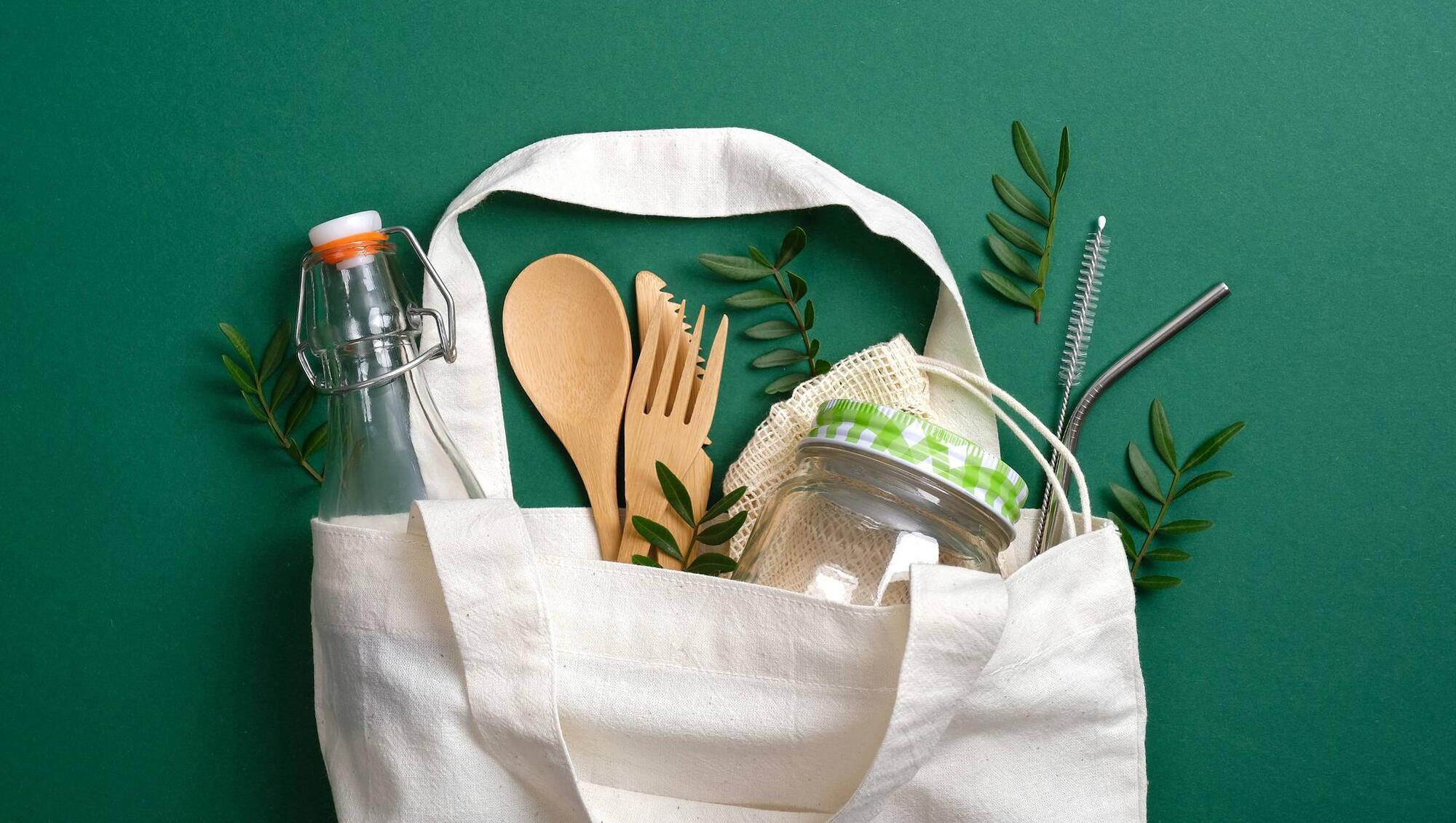
As climate change continues, it's down to each of us to mitigate its effects with our choices.
Denial is no longer the main obstacle to tackling climate change for it is only a minority — the dodos, and the deeply disillusioned — still clinging to that canard. No, the real problem is an overwhelming sense of fatalism, that there is nothing we, ordinary people, can do to make a difference.
It’s supposed to be the role of our political leaders to implement policies that will bring about the required change but politics and its practitioners are generally something dangling at the end of strings manipulated by business and industry, a sector inherently allergic to anything that negatively impacts on the balance-sheet, and will need to be dragged by the ear, kicking and screaming, to the naughty corner to effect change in that quarter.
But rather than waiting for that to happen, we need to realise that if we’re not part of the solution, we’re part of the problem. And we can do something. We can do lots of things, little things, little acts. We can establish new daily habits and routines and the kitchen is a great place to begin because what happens in kitchens all around the world adds up to a hefty chunk of the problem.
Our current model of consumption — shopping and eating — drives the deeply unsustainable impact of the industrialised agriculture and food systems, particularly the colossal amount of
energy expended on production, processing, packaging, and transportation.
If food waste were a country, it would earn third place on the podium, only behind the US and China, as the third largest emitter of greenhouse gases: some 3.3 billion tonnes of CO2 emissions per annum.
The amount of global food waste each year, estimated at 1.3bn tonnes, would provide substantially more than a tonne of food for each one of the estimated 900m people around the world who go hungry every day.
Even if your own wastage is tiny, it means you are part of the problem. Changing your habits makes you part of the solution and will slowly effect a more profound change on your thinking about waste in all areas of your life.
Action is empowering but it requires change by us all, as individuals, as nations, as a planet. And, yes, change is very hard. It takes us out of our comfort zones and we are very fond of those.
The most effective change usually begins with tiny actions that eventually add up to something much bigger. And there is a byproduct to effecting this change: Hope. And right now humanity is sorely in need of hope.
Plan meals for the week ahead, make a shopping list and stick to it. Personally, I find it boring but it does make life easier, and works, in terms of sticking to budget and cutting down on food waste.
When I worked as a chef, daily and weekly menu planning, advance ordering were fundamental pre-requisites of the job, as vital as cooking skills. It is a good model to emulate in the home.
A single trolley-dash through the supermarket to fill the trolley once a week is convenient and time-saving but the benefits end there.
My shopping system places the supermarket at the bottom of the pile, ensuring better and healthier eating, less food waste, and, in addition, an improvement to mental wellbeing and a greater contribution to the local communities we live in, particularly, if you shop in a foreign-owned multiple. (London’s New Economics Foundation states that “every €10 spent at a local food business is worth €25 for the local area, compared with just €14 when the same amount is spent in a supermarket, generating twice as much income for the local economy”.)
Top of the pile is the farmers’ market, buying directly from primary producers: Meat, fish, vegetables, fruit, dairy, and cheese. Stallholders become our friends and shopping becomes social; try chatting to automated weighing stations in the supermarket!
Next, specialist retailers: Craft butchers, fishmongers, independent retailers: produce is invariably better, superior knowledge of provenance always available and again, the social interaction is very often a joy.
CSAs (community-supported agriculture schemes) allow you to join a group of buyers who all pay a fixed amount at the start of the growing season to a grower in exchange for a weekly delivery of fresh, local, often chemical-free produce throughout the season, with no wasteful packaging. Also, seek out weekly box schemes near your own home or form a group of likeminded souls and persuade a local producer that it’s worth their while to start one. My weekly box scheme delivery from Food For Humans is tremendous value for superb and delicious produce.
Also I source most dried goods (grains, pulses, pastas, spices, salt, flour, sugar) by bulk, buying as part of a buyers’ co-op or from refill shops (see below). Buying once every two or three months more than compensates for time ‘lost’ by not using the supermarket.
Finally, use supermarkets for all other items but, as they generate the most packaging waste, consider every single purchase carefully and badger your local one to make changes for the better.
There can often be an even higher tariff to pay for the energy and materials expended in producing and then disposing of packaging in which so much of our food stuff arrives. The recycling bin isn’t sufficient; it still takes huge energy to power the recycling process.
I have a policy in our house of re-using every plastic container at least once, cleaning and storing it for second use. The additional clutter annoys the hell out of my wife and is a futile gesture in the grand scheme of things, but serves to remind me and others in the household that we are far better off not buying any pre-packaged food products at all.
One of the great ways to avoid doing so is to shop in refill shops or to buy in bulk. Recent years have seen the return of refill shops: the likes of Leafling Mercantile in Ballinspittle; Organico in Bantry; Twig Refill in Clonakilty; Earthway in Midleton; and the newly opened Cork Rooftop Farm shop, on the Coal Quay, which also sells its own fresh zero carbon miles produce.
Number one: Compost raw waste from the kitchen, sign up to a waste collection service that takes your cooked food waste, or better still, get a sealed vermin-proof composter. Whatever you do, compost waste food that can’t be reused in any other way.
Mine the internet for myriad brilliant tips for creative use of food waste and by-products.
Check out the truly superb FoodCloud’s new six-part online series All Taste, Zero Waste, a show pitching celebrity chefs against charity chefs, battling it out to help the planet, as part of a campaign to drive awareness of the climate issue of food waste.
In each episode, the chefs create delicious dishes using surplus food generously donated by food industry partners, sharing hints and tips on how to reduce our food waste, and hearing stories of the positive impact redirected food waste can have on communities all over Ireland.
There are few things better than growing your own food. It changes your attitude entirely and provides serious nutrition and flavour from just outside the kitchen door, fresh, local, seasonal produce with zero carbon miles.
A hypothetical experiment: Purchase carrot seed, prepare the ground, sow the seed, nurture young seedlings into plants, and harvest — and then throw them all in the bin!
I say ‘hypothetical’ because nobody capable of nurturing a plant from seed to plate could actually do it. Yet, too often we buy carrots or other fresh produce, bury them in the back of the fridge, and weeks later throw the entire soggy, rotten mass straight in the bin without a second thought. Growing your own food teaches the real value of food and how sinful it is to so casually waste it.
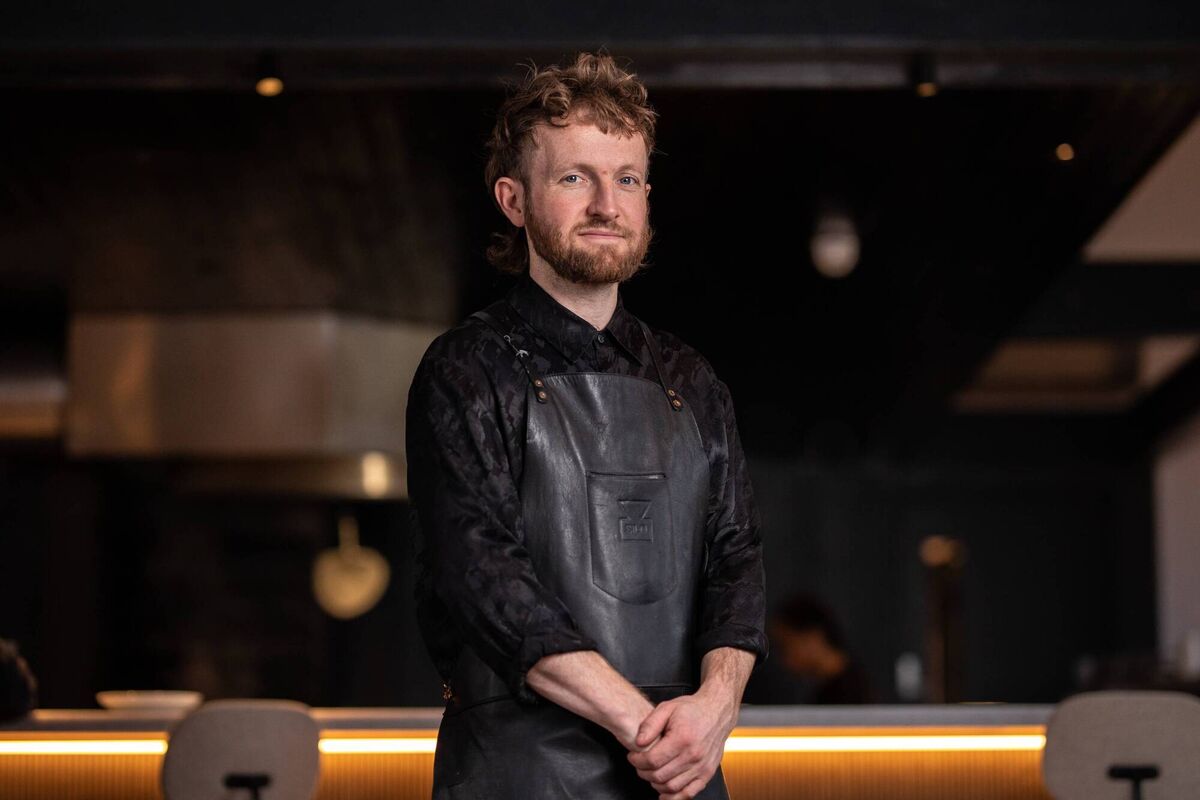
Doug McMaster is the chef/proprietor of the award-winning Silo restaurant in London, the world’s first zero-waste restaurant and author of one of the most important food books in recent years, Silo: The Zero Waste Blueprint.
“In Silo, I’m an absolute fanatic about zero food waste,” says Doug, “but it is very hard to do the same thing at home — there are times when I’d like a cup of tea with a drop of milk. In Silo, I can buy milk directly from the farmer in large containers that we can re-use; at home I have to buy a plastic container of milk. Essentially what you need is a whole system change, so that means the whole supply chain is a different one. It works in a restaurant because we order and process a larger quantity of food and that is the business. At home it is impossible for most people to have a direct supply chain with farmers and other producers so the system change required is a lot more complex.
“To have zero waste in a domestic kitchen, you need business and the food processing and retail sector coming on line and sharing those same values and commitments.”
By making our own small changes, we can inspire others but we need to do more again and agitate for change in the system.
We need to tell our politicians to do what they have been avoiding to date and implement real change: Taxing industrial food packaging; encouraging bottle return systems; and creating domestic waste recycling industries that deal with our own waste and create jobs.
We need to push back on extreme, often ridiculous legislation of recent years around feeding waste to animals: Once upon a time, most restaurants had a pig bucket, collected weekly by a local farmer.
The UN says that if farmers and livestock owners fed their animals on legally permissible food waste, enough grain would be liberated to feed an extra 3bn people worldwide.

CLIMATE & SUSTAINABILITY HUB