The Munchies: The cookbooks and food market that Joe McNamee rates most this year
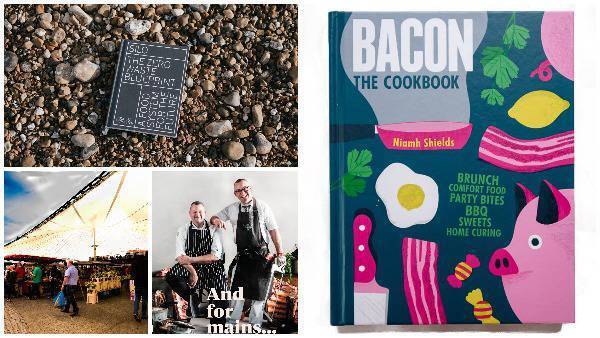
The Munchies chooses the top food books and food market of the year.
Niamh ‘Eat Like a Girl’ Shields’ utterly joyous ( EatLikeAGirl.com) is a porcine paean to the pleasures of eating porky products, a multiplicity of inventive bacon-centric recipes, beginning with Brunch (her commendably civilised preference to early rising asceticism of breakfast) that includes Bacon Bloody Mary, followed by Bacon Bites, Feelgood Comfort Food, Feeding Friends and Bacon BBQ. Even brief cameos from other proteins, beef, chicken and fish, see bacon playing a crucial role. Salty meets sugar in Bacon is Sweet, as Candied Bacon Fudge is followed by a deliciously sinful array of salty-sweet treats pairing bacon with chocolate, toffee, ice cream, caramel popcorn, and even marshmallows. It concludes with a home curing primer and a Bacon ‘pantry’, homemade standbys to bacon-ify any meal, including bacon jam, the condiment that began Shields’ porky passion, she firmly believing everything improves with bacon.
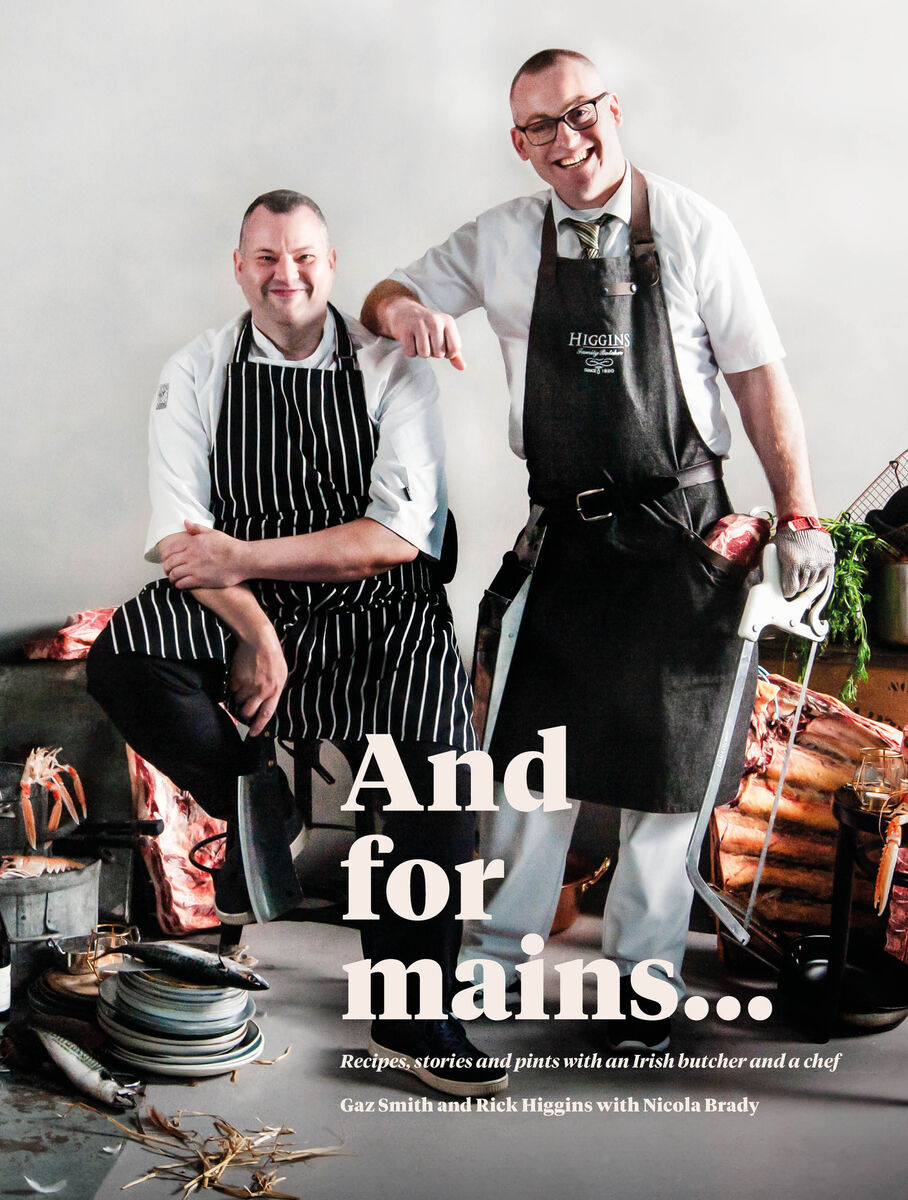
(Nine Bean Rows) by chef Gaz Smith and butcher Rick Higgins, arrived as the year was calling last orders, a most welcome latecomer indeed. This riotous compendium of deeply flavoursome meat feasts and superb seafood is wholly concerned with cooking comforting food of great taste and texture, designed for sybaritic indulgence. Smith and Higgins’ culinary collaborations are unabashedly fuelled by sessions on the stout, and writer Nicola Brady perfectly captures their boisterous culinary camaraderie. Meanwhile, photographer Katie Quinn excels, her brooding, often primal images, just shy of actually being edible. It is also a cracking debut imprint as well for Nine Bean Rows, a new Irish food and cookbook publishing house that The Menu fancies will have an enormous impact in years to come.
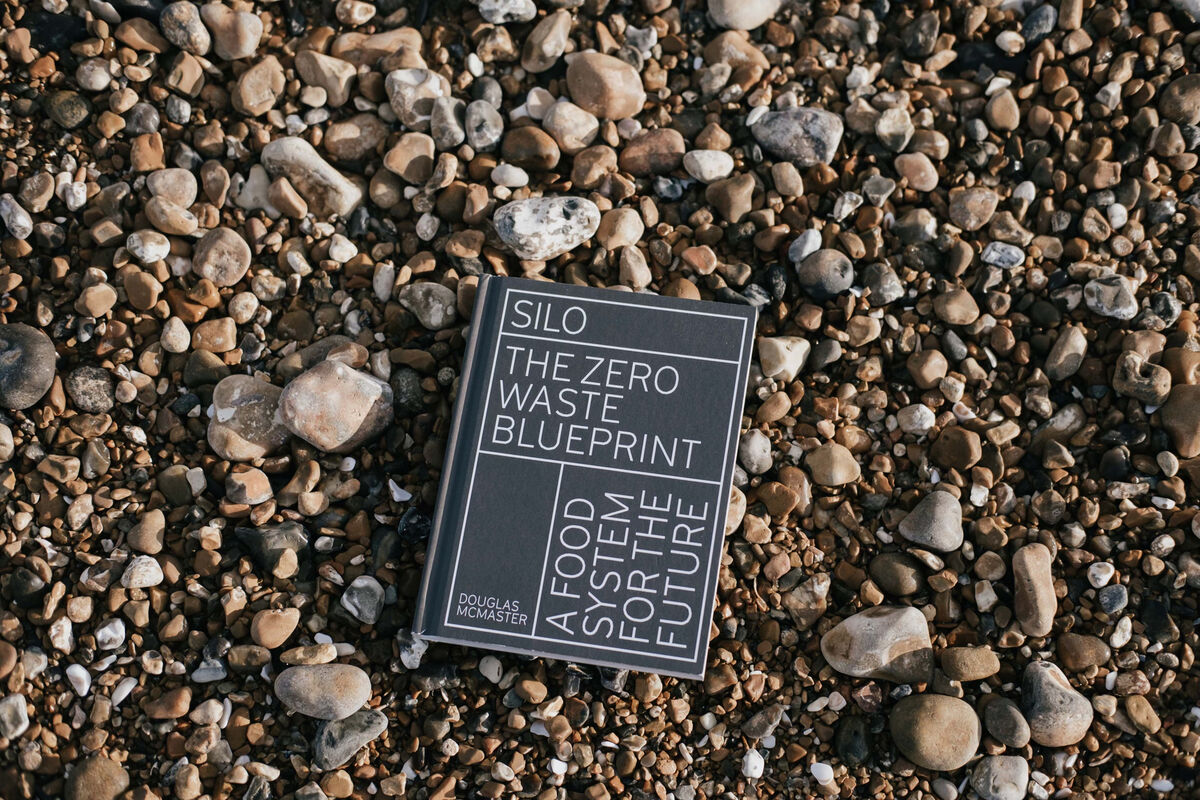
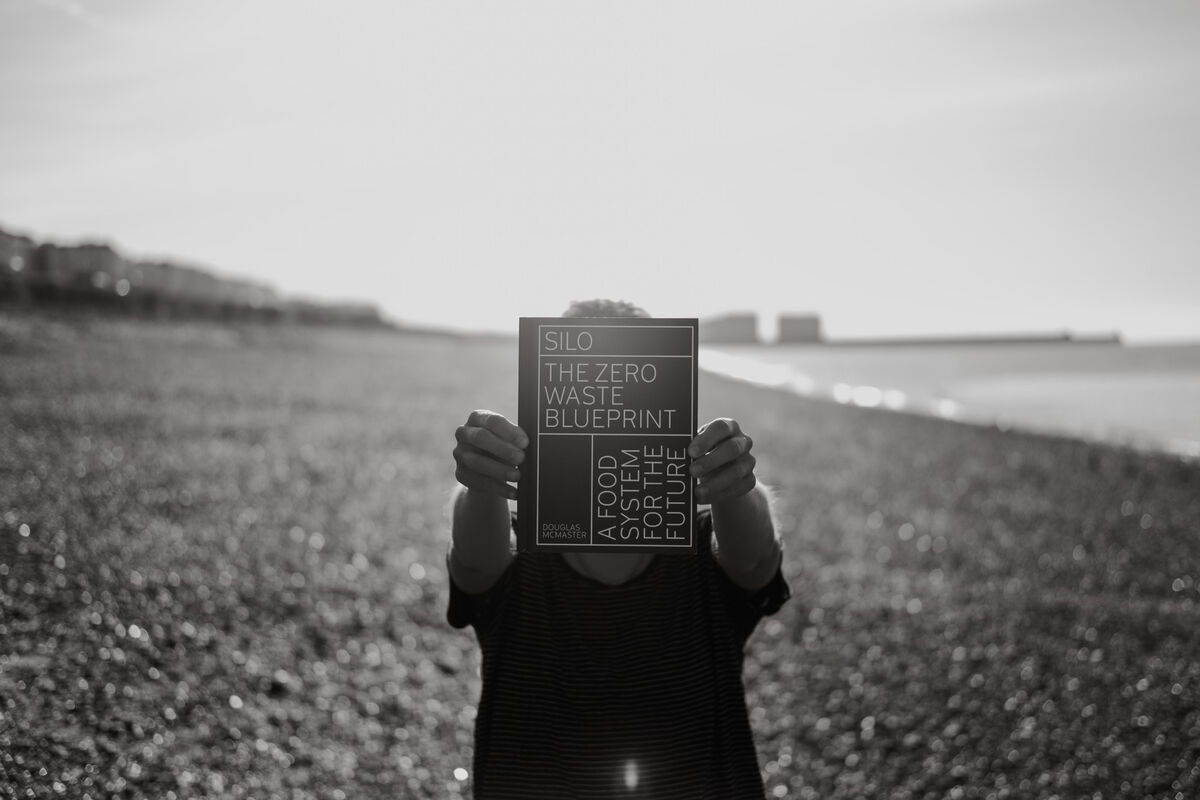
(Leaping Hare Press) by chef Douglas McMaster, didn’t get the attention it truly deserved as the pandemic first transfixed the globe, but The Menu believes this is a ‘cookbook’ of the decade, not just a single year, too important to pass unheralded. McMaster is a former BBC Young Chef of the Year who went on to work in world-class restaurants before experiencing a Damascene conversion and launching Silo, the world’s first zero-waste restaurant in 2014, in Brighton, England, a hugely acclaimed, award-winning restaurant since relocated to London in 2019, and has just been awarded Time Out London’s Sustainable Venue of the Year award for 2021.
The template of the Silo food system is to achieve zero waste; from food, cleaning products, transportation, and storage packaging and containers. This includes glass which Silo has devised a method of recycling into ‘glass porcelain’, a stable emulsion to be then be re-cast as a new product such as plates for the restaurant.
The entirety of a food product is used; flesh, skin, offal and roe of seafood; roots, bulbs, leaves, flesh, stem, flowers and seeds of wild and cultivated fruits, plants and vegetables; and blood, bones, skin, flesh, and offal of animals. All is eaten in season, including seafood and fish not caught by industrial fishing processes and livestock only from natural ‘clean’ farming systems of production, or game sourced from re-wilded habitats. The Silo culinary calendar only introduces meat to the menu in July, switching from — sparingly used — fish, serving fresh cuts and allowing the rest to age for the following month. Foraging, pickling and preserving are also essential.
How does that translate on the plate? Well, for example, rather than use industrially farmed milk and eggs to make ice cream, roasted potato skins become an ice cream tasting of salted caramel.
Recipes are from a year-long, monthly changing menu of wildly innovative yet delicious dishes, perhaps best suited to the professional chef, or gifted amateur able to join the dots in a minimalist delivery often presuming a certain level of knowledge.
But what allows Silo: The Zero Waste Blueprint to transcend the realms of mere ‘cookbook’ is that it offers a blueprint for an entire hospitality food system producing zero waste, a fundamentally changed system that emulates the closed zero waste cycles of nature.
Humankind is facing its greatest existential crisis, climate change, and reducing or eliminating food waste (including all energy expended on production, transportation and waste disposal) is a crucial part of any global survival strategy. In the not too distant future, the hospitality sector will HAVE to operate according to such a blueprint and this should be standard reading for all chefs, from young trainees to seasoned professionals.
No fluffy headed idealist, McMaster recognises from experience the extreme difficulty of practising what he preaches but the alternative is worse and he believes ultimate solutions must derive from finer human qualities, particularly, intuition — ‘the opposite of industrial thinking,’ — and creativity — ‘harmonious with intuition.’ As he says, ‘creativity alone will not answer the world’s problems, [but it is] our best chance for ecological redemption.’
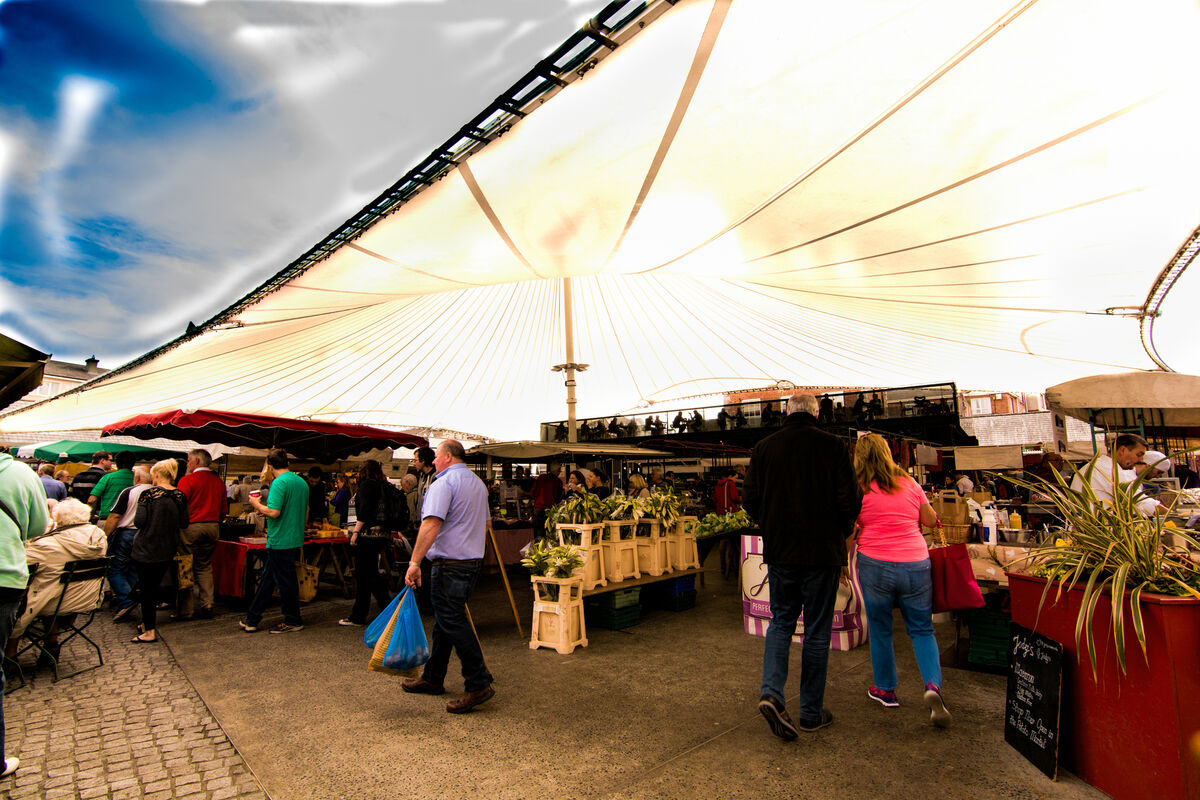
: A recent lightning raid on Limerick, confirmed the pandemic has, if anything, further enhanced the jewel in the city’s culinary crown, further concentrating the focus of the Milk Market’s Saturday farmers’ market on primary producers and food stallholders, in the most breathtakingly beautiful farmers’ market location in the country.
The cornucopia of prime produce is quite extraordinary: Irish farmhouse cheeses, locally baked breads and sourdoughs, confectionery and cakes, fruit and vegetables, fresh fish, organic meats, speciality foods, including the superb output of On The Wild Side’s Olivier Beaujouan, probably the best charcutier in the country, and Ballyhoura Mushrooms.
This is supplemented by hot food, arts and crafts stalls, and ring-fenced by permanent operations housed in units that form the market’s perimeter. Special mention must be made of the excellent Irish and imported deli offering in Country Choice, where the gardaí had to be called to protect The Menu and his wallet from himself. The Milk Market’s only flaw? That it is not open seven days a week.