Wine with Leslie: Get turned on to Sauternes and other sweet wines
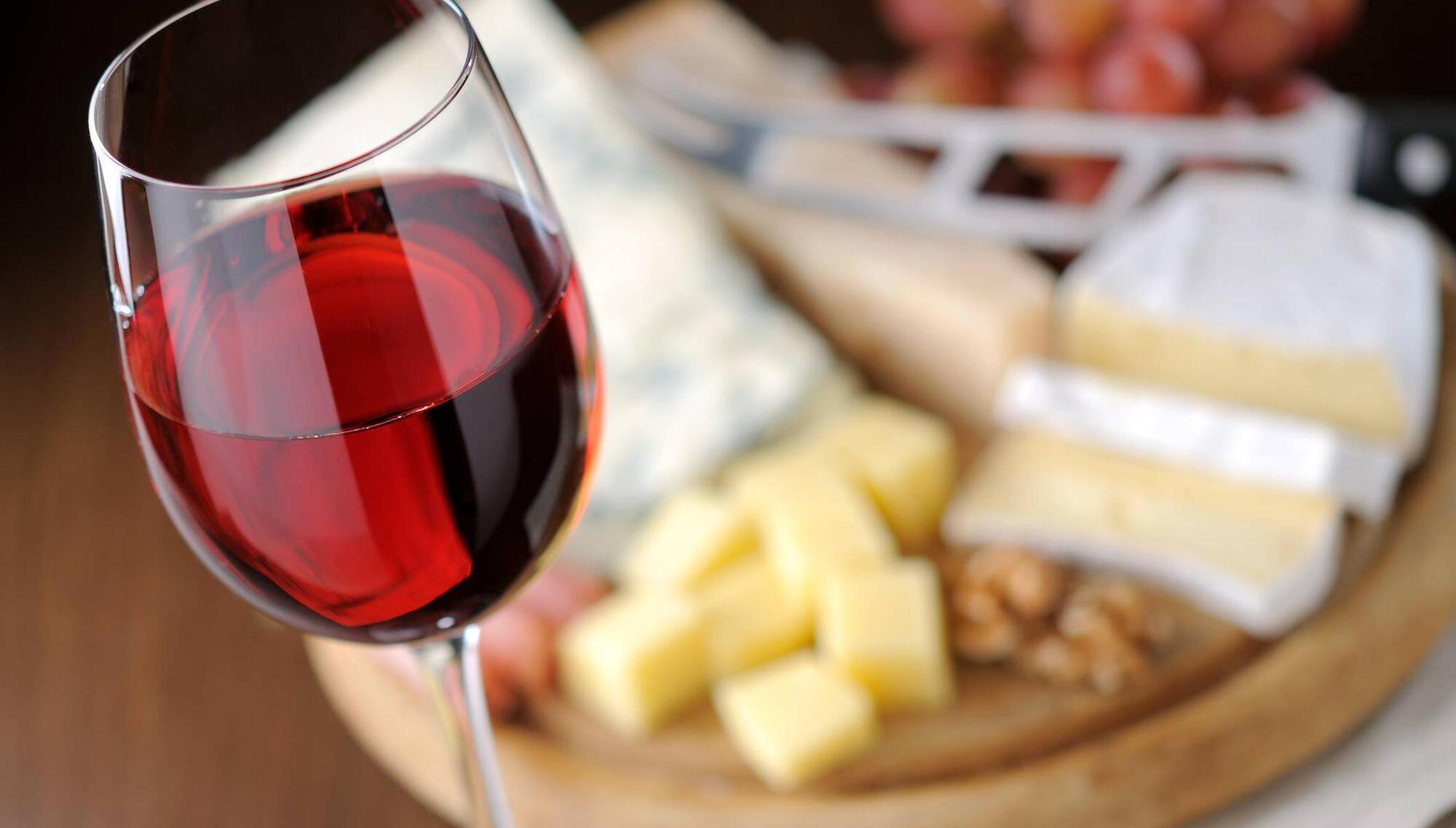
Sweet wine: works beautifully with dessert or cheese — or sipped on its own
Why do so many of us turn our noses up at sweet wines? You may not want one with your roast beef or pizza, but why not with dessert or cheese, or simply sipped on its own? Dessert wines often represent the best price-quality ratio in the wine world: they can age for decades, at this time of year their prices are lowest, and, remember, the good ones balance sweetness with acidity and freshness.
Almost all the ancient literature that mentions wine comments positively on sweeter styles, and sweet wines such as Sauternes, Hungary’s Tokaji, South Africa’s Constantia, and Vintage Port were once prized by kings and connoisseurs worldwide.
Mrs Jennings in recommends Constantia to mend a broken heart and Tokaji was the world’s most expensive wine for several hundred years until the Communists made a mess of things in the mid-20thcentury by merging vineyards, ripping up old vines and focusing on mass production. I don’t have a Tokaji to recommend this week but if you have the cash and spot a 5 or 6 puttonyos Tokaji from a producer like Oremus, Disznókó, Château Dereszla or Royal Tokaji company, snap it up. [puttonyos is a unit for the level of sugar in Hungarian Tokaji (or tokay) and Slovak Tokaj dessert wine]
Like many of the world’s best wines, Tokaji is often affected by a fungus called Botrytis Cinerea which dries out the grapes and increases honey flavours (sometimes with a hint of smoke and rot). In Sauternes and Barsac the Autumn mists rise from the Rivers Garonne and Ciron and settle on the grapes — ideally the midday sun burns this off and causes ‘noble rot’. In red grapes it’s a disaster and called ‘grey rot’. I do have a Sauternes here from a discount supermarket and it is not half bad, plus one from nearby Saint-Croix-du-Mont. If these whet your appetite do seek out the wines of Châteaux such as Suduiraut, Coutet, Rieussec, Climens and Giraud — all of which should cost more than they do given their tiny production.
When I first got interested in wine in the 1990s a bottle of the best vintage Port cost much the same as a 1st Growth Bordeaux like Château Margaux, now the latter is eight or 10 times the price. Good independent wine shops and the better supermarkets often have Vintage or Single Quinta Vintage port at €40-50 or even less. Sweet sherry can be equally delicious and look too to Australia, New Zealand, Germany, Austria, and even Spain. Take a risk, I promise you won’t regret it.

Australia produces some excellent dessert wines and they are worth seeking out (e.g. DeBortoli Noble 1 and Rutherglen Muscat). Longview is a family-owned producer in the cool climate Adelaide Hills region and this 375ml bottle is reduced from €17 for December so is a total bargain. Lemon-honey and yellow peach aromas with more peach and honey on the palate but with zingy crisp fresh acidity on the finish.

Sauternes is by far the most famed of all dessert wines so it is rare to find a full bottle at such a low price. Yes, this is on the lighter side of what Sauternes usually produce, but the aromas of honey and candied lemon are spot on, as are the creamy sweet lemon and acacia honey flavours with perhaps a lighter zing of acidity on the finish.

Sainte-Croix-du-Mont is Located on the right bank of the Garonne River and affected by the same misty mornings as Sauternes and Barsac on the opposite side. Light gold hue, candied orange and lemon aromas with floral, honey and stone fruit notes, luscious and textured with sweet tropical fruits — but with a clean fresh finish. For lighter fruit desserts or for sipping with a

From Malvasia grapes and aged for 10 years in old French oak casks in the traditional Madeira Canteiro Estufagem process which ages the wines oxidatively in warm rooms. This pours a bright gold with sweet citrus, light honey and almond aromas: hugely complex on the palate with lemon honey, lime and spice and a big dollop of fresh acidity giving a pristine finish

Vintage Port still represents good value when compared with other fine wines and this is a very good price given the quality. This is very much still evolving but could, just about, be drunk now older vintages cost a little more. Inky black-purple colour; violets, bramble and black fruit aromas — textured, layered and intense with textured blackberry essence and elderberry flavours.

I have featured this excellent Austrian’s producer’s Zweigelt and Grüner Veltliner here in the past but not this dessert wine. This grape is better known as Muscat à Petits Grains and is also found on Samos and in the Rhône. This has lively floral-grapey muscat aromas, orange and lime essence, peach and tropical fruit flavours — lingering and complex with balancing clean acidity. Beautifully balanced wine.

It's about time I mentioned this tasty gin made on the Skelligs Coast in Cahersiveen in West Kerry within sight of the islands themselves. Pot-stilled with 10 botanicals including the expected juniper, orris, angelica, and citrus but also four native to the area — yarrow, douglas fir pine needles, birch sap, and dillisk.
On the nose, the juniper, sap and pine needles hit first with herbal notes in the background — creamy and soft on the palate until the spice kicks in followed by the citrus and then the juniper leaving a prickly refreshing finish. Try with tonic and pink grapefruit.