Top 8: Organic and free-range eggs tested
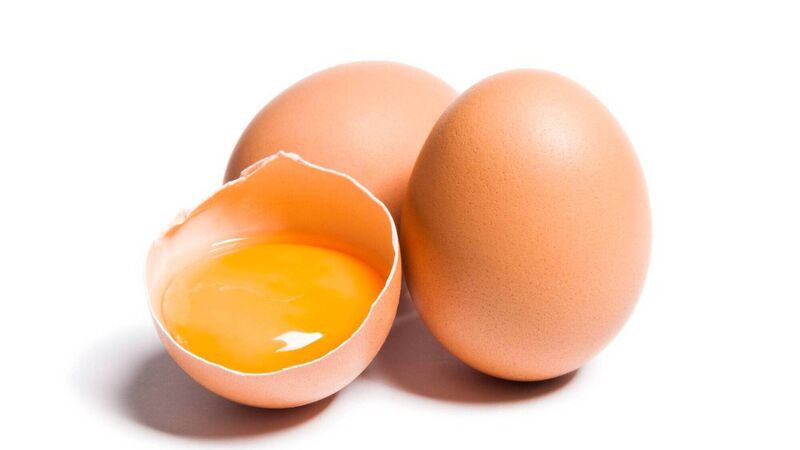
Buy eggs as far away from the use-by date as possible. Picture: iStock
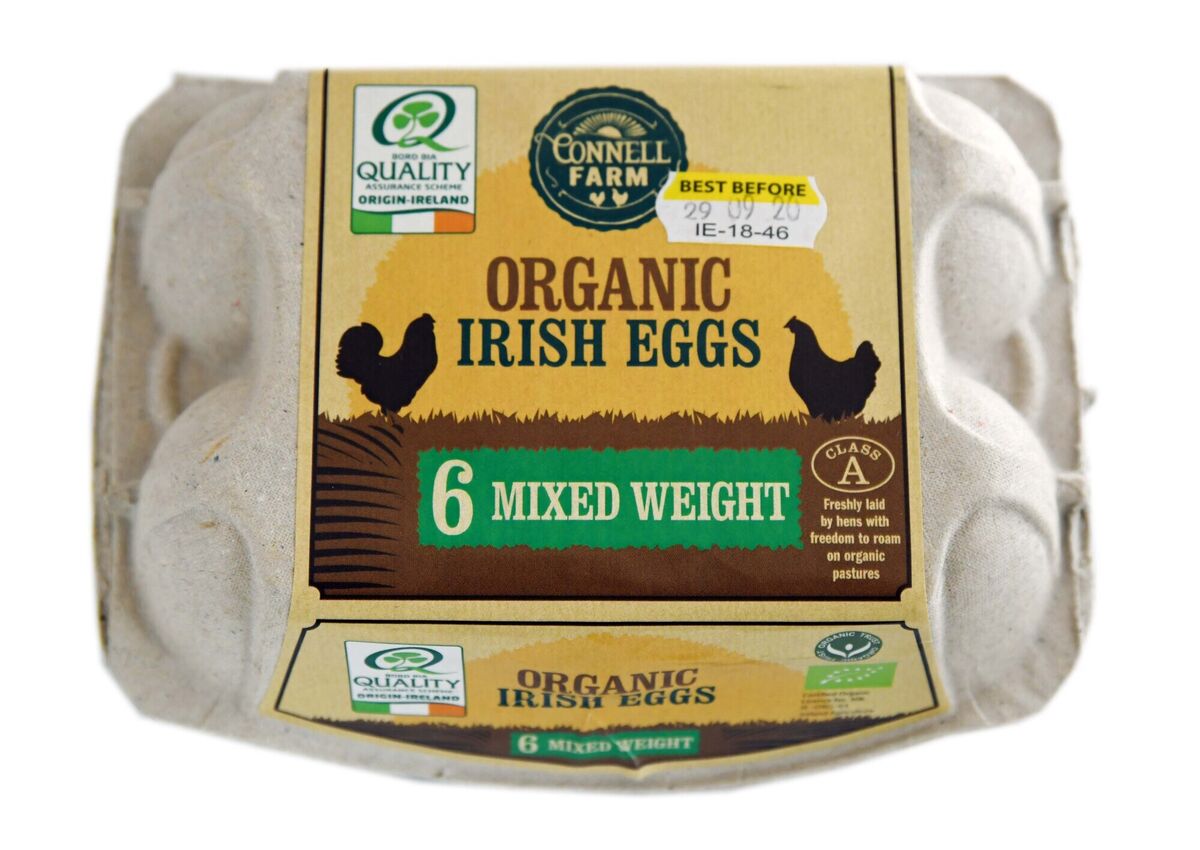
I’m often asked if there’s a difference between organic and free-range eggs. It’s a difficult question to answer. If we need to be sure we are not consuming antibiotics and additives, then it’s best to opt for organic eggs produced from hens given feed (often imported) without them. The hens are kept out of doors most of the day, but not by law.
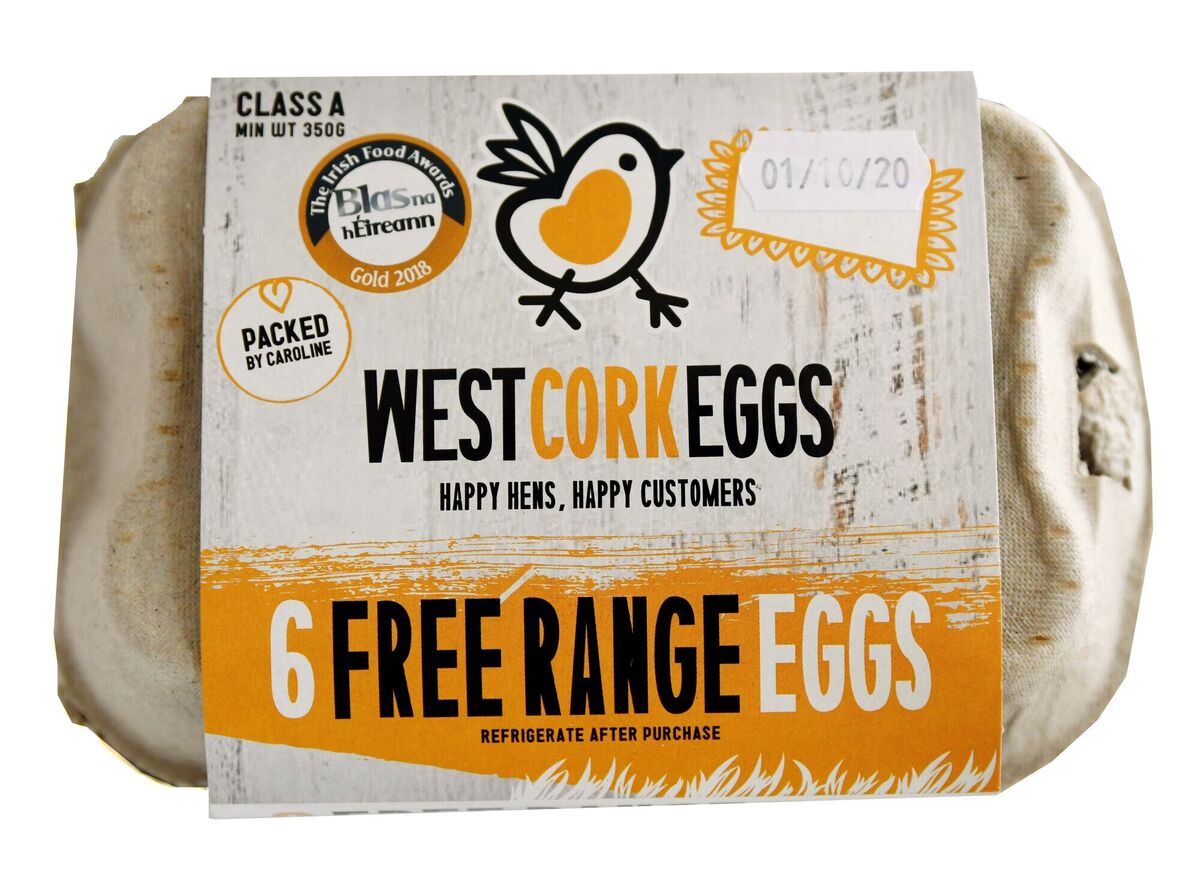
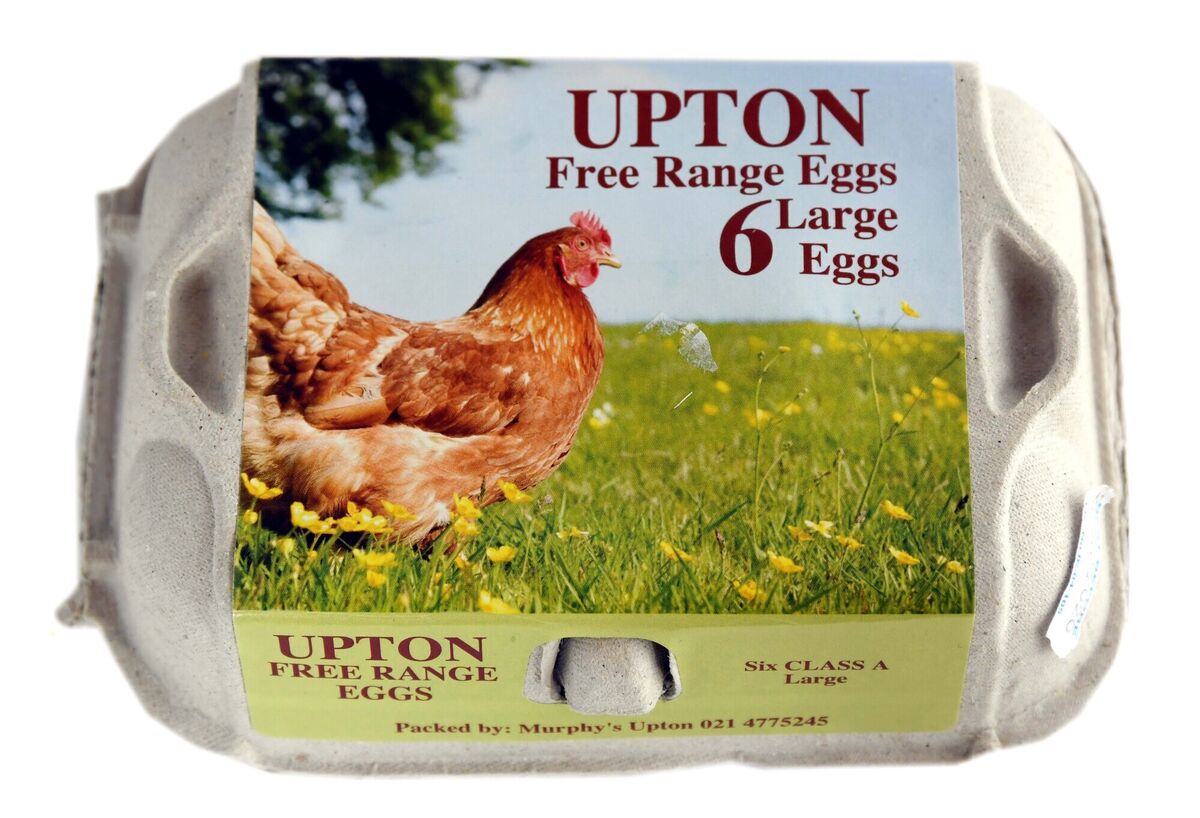
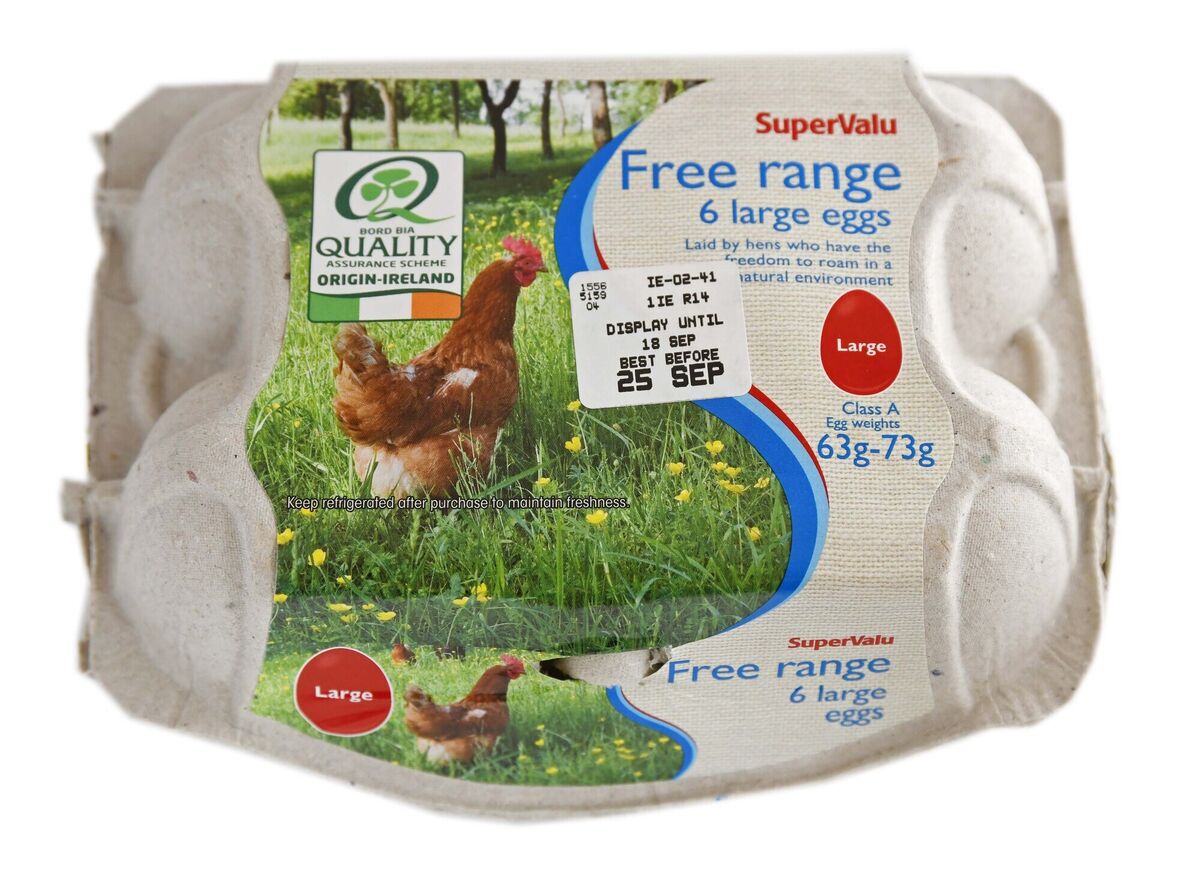
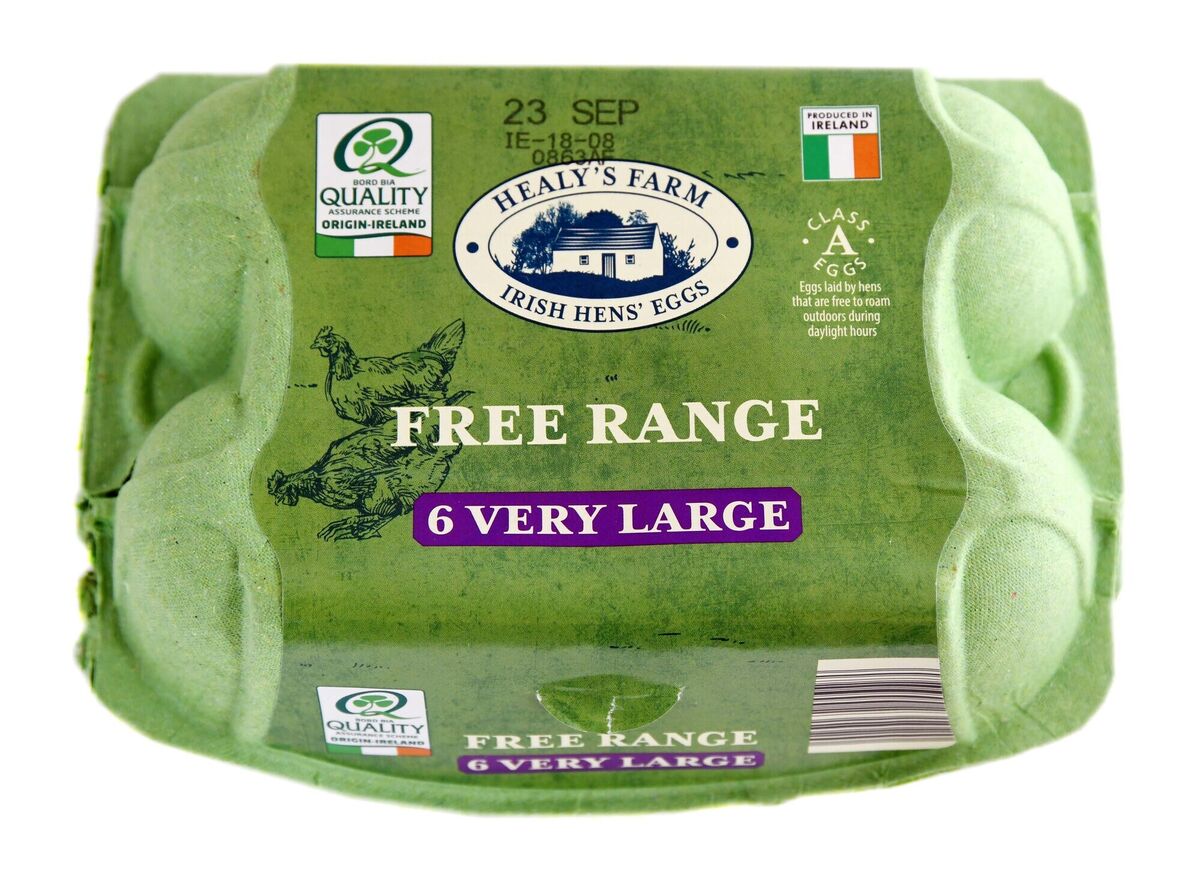
Free-range hens must be allowed to roam and are mainly fed with wheat, barley, corn, soya and minerals, usually milled in Ireland. The best farmers allow for more space in hen houses than is required, and make sure that conditions outside are attractive for hens. Pecking at grass and seeds adds to the colour of the yolk and their nutritional value. Hens like the cold and rain, but not wind or direct sunlight.
When farmers treat their flock well, they get healthy eggs, whether organic or free range. A well-rounded food, eggs have protein, healthy fats, vitamins and minerals — a perfect instant food.
Buy eggs as far away from the use-by date as possible. The viscosity of the egg white diminishes after a few weeks. It will be edible but may spread or break while frying.
At €7 for 30 eggs, O’Brien’s free-range eggs are good value. Available from machines in shopping centres, garden centres, they are handy for batch baking. We held off testing them as the hens are currently being replaced in Whitechurch and other farmers are supplying.
Read More