The Currabinny cooks: Cooking with herbs from the back garden

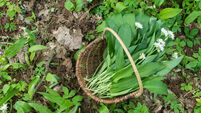
Stepping out into the garden to pick some fresh herbs, or even gathering a handful of leaves off a kitchen window plant pot, is as close to foraging as most of us get on a daily basis.
There is a simple joy to plucking something fresh, that you have grown yourself and using it to imbue flavour in whatever you are cooking.
Currently in our terraced Phibsborough house, which lacks an actual garden, we have had to be resourceful. On the steps leading up to the house we have an arrangement of various plant pots and raised bed planters.
These flank either side of a relatively narrow strip we have left for ourselves and others to actually reach the front door. When growing herbs from seeds, it is best to start them off on the kitchen window sill rather than chancing them outside. When they are big and strong enough, you can transplant them to a larger pot or patch outside.
My absolute favourite herb is maybe the most common or even boring — parsley, with its wonderfully savoury, herbaceous and bright flavour is the ultimate herb for subtly enhancing and balancing a dish. It works in a similar way to lemon juice, in that it can just make something taste that little bit better.
The two types of parsley you will usually come across are curly or flat-leaf. I tend to treat these almost like separate herbs in themselves which both have different uses in the kitchen. Curly parsley is great in a bouquet garni, its milder grassier flavour is suited more to adding a slight bitterness to a dish. Flat-leaf parsley has a more vibrant flavour profile and is great in sauces, as a garnish, mixed into salads or baked into breads or pastries.
Also on the steps, we have chives, their oniony flavour is perfect for all sorts of dishes, especially ones involving cheese. For fish, we have some Russian tarragon growing (less elegant than French tarragon but easier to grow) and a little pot of wonderful chervil. We make a wonderful mackerel pate with dulse seaweed and chervil. I have yet to grow rosemary or thyme from seed, but I have a little pot of each on the kitchen windowsill along with some basil.
For Asian dishes, coriander is essential. I have personally never understood people's aversion to it, I tend to throw it into my dishes by the fist full.
Other less common herbs we have growing include summer savoury, borage, lovage, and for sweet dishes, lemon verbena and sweet geranium. There is a huge exciting array of herbs out there which all have their own individual flavours and aromas. Herbs are more than just a seasoning or garnish, as I hope these recipes show.
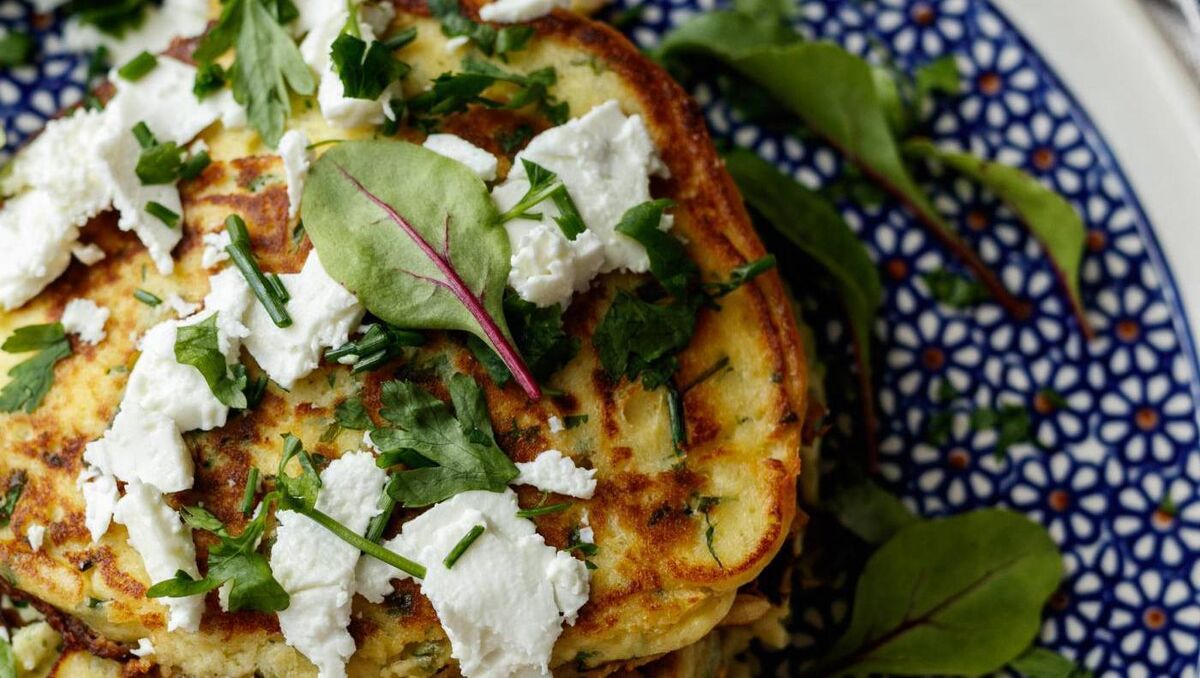
Makes 6 pancakes
3 medium eggs
250g ricotta
50g cream flour
40g butter, melted
A good handful of chopped mixed herbs (parsley, chives, chervil, tarragon, dill, fennel, thyme, marjoram)
A handful of mixed leaves, plus extra chopped herbs for garnish
100g good feta
Sea salt and cracked black pepper
A teaspoon of lemon juice (optional)
Separate the egg yolks from the whites. Put the whites in a large mixing bowl and beat vigorously (use an electric whisk) until you get stiff peaks. In a separate bowl mix together the yolks with the ricotta. Stir in the butter and flour until you have a sort of batter. Stir the herbs in along with a little seasoning and some lemon juice if you like.
In three stages, fold in the egg whites to the batter until you have a thick, foamy batter.
Heat a little oil on frying pan over medium high heat. Add a spoonful of batter to the hot pan, you can cook two or three at a time, turning over after around 3-4 minutes and cooking them for the same amount of time on the other side. The pancakes should be golden brown, slightly crispy on the outsides with a soft fluffy middle.
Serve with some lightly dressed mixed leaves scattered over along with the feta, shaved thinly over and a little chopped herbs for garnish.
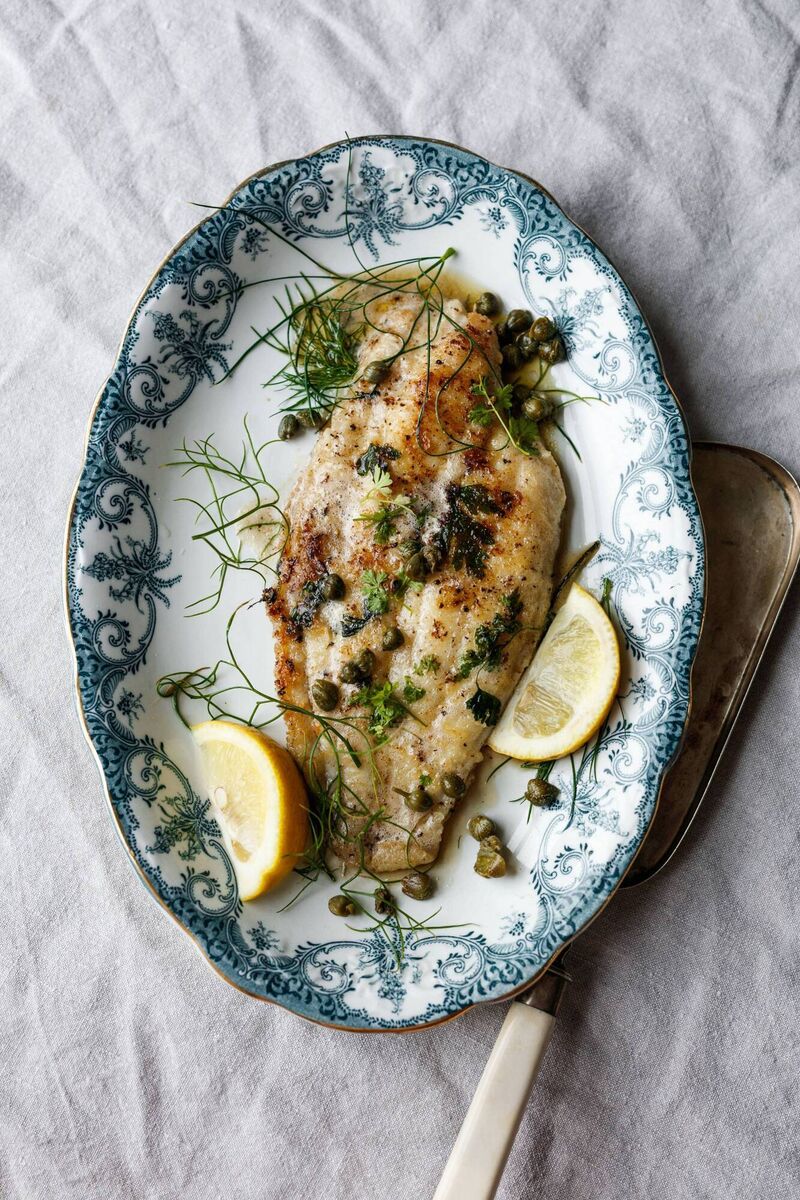
Serves 2
2 fillets of sole, skin on
3 tbsp of cream flour 2 tbsp of olive oil
100g butter
Juice of 1/2 lemon
1 heaped tbsp of capers
1 tbsp of parsley
1/2 tbsp of chervil
1/2 tbsp of tarragon
2-3 sprigs of thyme
Sea salt and black pepper
Put the flour on a flat plate and season with salt and pepper. Pat the fillets of sole with kitchen towel and then toss in the seasoned flour.
Heat the oil in a frying pan over a medium high heat. Add the fish, skin side down in the pan and cook for around 2 minutes. Flip over and cook on the other side for a further 1 or 2 minutes until starting to turn lightly golden.
Remove the fish to a warm plate. Add the butter to the pan along with the lemon juice, capers and herbs. You want the butter to start to turn brown and the capers getting crispy. Return the fish briefly to the pan, spooning over the buttery, herby pan juices and serve immediately with whatever side you like. Sprinkle over some more freshly chopped herbs.
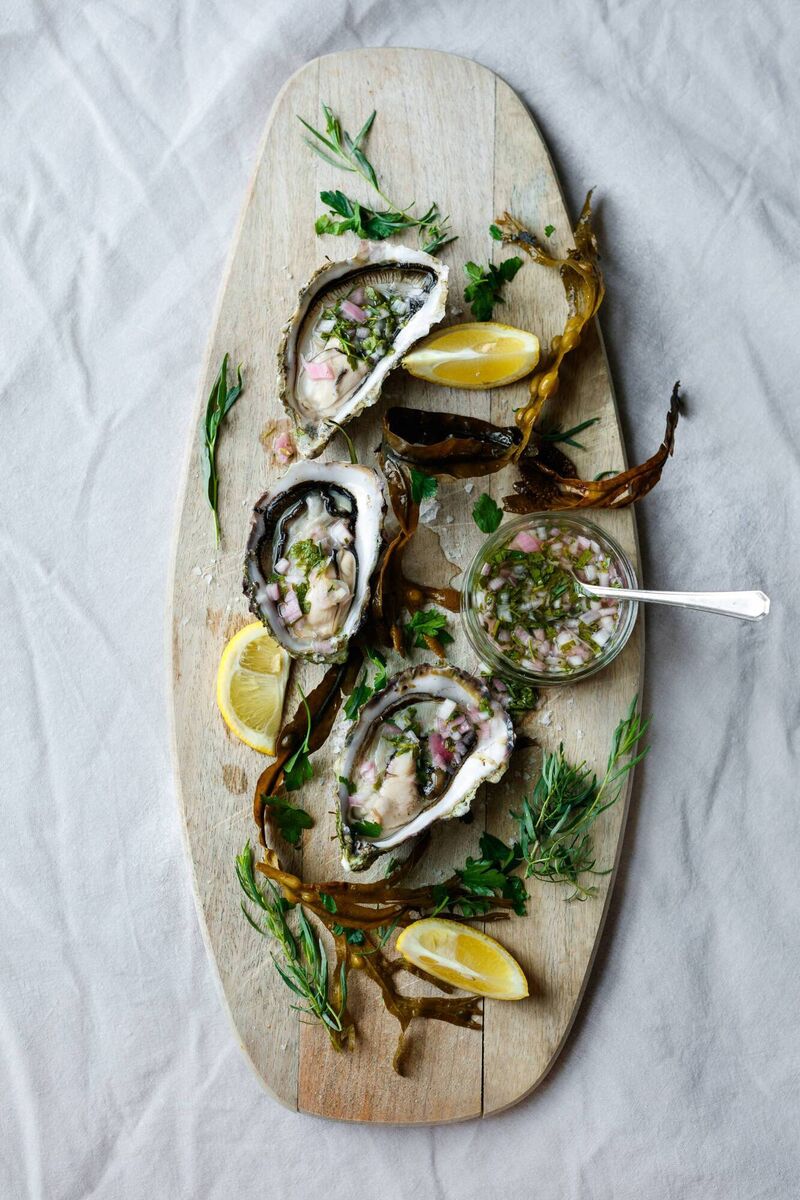
6-12 fresh Irish Oysters
125ml of rice wine vinegar
Handful of roughly chopped flat-leaf parsley
Handful of roughly chopped chervil
1 medium shallot, finely diced
Juice of half a lemon
Pinch of sea salt and black pepper
Lemon wedges to serve
Shuck the oysters, being extremely careful not to stab yourself in the palm of your hand. It is best done with a proper oyster shucker.
In a medium bowl, whisk together the rice vinegar, herbs, shallot, lemon juice, sea salt and pepper.
Place in a small bowl with a teaspoon. Serve with the oysters on a wooden board, spooning a little dressing over the oysters before eating.