Weekend Food with Darina Allen: We need to talk about no-shows

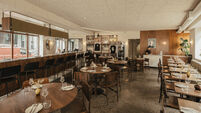
We need to talk about no-shows. Some may not even understand the term used by restaurants when guests who have booked a table do not show up on the night or cancel at the last minute when it’s too late to refill the table.
We are fortunate that this is a rare occurrence at Ballymaloe House but this practice is rampant around the country and appears, as on restaurateur put it, to have become ‘a national sport’.
I’m quite sure those who lightly book two or three restaurants on the same night and then decide after a few drinks where they’ll actually go don’t realise the devastating impact they are having on the restaurant industry where the margins are very tight and no-shows can and do make the difference between profit and loss, survival or not.
The Restaurant Association of Ireland in support of its members earlier this year urged them to take non-refundable deposits which would be deducted from the final bill in an effort to raise awareness of the impact of ‘no shows’. This decision was made after an average of 15% to 20% of bookings over Christmas turned out to be no-shows. This is not just an Irish phenomenon, restaurants in the US and UK are also experiencing similar challenges and are responding by charging non-refundable booking deposits.
This practice seems to enrage many Irish customers yet, where else can we expect to book something without paying? A theatre or concert ticket? No way.
BBC Radio 4’s The Food Programme recently did an entire segment on the problem with several chefs, owners and restaurant critics discussing the impact. The problem seemed to be considerably less among the restaurants which answer the phone rather than take bookings on a ‘booking engine’ or answering machine.
Not surprisingly personal contact, a friendly human voice and a little chat, creates a bond and somehow seems to make it more difficult for customers not to show up. Some restaurants don’t even have a telephone number any longer so you must book online. At a time when costs are soaring, business rates are increasing dramatically, particularly in cities, investment and growth in the industry is slowing down and there are acute labour shortages, no-shows, are the last straw for many hard-pressed restaurateurs.
Some restaurants in cities have opted to have a no-booking policy, guests just show up, take their chance and must be prepared to queue, that at least eliminates the no-show problem, but only works in a densely populated area where there are enough customers who are prepared to queue and the food must be worth the wait.
In just one small seasonal restaurant in West Cork last summer, there were over 60 no-shows during August which eliminated the profit for the entire month. Sadly several were regulars who would have been quite affronted at the suggestion that they should pay a non-refundable booking deposit. In our busy lives we often don’t realise the impact of our actions — but this is not okay.
Plans change for various reasons, some totally unavoidable but at the very least, let’s pick up the phone and cancel at the earliest opportunity so the restaurant has the chance to refill the table. Few restaurants will hold a deposit in the case of unexpected death or a unfortunate accident.
Basil Pesto
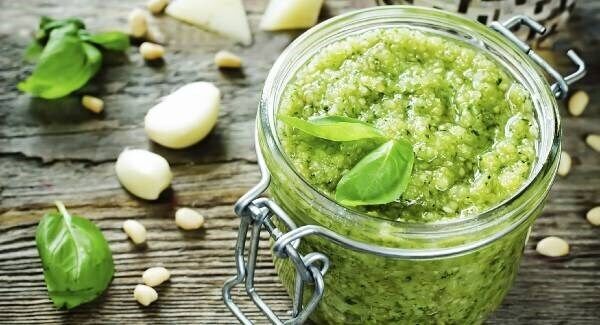
Homemade pesto takes minutes to make and tastes a million times better than most of what you buy. The problem is getting enough basil, those of you who grow your own will have plenty of basil this year. If you have difficulty, use parsley, a mixture of parsley and mint or parsley and coriander — different but still delicious.
Serve with pasta, goat cheese, tomato and mozzarella.
Whizz the basil with the olive oil, pine kernels and garlic in a food processor or pound in a pestle and mortar. Remove to a bowl and fold in the finely grated Parmesan cheese. Taste and season.
Pesto keeps for weeks, covered with a layer of olive oil in a jar in the fridge. It also freezes well but for best results don’t add the grated Parmesan until it has defrosted. Freeze in small jars for convenience.
Italian pine kernels are the original nuts used in Ligurian pesto.
However, cashew nuts or peeled almonds also work very well.
Bocconcini, Olive, Heirloom Cherry Tomatoes and Pesto on Skewers
Bocconcini are baby mozzarella — great fun for salads, finger-food and some pasta dishes. However, they need a little bit of help from the flavour perspective. Pesto is an obvious choice.
Drain the bocconcini and pop them into a bowl, drizzle with extra virgin olive oil and a generous tablespoon of homemade pesto. Toss to coat. Cover closely, leave to marinade for at least five minutes.
The pesto will discolour if the bocconcini are tossed too far ahead.
Carpaccio of Wild Salmon with Fennel Flowers and Pollen
A rare and special treat enjoyed during the few weeks a year when we can get a precious wild salmon.
Chill the salmon for several hours or pop into the freezer for 30 minutes.
Chill the plates.
Just before serving: Slice the salmon as thinly as possible. Spread a very little homemade mayonnaise on the base of each chilled plate. Lay a single layer of salmon on top. Sprinkle with a few drops of freshly squeezed lemon juice and a tiny drizzle of extra virgin olive oil.
Sprinkle some fennel pollen over each plate. Snip some fennel flowers and fronds on top, and, finally, freshly cracked pepper.
Serve as soon as possible with Ballymaloe Brown Yeast Bread — sublime.
Globe Artichokes with Melted Butter
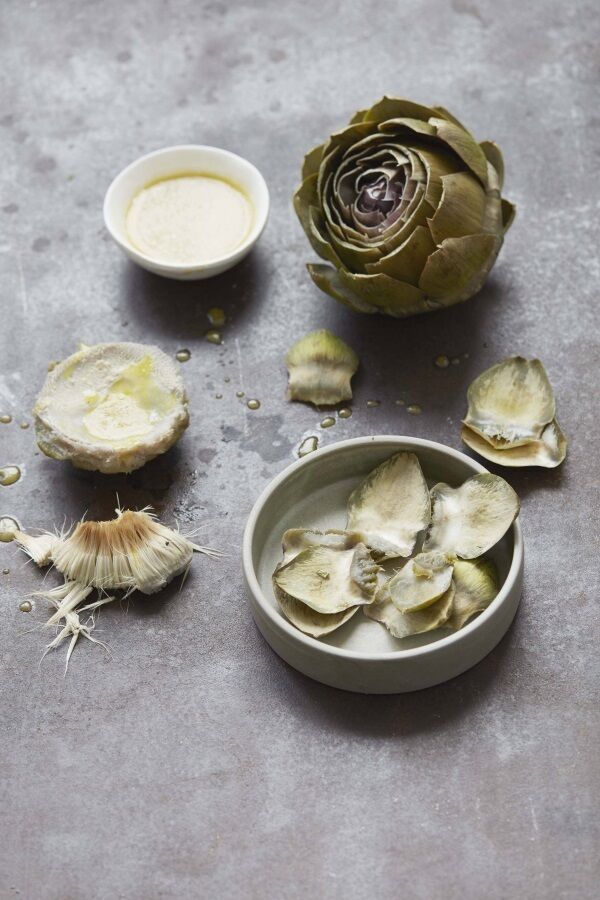
In season: Whole globe artichokes are quite fiddly to eat. First you pull off each leaf separately and dip in the sauce. Eventually, you are rewarded for your patience when you come to the heart. Don’t forget to scrape off the tickly ‘choke; then cut the heart into manageable pieces, sprinkle with a little sea salt before you dip it into the remainder of your sauce. Simply delicious.
Some restaurants do very complicated preparation but I merely trim the base just before cooking so the artichokes will sit steadily on the plate, rub the cut end with lemon juice or vinegar to prevent it from discolouring.
Have a large saucepan of boiling water ready, add 2 teaspoons of vinegar and 2 teaspoons of salt to every 2 pints of water, pop in the artichokes and bring the water back to the boil.
Simmer steadily for about 25 minutes. After about 20 minutes you could try testing to see if they are done. I do this by tugging off one of the larger leaves at the base, it should come away easily. If it doesn’t continue to cook for another 5 - 10 minutes.
Remove and drain upside down on a plate.
While they are cooking simply melt the butter and add lemon juice to taste.
Put each warm artichoke onto a hot serving plate, serve the sauce or melted butter in a little bowl beside it.
Artichokes are eaten with your fingers, so you might like to provide a finger bowl.
A spare plate to collect all the nibbled leaves will also be useful.
Hummus with Spiced Lamb, Pinenuts and Coriander
Chop the lamb fillet into 1cm-thick pieces.
Mix all the ingredients of the marinade in a bowl.
Add to the marinade and allow to soak up the flavours for 30 minutes to an hour.
Meanwhile, make the hummus, drain the chickpeas, save the cooking liquid. Whizz up the remainder in a food processor with the freshly squeezed lemon juice and a little cooking water if necessary. Add the crushed garlic, tahini paste, cumin and salt to taste. Blend to a soft creamy paste. Taste and continue to add lemon juice and salt until you are happy with the flavour.
Toast the pine kernels over a gentle heat in a frying pan or under a grill tossing regularly. Set aside.
Heat a little olive oil in a pan and fry the lamb for 3-4 minutes over a medium heat until it is just cooked through.
When you are ready to eat, transfer the hummus to individual serving bowls, use the back of a spoon to make a shallow well in each. Spoon the lamb over, finishing with a sprinkling of coriander, the toasted pine nuts and a pinch of sumac. Serve with pitta bread or any white crusty bread, we love to use the Alsham Bakery Syrian flat bread, made in Cork city.
Drizzle with a little extra virgin olive oil and sprinkle a few fresh pomegranate seeds over the top if you like.
www.cookingisfun.ie
www.instagram.com/darina_allen
www.instagram.com/ballymaloecookeryschool