Olive oil will add flavour, depth and colour to these 4 recipes
Taste a number of olives oils from different regions and you will soon detect large variations in flavour.
There are many diverse types each with their own unique strengths and aromas.
Some people consider olive oils in much the same way as wines, each with their own terroir influencing the flavour, depth and colour.
I usually try and buy two different olive oils.
A light, less expensive one for cooking and a stronger more flavoured and aromatic oil for use in dressings and mayonnaises.
Olive groves conjure up images of sun-drenched earth, herbaceous smells and dappled light.
Extra virgin means that it has come from the first pressing of the olives and is usually the most flavoursome.
Tearing a chunk of fresh crusty bread and rubbing it into a dish full of verdant, fruity, smooth olive oil is a satisfying start to any meal.
The oil can be seasoned with a few sea salt crystals and some cracked black pepper.
Add some fried garlic and herbs and set it aside to infuse for a few days for a full flavoured treat.

There are many combination of herbs that can be used to create interesting oils for use in cooking, once kept airtight they can be stored for a few months.
Oils can be used to preserve ingredients such as fish or vegetables by sealing them from air, by creating a protective layer it keeps out mould and delays oxidation and deterioration.
Fish is preserved in oil, most widely sardines or tuna.
The use of olive oil stretches back over six thousand years to the banks of the Mediterranean for both consumption and medicinal proposes.
It nourished peoples of ancient Egypt, the Phoenicians through to the reign of the Greeks and then Romans.
In Ireland we tend to use butter in our potatoes which I love, but for a lighter alternative a dash of olive oil makes a nice change.
Flowery potatoes work well with this recipe included such as King Edward.
Olive oil is most often associated with savoury foods but it can be used in desserts as well.
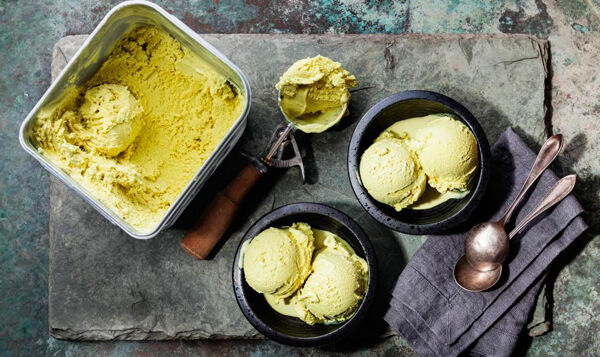
I like to choose a very green fruity oil for either the ice-cream or the cake.
- pasta for four
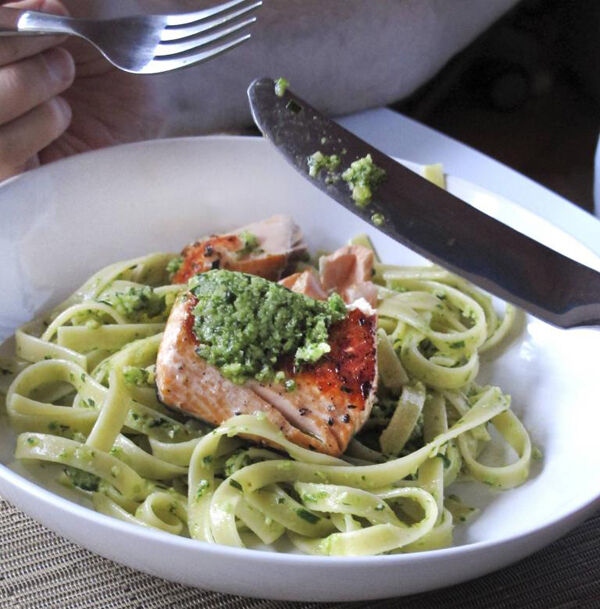
- 4 darns of salmon
- 1 cup of nice juicy green olives chopped
- 1 medium onion, finely chopped
- 3 tbs capers, rinsed and chopped
- 4 tbs olive oil
- 2 tbs of white wine vinegar
- zest of 1 lemon
- 100g of Parmesan, finely grated
- a little chopped parsley
Put the pasta on to boil in lightly salted water and drain when cooked.
Rub some seasoning into the pieces of fish and place them under a medium grill.
Cook for six to eight minutes per side, or until the fish flakes easily with a fork.
In the meantime, mix together the chopped green olives, onion, capers and olive oil with the vinegar and lemon zest and mash with a fork.
Taste and season.
Stir the warm pasta through most of the olive pesto.
Place the fish on top and a spoon of the olives on the fish.
Serve with Parmesan and some chopped parsley.
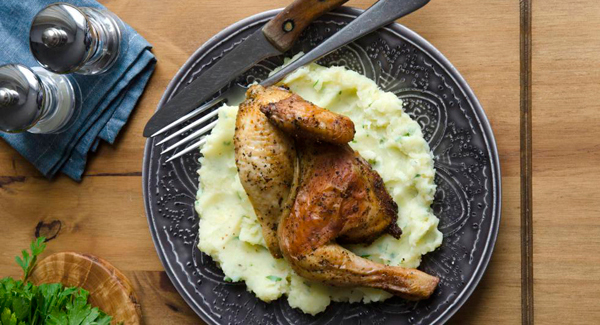
- potatoes cut into even sized chunks
- 4 onions, cut into slices
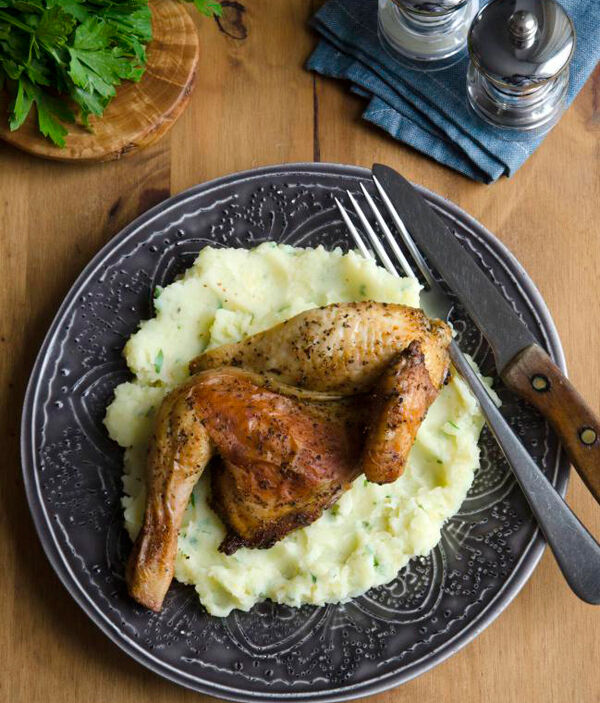
- 8 chicken legs
- 1 tbs of honey
- 1 tbs of smoked paprika
- a good fruity olive oil – about 60 mls for every large potato
Rub the chicken legs with the honey, sprinkle with the paprika and season well.
Place into an oven heated to 180 degrees on a bed of the sliced onions.
Roast until the chicken is cooked through and the onions are completely softened. About 35 to 40 minutes.
Place the potatoes into a saucepan and cover with water.
Bring to a simmer. I find that a slow simmer gives better results than a fast boil.
Cook for 10 to 15 minutes, or until they are tender.
Drain and then place the potatoes back into the saucepan and proceed to mash them well.
You can then add your olive oil and seasoning and mash again until it is smooth.
Serve the chicken legs on the mash with the onions underneath.
- 360 mls of milk
- 112g of white sugar
- 2 pinches of sea salt
- 1 cup of cream
- 6 large egg yolks
- 1 tsp of vanilla essence
- 120 mls of strong flavoured olive oil
Combine the milk, sugar, and salt in a saucepan over medium heat until it is warm and the sugar has dissolved.
In another bowl, whisk your egg yolks.
Continue mixing with the whisk and gradually add the warm milk mixture to the egg yolks.
Once it is combined, pour the mixture back into the saucepan.
Stir it over medium heat, making sure that it does not stick to the bottom of the pan.
Let it thicken enough so that it coats the back of a spoon.
Pour the cream into another bowl and place a sieve over the top of the bowl.
Pour the milk and egg mixture through the sieve and into the cream.
Whisk together and then add the olive oil and vanilla continuing to whisk until all combined. Place over an ice bath and continue to stir until the mixture is cool.
Put the ice cream into your freezer and leave for an hour. Take it out and you should see that it has begun to freeze around the edges.
Stir it very briskly with a spoon or a hand blender then return it to the freezer.
Here comes the fun part – you will need to repeat this process every 30 minutes for the next about three hours or until it is all frozen. Or if you have an ice cream maker follow its instructions.
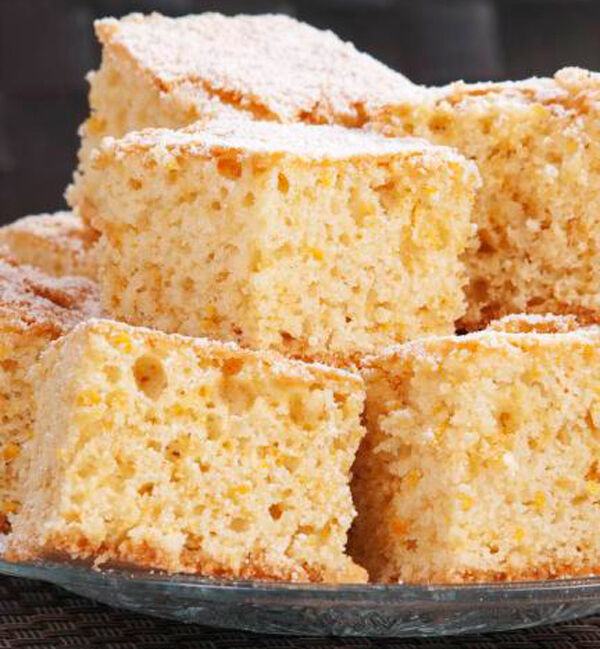
- 75mls of rich olive oil
- 175g of self-raising flour
- 1½tsp of baking powder
- 50g of freshly ground almonds
- 50g of fine polenta
- the zest of 6 lemons
- 130g of caster sugar
- 2 eggs, lightly beaten
- 225g of natural yogurt plus 1tbs extra for the icing
- 50g of butter, softened
- 210g of icing sugar
- 4tbs of lemon curd
Grease an eight-inch spring form or loose base tin and preheat the oven to 180 degrees.
Place the flour, baking powder, ground almonds and polenta in a large bowl and mix.
Stir in the zest of three lemons and the caster sugar. Make a well in the centre.
Mix the eggs, yogurt and oil and gently stir them into the centre of the dry ingredients. Bring everything together without over-mixing.
Scoop the mixture into the tin and bake for 40 minutes until a skewer comes out clean.
In the meantime, beat the butter, icing sugar and natural yogurt until smooth. Add the rest of the lemon zest.
Take the cake from the oven and let it cool briefly in the tin. While it is still warm remove it and set it on a wire rack.
Spread the lemon curd on top and allow it to soak into the cake.
Once it has completely cooled, smooth on the icing.