Top 8 peanut butters
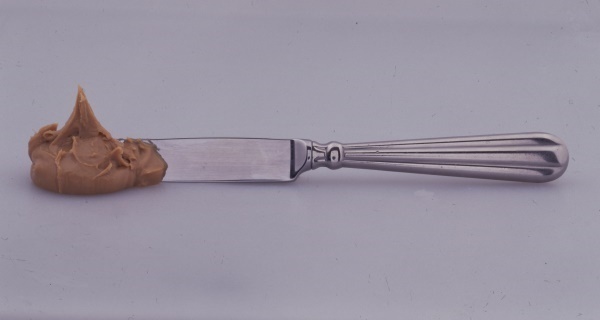
A CONVENIENT store cupboard ingredient, peanut butter is useful in more ways than on bread. I add it to stews to add richness, at the end of stirfrying to add creaminess and with water to make a sauce. It is also useful to mollify over-spiced foods — the fat can soak up any harsh chilli flavour. Add a heaped dessertspoon. It may be all you need.


In a plastic tub, this has 97.7% roasted peanuts, sea salt and palm oil. The brand contributes to the production of certified sustainable palm oil. Palm oil could have health benefits (vitamin E, low saturated fats), but processing may counter this. A good, creamy base has nice chunks of peanuts. With 0.6% salt, not too thirst making. 30% protein is a decent amount. Saturated fats at 11% and 6.8% fibre are acceptable.
7

In a plastic tub, 90% peanuts has added sugar and ‘fully hydrogenated palm oil’ with no mention of sustainability. Hydrogenated oils are usually heated so health benefits can be decreased. Here the added sugar is second on the list, ahead of the oil, and is very noticeable. Tasters did not like the sweetness. 90% peanuts is less than other samples with protein a relatively low 20%, but fibre a decent 11%.
5

With a decent 95% roasted peanuts and palm oil, 1% salt is high. Brown cane sugar is second on the list of ingredients with a moderate 24% protein. There is no mention of sustainability of the palm oil. In a plastic tub, the creamy base is quite salty and this overpowers the sweetness, yet there is quite good peanut flavour.
5.5

In a recyclable glass jar, 95% peanuts is a decent amount, but there is brown cane sugar and palm oil with no mention of sustainable sources. Sea salt is 0.73%, protein a decent 28% and fibre a fair 7%. There seemed to be more crunchy bits in this sample in a less creamy base, but none the worse for that. Produced in Britain.
6

95% roasted organic peanuts is a good proportion and there is no added sugar. The palm oil is organic and sustainable and there is a high 27.3% protein, though with a high 1% sea salt. All in all, a good list. It tasted good too, a little too salty perhaps, but this is better than added sugar to flavour it. The taste is natural and there are plenty of chunky bits. In a recycleable glass jar. Ticks a lot of boxes.
8

91% roasted peanuts has peanut oil next on the list followed by sugar and palm oil with no mention of sustainability. 27.2% protein and salt at 0.7% are good. In a plastic tub, the base is smooth and there are plenty of crunchy bits. Good peanut flavour and a good price.
7

From health/wholefood shops and in a glass jar, this is unique in having 100% organic peanuts and no added salt. Protein 25.8% and fibre at 8.5% gives us a clear picture of the nutritional value of peanuts alone. In addition, it is made in a British factory using energy from sustainable sources. The thinking person’s peanut butter, you can your own salt to taste. There is plenty of flavour without it.
8.5

With 99.4% organic peanuts, there is just enough sea salt (0.6%) added to bring out the flavour, proving all the additions of oil and sugar are quite unnecessary to make a tasty product. This is satisfying, smooth (with enough chunky bits) and delicious. Tasters added a mark for the good price. No nutritional values on the label, but we can take it that as natural as this that protein and fibre are as good as they can be. From health/wholefood shops.
9