Michelle Darmody: How to make a blood orange and almond cake
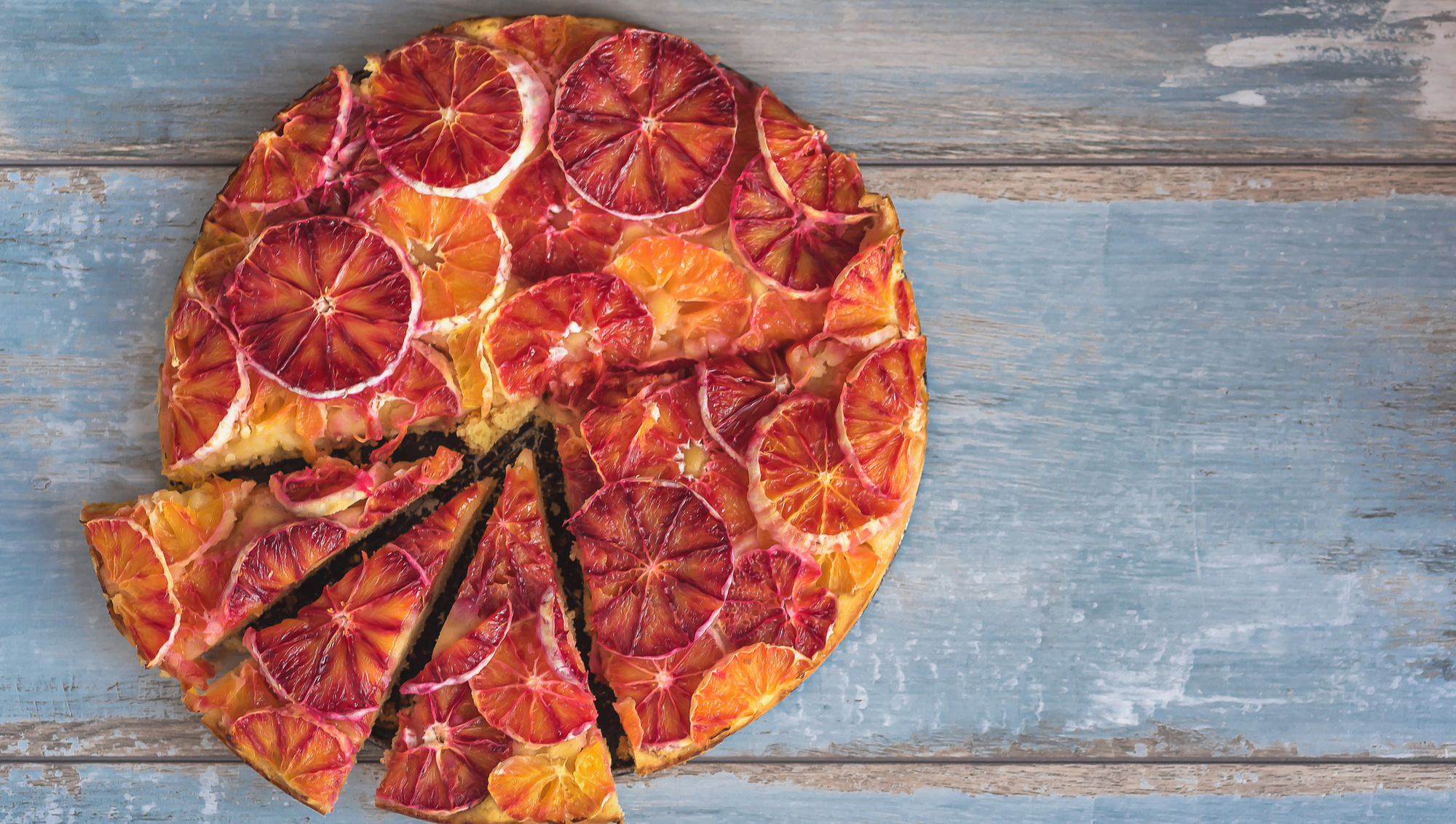
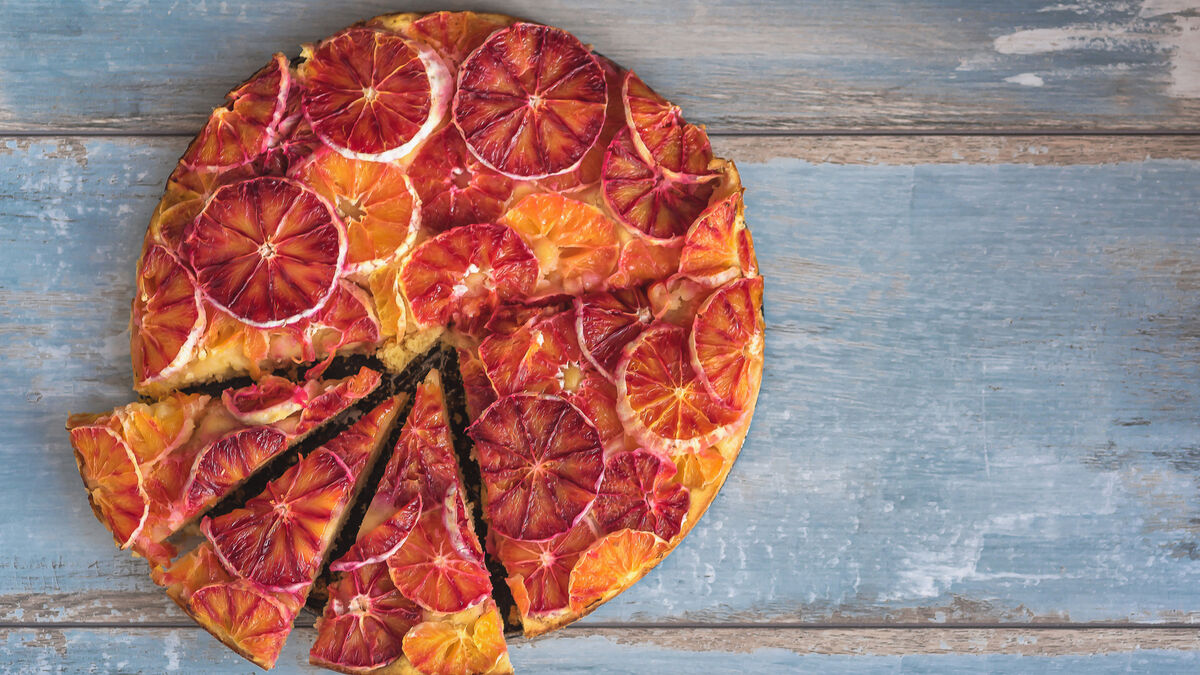
You flip the cake upside down after it is baked and then pour on some more syrup to help get a nice glassy finish.

Blood oranges are a wonderful colour, both inside and out. The orange and purple mottled skin gives way to deep red to pink coloured flesh within. Blood oranges were first recorded in Sicily and chances are if you are buying blood oranges here in Ireland that they still come from Sicilian farms.
Blood Orange & Almond Cake
This is a good gluten-free cake option. Just ensure the baking powder is a gluten-free variety.
Servings
10Preparation Time
2 hours 30 minsCooking Time
60 minsTotal Time
3 hours 30 minsCourse
BakingIngredients
4 blood oranges, 2 peeled but left whole
125ml blood orange juice
90ml light muscovado sugar
6 eggs, beaten until doubled in volume
240g golden caster sugar
250g ground almonds
1 tbsp baking powder, sieved
Method
Wash two of the unpeeled blood oranges and place them in a saucepan covered in water. Bring the water to a boil then let it simmer for two hours until the oranges, including the skin, are soft.
While they are boiling, peel the other two oranges and slice them. Set the slices aside.
Stir the juice and muscovado together in a saucepan and simmer until slightly thickened.4. Add the orange slices and simmer for a further five minutes then set aside.
Liquidise the two boiled oranges, including the skin. Liquidise until they form a smooth pulp.
Grease and line a 9-inch round cake tin
Preheat your oven to 180ºC/gas mark 4.
Mix the golden caster sugar, ground almonds, baking powder and eggs together.
Add in the pulped oranges and combine.
Lay the orange slices on the base of the cake tin.
Scoop the batter on top of these
Place the tin into the centre of your oven and bake for 60 minutes until golden on top.
Allow to cool in the tin for 30 minutes then gently turn the cake over onto a large serving plate.
Drizzle the remaining syrup over the cake.
Boiling the oranges for so long allows you to make a smooth pulp but it also reduces the bitterness from the pith. It is good to keep an eye on the water and top it up every now and then if needed.
I use a springform or loose-bottomed tin for this recipe and ensure it is well lined so the batter and stickiness of the orange slices do not leak out.
To line the tin, fold a square of paper into a triangle, measure from the centre of the base and then fold it at the edges of the base, leaving the paper long enough to go up the sides of the tin. Cut ‘slices’ into the top of the triangle as far as the fold. These slices will go up the side of the tin and you will have a solid disc in the centre for the base. Grease the tin and press the paper into it so it sticks to the edges as well as the base.
Two or two and a half blood oranges should yield 125ml of juice.
The eggs should be at room temperature so they combine well with the other ingredients.
It is best not to over mix the batter as the cake will turn out stiff. You just need to combine the ingredients with the whipped eggs.
You can add a teaspoon of orange blossom water to the batter if you would like a more floral citrus flavour.
If the cake sinks in the middle, it is usually because it was either under-baked; a skewer should come out clean and the top should be golden before taking it out of the oven. Or the batter may have risen too quickly and then collapsed. This happens if there was too much baking powder added. It is best to sieve the baking powder to ensure it is evenly distributed throughout the batter.
You can take the blood orange slices from the syrup with kitchen tongs. The tongs also helps you to carefully lay them on the base of the prepared tin.
This cake will store well for a day or two. The flavours can even strengthen and blend better after a day kept in an airtight container in a cool place.
A version of this cake without the orange slices and topped with pistachio and dried edible rose petals is very beautiful. You can also add two teaspoons of rose water to the syrup and pour this over the cake when it is turned out of the tin.