Aishling Moore: How to prepare hake with a creamy espelette sauce
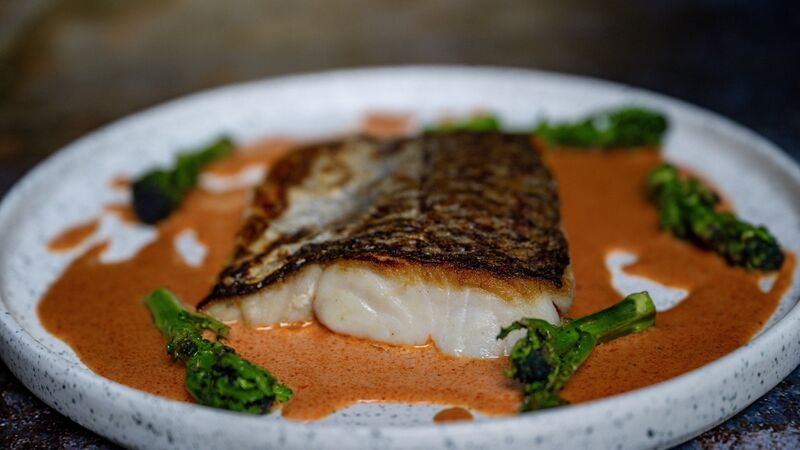
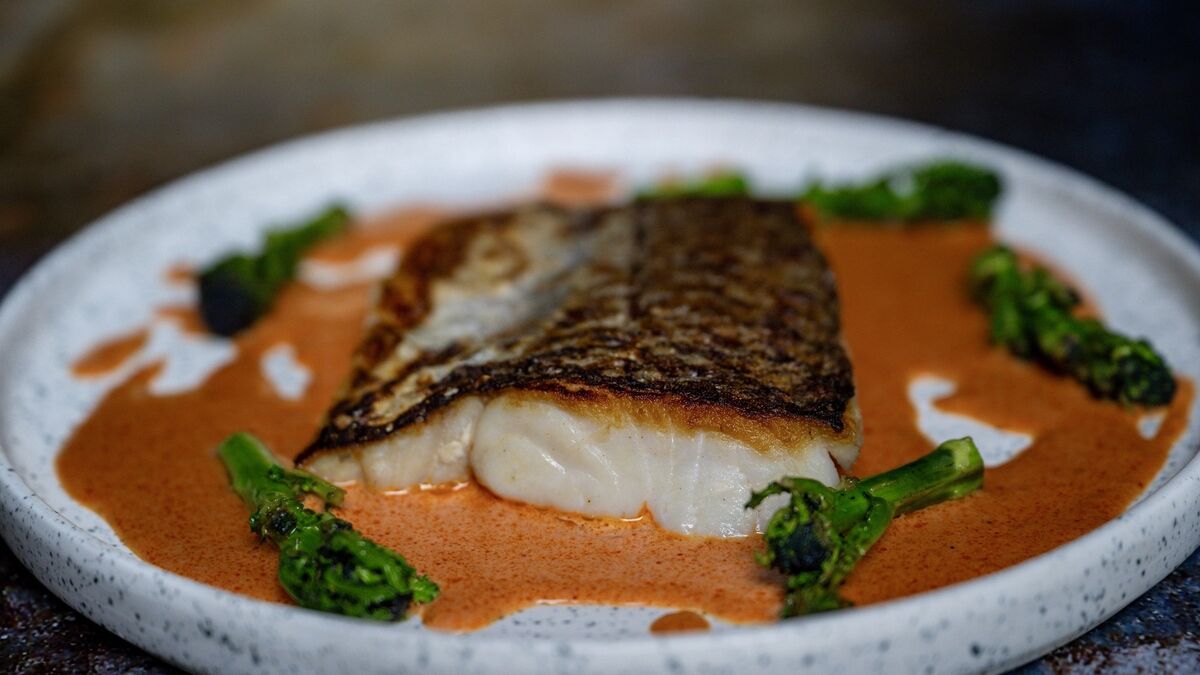
Hake with espleltte sauce by Aishling Moore. Picture: Chani Anderson

Traipsing through a market is one of my favourite things to do when travelling. A market tells you a whole lot more about how the people of a place eat than a restaurant ever could.
I love watching the locals shop, imagining what they’ll be having for lunch or cooking for dinner.
On a recent trip Lyon - the gastronomic capital of France – I had the pleasure of visiting Les Halles de Lyon market. Opened in 1971, it was renamed in 2006 to Les Halles de Lyon Paul Bocuse to honour the city’s most celebrated chef, Paul Bocuse.
As one would expect, the market is jam-packed full of beautiful produce, bakeries with praline-studded brioche, saucisson hanging above the blocks of butchers, counters displaying ox tongue terrines and pâte en croute to be sold by the slice.
There's greengrocers busily stacking seasonal fruits and vegetables, fishmongers, cheesemongers and purveyors of wines, herbs and spices.
There’s a handful of restaurants and bars too, where you can enjoy lavish towers of pristine shellfish among many other Lyonnaise delights.

I picked up a jar of piment d’Espelette there, along with a couple more edible regional souvenirs to bring home.
Piment d’Espelette is a type of chilli pepper grown and dried exclusively in the town of Espelette in the Basque region of France.
A vibrant red spice, it’s got a fruity sweetness, a subtle smokiness and gentle warming heat. So, it’s great in sauces, dressings and marinades.
A wonderful finishing spice that pairs well with fish, poultry and vegetables, it is also fantastic sprinkled over eggs.
I’ve used some in this weekend’s recipe – hake with a creamy Espelette pepper sauce. You’ll find piment d’Espelette in most speciality food stores, although you can substitute it with a pinch of smoked paprika and a touch of cayenne chilli powder.
Hake with a creamy espelette sauce
You’ll find piment d’Espelette in most speciality food stores, although you can substitute it with a pinch of smoked paprika and a touch of cayenne chilli powder.
Preparation Time
15 minsCooking Time
40 minsTotal Time
55 minsCourse
MainIngredients
For the hake:
4 x 110g fillets of hake (pin-boned and skin on)
2 tbsp rapeseed oil
Fine salt
For the sauce:
2 tbsp golden rapeseed oil
1 shallot, finely diced
3 cloves garlic, minced
1 bay leaf
1 tsp Espelette chilli pepper
100ml white wine
400g chopped tomatoes
200ml cream
1 lemon
Method
First, make the sauce.
Place a medium-sized heavy-based pot on a moderate heat and warm the rapeseed oil.
Add the shallot and minced garlic and sweat until translucent.
Add the Espelette pepper and bay leaf and cook for one minute.
Turn the heat up to high and add the white wine, bring to the boil and reduce until syrupy.
Add the chopped tomatoes, season with sea salt and reduced the heat to medium and cook to reduce for 8-10 minutes.
Add the cream, bring to boil and reduce for 2 minutes.
Remove the bay leaf and discard. Finish with the juice of a lemon and taste to correct seasoning, you could add another pinch of Espelette at this stage if you’d like.
Keep warm while preparing the hake.
Remove the hake from the fridge 15 minutes before you are intending on cooking it.
Pat dry any excess moisture with some kitchen towel and season with fine sea salt.
Preheat a large frying pan on a medium high heat for 2 minutes.
Add 2 tbsp of rapeseed oil and warm this before placing the hake fillets in the pan laying the fillet skin side down and away from you, to avoid oil splatters.
Work in batches at this stage, depending on the size of your frying pan.
Once in the pan, do not disturb the fillet or move the pan. Allow the crust of caramelisation to develop evenly, approximately 2-3 minutes, until the fish is cooked 60 percent of the way.
Using a fish slice, confidently lift the fillet from the pan and place on a lightly oiled tray.
Place the par-cooked fillet in a 200°C preheated oven for between 4-5 minutes depending on the size of the fish.
Serve immediately with the warmed Espelette sauce.
Carbon steel frying pans are my preference for cooking fish. They are excellent conductors of heat and require very little upkeep.
· Preheating your frying pan is the most crucial step in pan-frying a piece of fish. The goal is to achieve an even temperature across the full surface area of the pan. Cold pockets will cause your fish to stick.
· No matter what piece of fish you are cooking, when removing from a pan always lift from the tail end of the fish. It causes less damage to the skin.
· Make sure you’re using a pan that’s large enough for the number of portions you’re cooking. Avoid overcrowding the pan. Each addition to a cooking surface reduces the temperature of the pan.