Michelle Darmody: How to bake the perfect winter focaccia
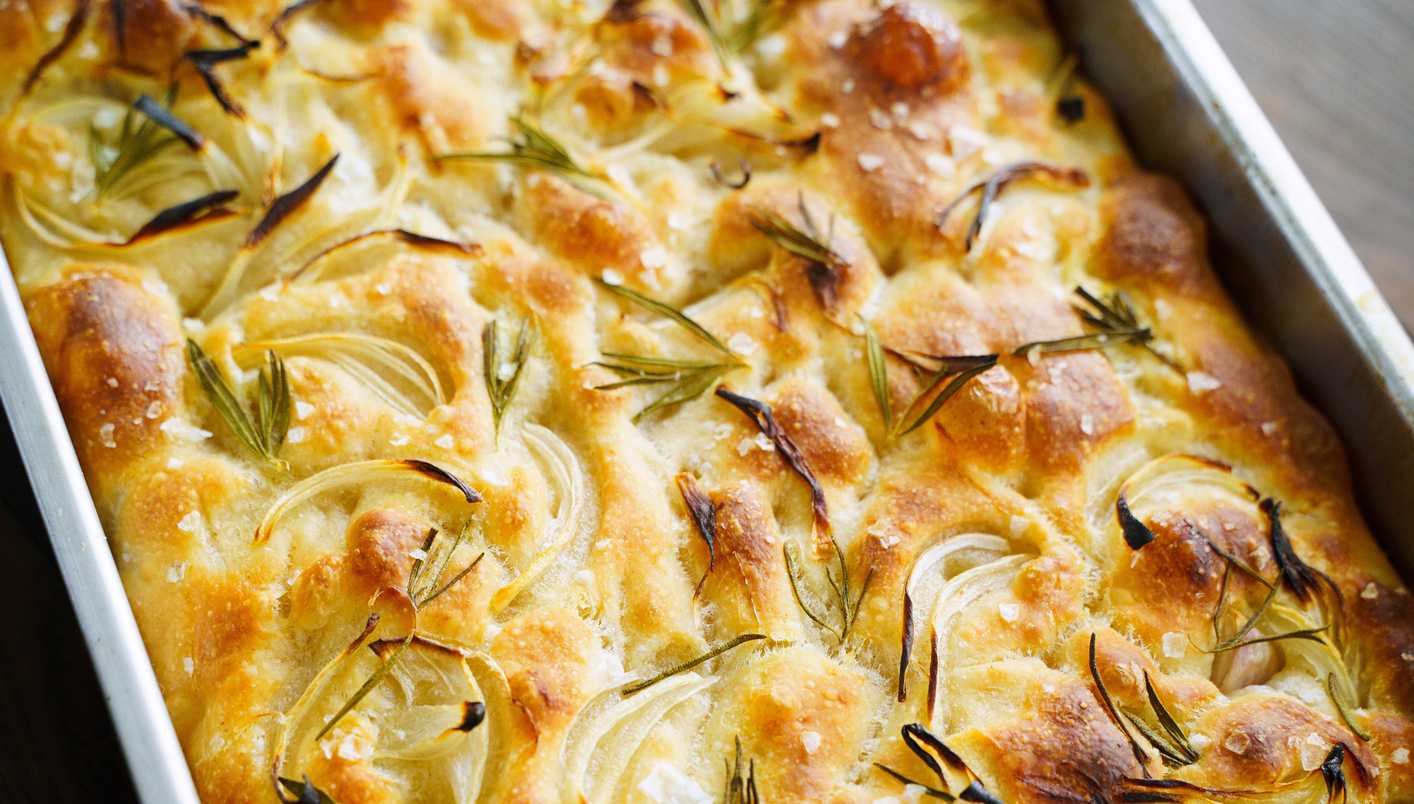
The word focaccia means āhearth breadā which refers to the fact that it was traditionally baked over fire.

Stuffing your fingers into warm, rising dough is immensely satisfying. Making a bread like focaccia is a very tactile process, it involves lots of teasing and flattening of the dough before adding oil and herbs.Ā
The thought of using yeast can be a bit intimidating but fast acting zest has made the process more manageable. You simply add the sachet of powder along with your flour then add room temperature water. There is no need to dissolve or activate it first.Ā
You can buy the sachets in most larger shops or get them from speciality baking websites.
The word focaccia means āhearth breadā which refers to the fact that it was traditionally baked over fire. The indentations were made in the dough to prevent large bubbles forming during baking, but they work as perfect little pockets for toppings to nestle into.
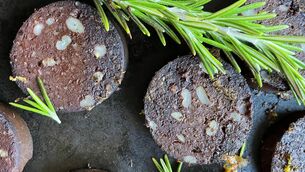
As you can see from the variations here that there are lots of possible toppings for focaccia, in fact the possibilities seem endless. You can mix and match ingredients or leftovers from your store cupboard or fridge.Ā
It might be a good time to use that strange but intriguing jar of pickled nuts someone gave you in a Christmas hamper, or to open the tin of anchovies you have been meaning to use.Ā
Focaccia comes from Central Italy so any ingredients you can think of from that region are a particularly safe bet when dreaming up your toppings.
Focaccia comes from Central Italy so any ingredients you can think of from that region are a particularly safe bet when dreaming up your toppings. Servings Preparation Time Cooking Time Total Time Course Ingredients 7g dried fast-acting yeast 500g strong flour 5 tbsp olive oil 350ml blood temperature water 3 tsp flaky sea salt 2 shallots, sliced sprig of rosemary sprig of thyme Method Mix the yeast and flour together in a large bowl. Make a well in the centre and add the warm water, 2 tbsp of the olive oil and 1 tsp of the salt.Ā Bring the dough together. It should be sticky so you may need a little extra water if it feels dry in any way.Ā Coat a work surface lightly in flour and turn your dough onto it. Knead for ten minutes. You can do this in a mixer with a dough hook if you prefer. Oil a large bowl and place your dough into it. Cover it with a damp tea towel and leave in a warm place so the dough doubles in size. It will take about an hour.Ā Slice your shallots and remove the herbs from the stalks. Oil an ovenproof tin about 10 x 14 inch in size. Tip the dough into the tin. Flatten it out and leave it to prove again for about a half an hour, keep it covered in a warm place.Ā Preheat your oven to gas mark 7.Ā Press your fingers into the proved dough to make will wells or indentations. Press slices of the shallots and some herbs into the wells. Drizzle another 2 tbs of olive oil over the dough and sprinkle with the remaining sea salt.Ā Bake for 20 minutes in the centre of your oven, until golden on top.Ā Drizzle the remaining oil over the dough when it is still hot.Ā Remove the focaccia from the tin onto a wire rack to cool so you can cut it into chunks.Focaccia
Blood temperature water works best when using this yeast, this means just above room temperature or if you would like to check with your finger it is the temperature
inside your mouth.
There is quite a bit of water in the dough, which helps give it its texture by creating an open crumb. The dough will be sticky to touch at first but will firm up quite quickly with kneading. The gluten in the flour will begin to make it elastic. The strong flour has a higher gluten content than plain flour you use in cakes.
Use plenty of olive oil on the bottom of the tin, as well as over the top of the dough. It makes for a soft, pillowy bread. It is also recommended to brush it with more oil as it comes out of the oven.
Make sure you push the
shallots, olives, tomatoes or whatever topping you are using right down into the holes in the dough. If they sit on top too much, they are more likely to burn, and the flavour will not permeate the dough as much.
There are some variations below but any salty cheese with nuts and honey drizzled on when still warm works lovely. Figs or plums can be added with ricotta or fresh cherry tomatoes, pesto and mozzarella.
Flavoured oils work well too. You can infuse oil with garlic and herbs a few days before making your bread or add parmesan rinds to the oil for an umami flavour.
The chunks of focaccia are best stored at room temperature in an airtight container for two days. The exception is toppings that would spoil at room temperature. In this case keep your bread in the fridge and bring to room temperature before serving.