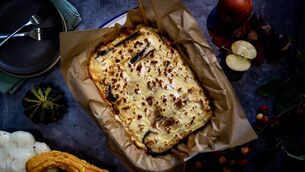
Darina Allen: How to make the perfect Danish open sandwiches

Tomato, egg and mayonnaise open sandwich
You can use cottage cheese instead of mayonnaise here if you prefer. Or change the herbs: chopped chives, chervil and dill will work well instead of cress.

Servings
4Preparation Time
10 minsTotal Time
10 minsCourse
MainIngredients
4 slices of rye bread
salted butter
2 large tomatoes
2 hard-boiled eggs
2 tablespoons mayonnaise
2 tablespoons cress sea salt flakes and freshly ground black pepper
Method
Place the rye bread slices on a worktop and spread the butter evenly on each slice.
Slice the tomatoes.
Cut each egg into 4 slices, and place 2 slices of egg with 1 slice of tomato in the middle of each bread.
Divide the mayonnaise between the open sandwiches, place the cress on top and sprinkle with salt and pepper.
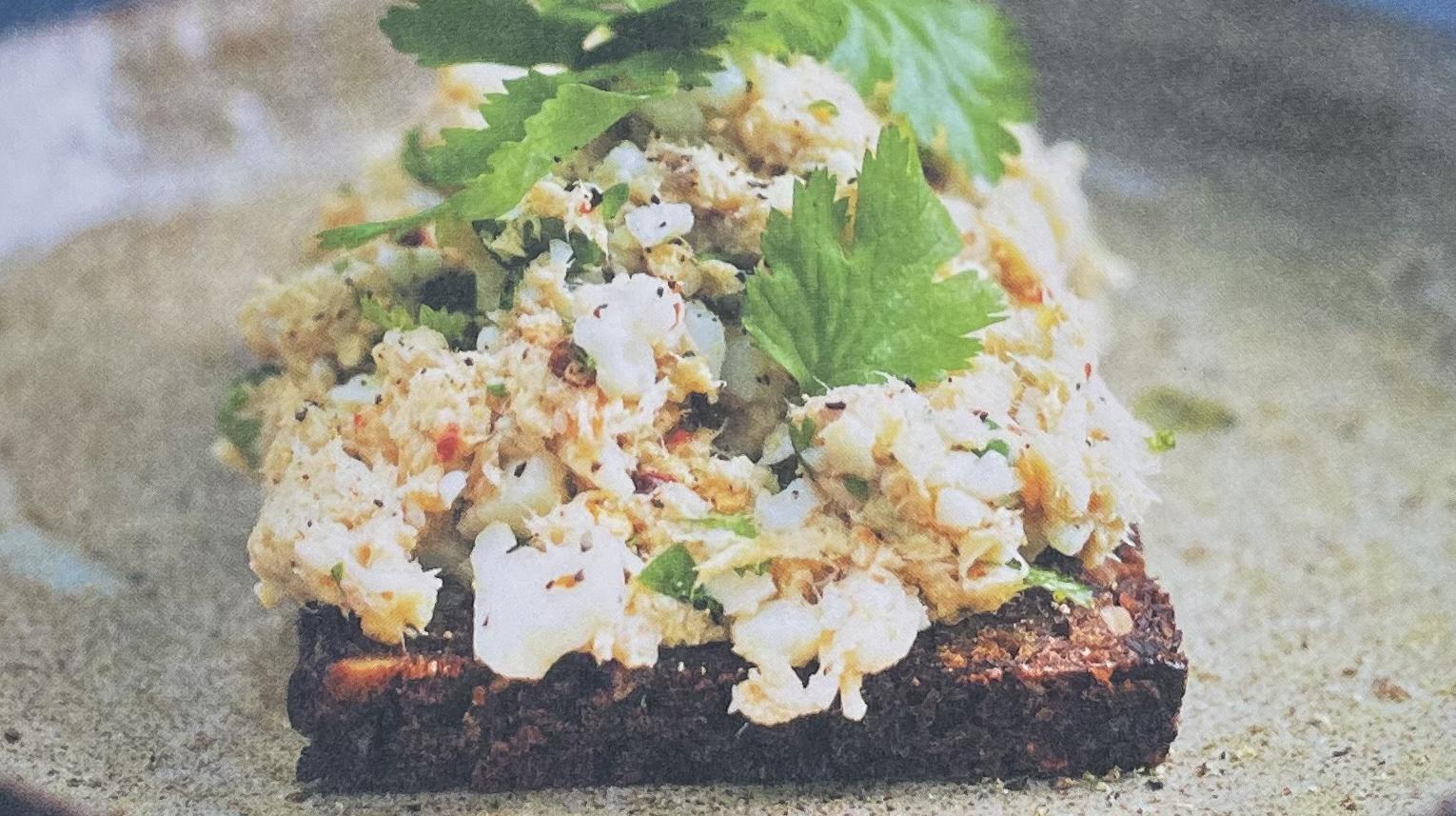
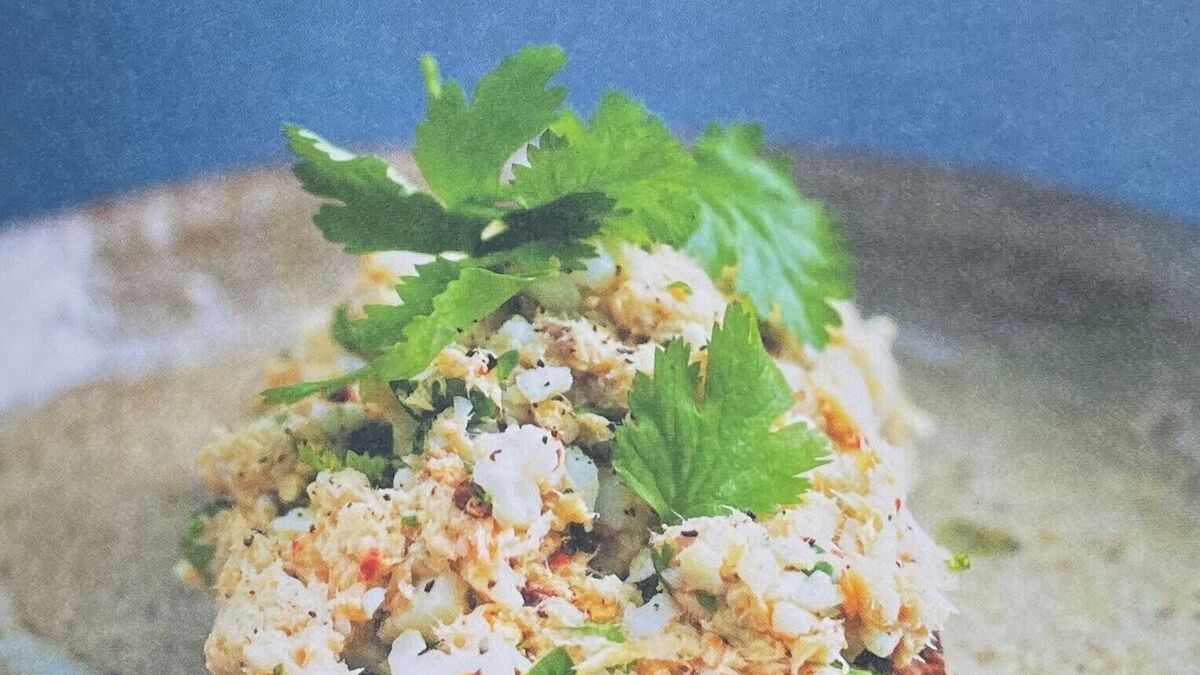
Mackerel Rillettes open sandwich
In August, the mackerel are big and fat, and that's when they are best to smoke. They can be eaten on rye bread with egg yolk and raw onions.
Servings
4Preparation Time
15 minsCooking Time
15 minsTotal Time
30 minsCourse
MainCuisine
DanishIngredients
170g smoked mackerel
2 hard-boiled eggs, chopped
2 tablespoons finely chopped chives
5 radishes, finely chopped
1 tablespoon lemon juice
2 tablespoons lime juice
1 1/2 teaspoons finely grated unwaxed lime zest
2 tablespoons chopped coriander, plus leaves to decorate
1 1/2 teaspoons chilli flakes
freshly ground black pepper
4 slices of rye bread
salted butter
Method
Carefully remove and discard the skin and bones from the mackerel. Break up the fish into pieces.
Mix the mackerel, eggs, chives, radishes, lemon juice, lime juice, lime zest, coriander and chilli flakes.
Season to taste with pepper.
Place the eggs in a small saucepan and pour cold water over, so they are covered. Bring to the boil and let them boil for 4 minutes.
Take the saucepan off the heat, pour out the boiling water and pour plenty of cold water over the eggs.
After 10 minutes, peel them; they are ready to be used.
Place the rye bread slices on a work top and spread the butter evenly on each slice.
Divide the mackerel rillettes between each bread slice and top with the coriander leaves.
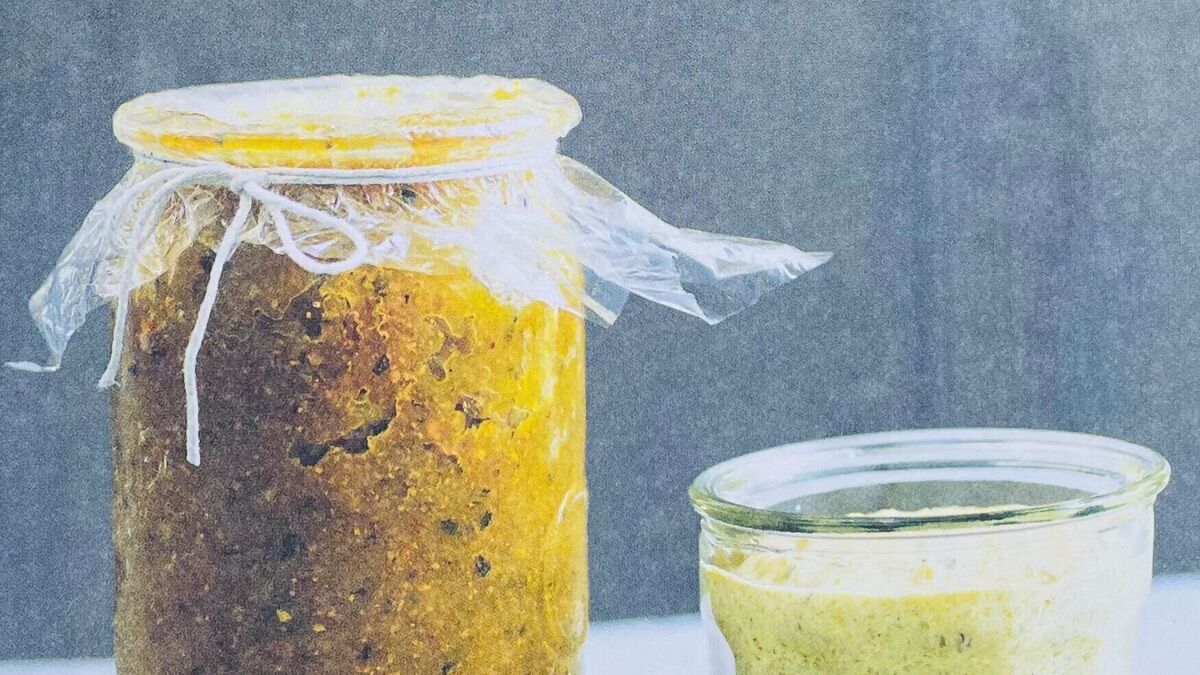
Mustard pickles
The best pickles I know of; this is my mother’s recipe. I use the pickles in Rémoulade, but also just to serve as pickles for meat, fried fish or fishcakes.
Servings
4Preparation Time
8 hours 0 minsCooking Time
60 minsTotal Time
9 hours 0 minsCourse
SideCuisine
DanishIngredients
750g (1lb 10oz) green tomatoes, cut into chunks
1kg (2lb 4oz) courgettes, cut into chunks
350g (12oz) onions, cut into chunks
35g (3 tablespoons) sea salt flakes, or to taste
500ml apple cider vinegar
50ml lemon juice
400g granulated sugar
40g plain flour
2 1/2 tablespoons mustard seeds, ground
2-3 tablespoons curry powder, or to taste
Method
Blend the tomatoes, courgettes and onions until very fine in a blender or food processor (or with a hand blender).
Mix with the salt, then set aside for 3-4 hours in a cool place.
Pour the vegetables into a jelly bag and leave to drain for a couple of hours. Then place the vegetables in a big saucepan with 400ml water and 75ml of vinegar.
Bring to the boil while stirring, then let it simmer over a very low heat for 20 minutes.
Once more, pour the vegetables into a jelly bag and leave to drain for some hours - even better overnight until rather dry.
Place the vegetable mixture in a big saucepan, then add the remaining vinegar and the lemon juice. Mix the remaining ingredients in a bowl, then stir into the vegetables.
Bring to the boil, still stirring, then let it simmer for 30 minutes over a very low heat, stirring often.
Season to taste with more salt, curry powder and sugar.
Pour the pickles into sterilised jars and seal them. Store in a cold place, they will keep for 1 year.
At last, you can learn the secrets of the famous Ballymaloe Sweet Trolley with , published by Phaidon this October. JR Ryall, Ballymaloe House Pastry Chef extraordinaire will share the magic at the cookery school on Tuesday, October 25 at 2.30pm. Course attendees will get a copy of the new cookbook included in their pack personalised by chef and author, JR.
- For more information, see www.cookingisfun.ie
Copenhagen bakers and pastry chefs seem to be doing a ‘dark bake’ for extra flavour, what we might originally have considered to be charred or burnt is now cool and desirable.
The herb of choice for garnishing is green or purple oxalis, a deliciously tart shamrock-shaped leaf that grows wild and is also cultivated.
Hedgerows and meadows around the countryside are dotted with clumps of fluffy cream meadowsweet (Filipendula ulmaria) at present. It’s sometimes called mead wort or Queen of the Meadows. It’s a perennial herb in the Rosaceae family that grows in damp places, meadows and sometimes along the roadside. It flowers from early summer to early autumn.
Enjoy it in meadowsweet lemonade, panna cotta, ice cream or make a sweet blossom which according to our herbalist Maria Walsh is reputed to ease the pain of arthritis. Traditionally it was infused into wine , beer , vinegars. The flowers can also be added to stewed fruit and jams, giving them a subtle almond flavour.