Currabinny Cooks: Three recipes with basil - 'the king of herbs'
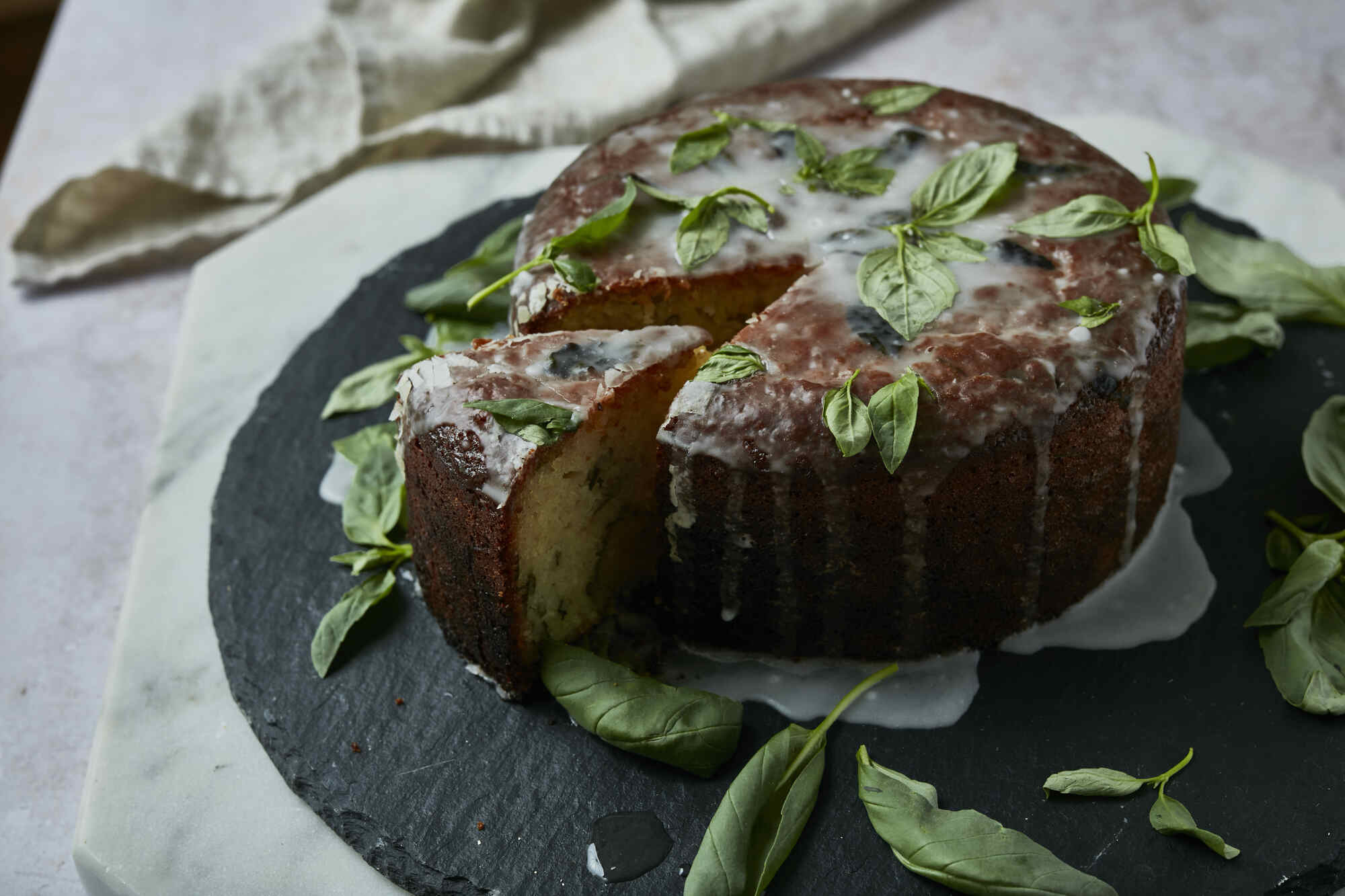
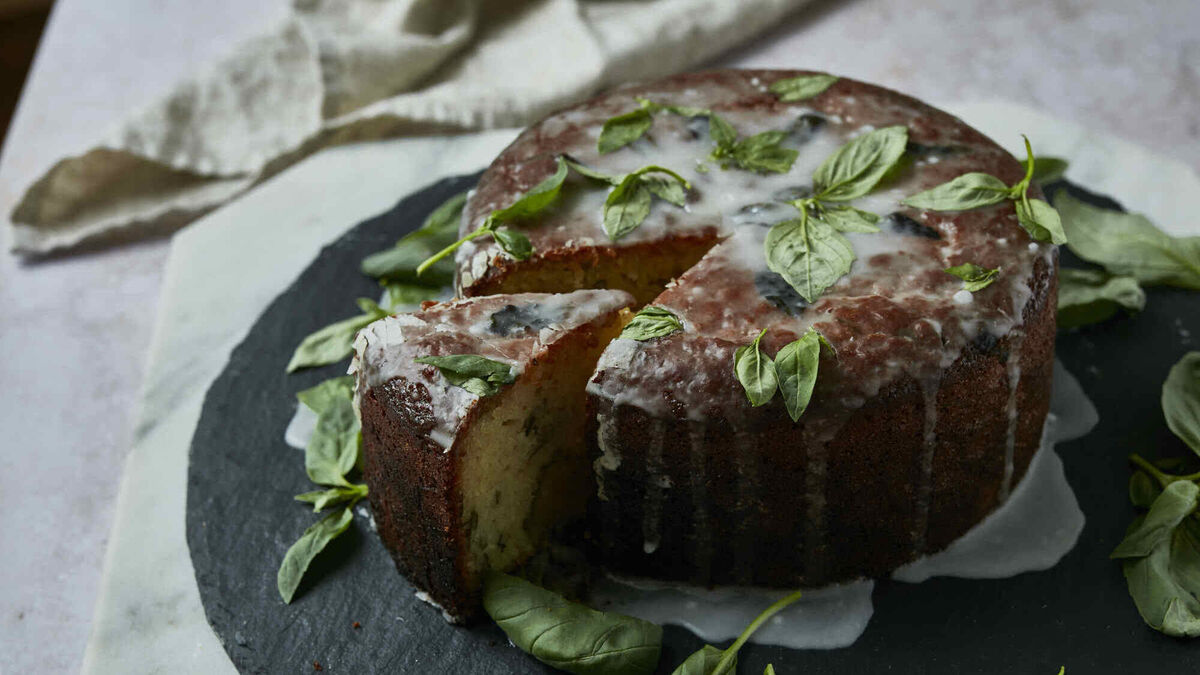
Basil and lemon cake is sure to be a family favourite. Photo: Bríd O'Donovan.

Basil is often people's favourite herb with many growing it in little pots on their windowsills. Indeed, it has long been considered the “King of the Herbs” – not only because of its popularity but also because the name “basileus” literally means “king” in Greek. Basil is native to parts of Asia and Africa and is thought to have been brought to ancient Greece by Alexander the Great from India. Basil has a long history of cultivation around the world and has been used as a culinary herb, aromatic herb, and ornamental herb for centuries. There are many, vastly different, religious legends and symbols associated with basil. In India, Hindus once buried holy basil (Ocimum tenuiflorum) leaves with their dead to help them get into heaven. It was once thought in Italy if a man accepted a sprig of sweet basil from a woman, he would fall in love with her. In the 1600s, the English hung basil in doorways to ward off unwanted insects and other pests like evil spirits.
Although not native to the Mediterranean, basil is of course most associated with Italy and Italian cooking. The most common variety of basil we use and grow is ‘Genovese’ or sweet basil. Italians say that Basil helps you have a restful “abbiocco” (after-lunch nap). We have now started making the excuse to eat basil for all our lunches just so we can avail of a delicious abbiocco afterwards. A summery lunch of ripe tomatoes with beautifully aromatic basil leaves followed by a restorative snooze - that has to be the definition of self-love.
The most useful variety is definitely Genovese but other common types which are good to grow include purple basil (less sweet than common basil), lemon basil (lemon flavour), and Thai basil (liquorice flavour).
Basil is easy to grow, but it only grows outdoors in the summer and only once the soil has warmed up nicely, so plan accordingly. In Currabinny we have only really successfully cultivated it in the greenhouse along with our tomatoes or in pots on a sunny windowsill.
If you’re planning on making pesto, grow several plants. For other uses, one or two basil plants yields plenty.
We use basil most commonly with tomatoes as they are perfect together both in the greenhouse and in the kitchen. There are, however, many other great uses for basil including in sweet desserts and cakes.
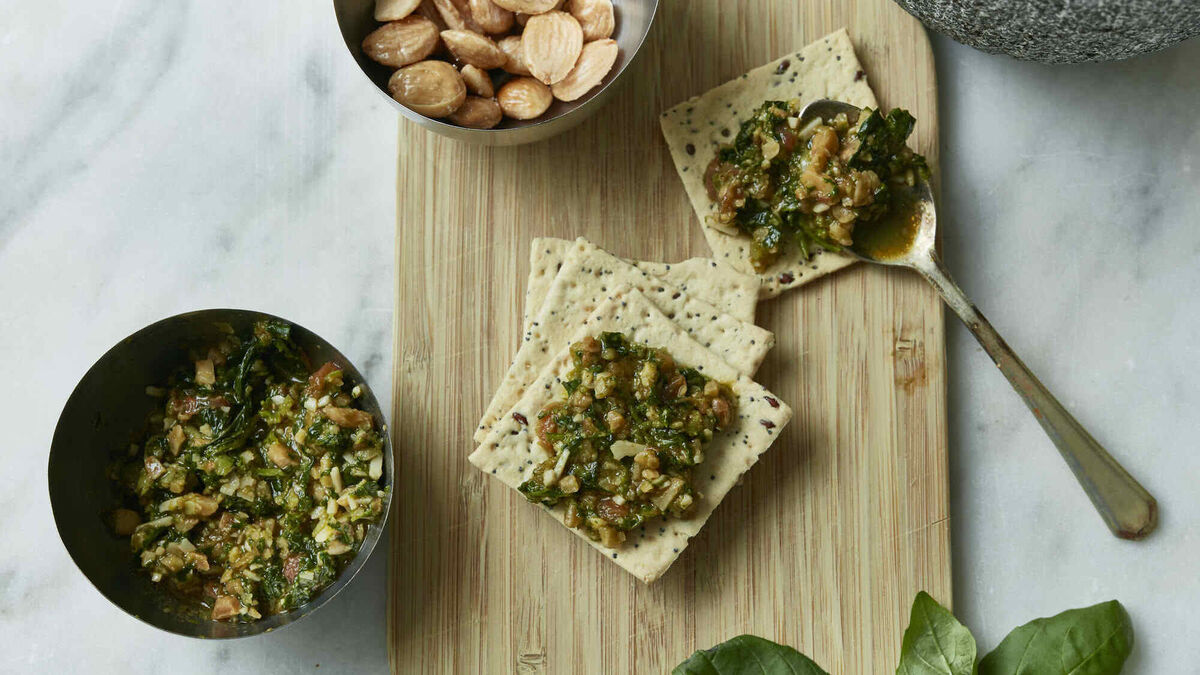
Pesto Trapanese
This is the Sicilian version of the more commonly known Pesto Genovese. The main differences are that you use almonds instead of pine nuts and there is the inspired addition of very ripe tomatoes. We generally make this in a large stone pestle and mortar
Servings
6Preparation Time
5 minsTotal Time
5 minsCourse
SideCuisine
ItalianIngredients
3 medium cloves of garlic
Pinch of sea salt
60g skinless toasted almonds
35-40 big basil leaves
Juice of half a lemon
250g of ripe plum or cherry tomatoes
60ml good quality extra virgin olive (Sicilian if you can get it)
100g Pecorino, roughly grated
Method
Place the tomatoes in a bowl and pour straight from the kettle boiling water over them. Leave for a minute and then drain or refresh with cold water. The skins should now easily slip off the tomatoes. Cut the peeled tomatoes in half and scoop out the watery seeds.
In a pestle and mortar bash the garlic with a pinch of sea salt and add the almonds, basil leaves and the juice of half a lemon. Add the skinless, deseeded tomatoes and bash them into the pesto. Drizzle in the olive oil towards the end. You are looking for a rough pesto with lovely bits of almonds and tomato still visible. We like to fold the pecorino in at the end instead of bashing it with the pestle as it tends to turn the whole thing into a creamy paste.
This is perfect with some linguine or in a sandwich.
Lemon and basil cake
Lemon and basil go really well together, transporting you immediately to some Mediterranean terrace where you will presumably be about to take a well deserved abbiocco. This cake is simple to make, lip smacking sharp and satisfyingly moist
Servings
10Preparation Time
10 minsCooking Time
50 minsTotal Time
60 minsCourse
BakingIngredients
2 large organic eggs
Juice of 2 lemons
120ml olive oil
200ml Greek yoghurt
180g caster sugar
250g plain flour
2 tsp baking powder
½ tsp bicarbonate of soda
Small handful of basil leaves
For the lemon drizzle:
Juice of 2 lemons
60g icing sugar
1-2 tbsp water
Method
Preheat the oven to 180°C/gas mark 4.
Break eggs into a large mixing bowls and mix with a whisk.
Add the lemon juice, oil, yoghurt and sugar and whisk until combined.
Place a sieve over the bowl and add the flour, baking powder and baking soda to the sieve.
Sift the flour mixture over the egg mixture, then use a spatula to blend the batter. Blend in the basil leaves with a spatula, reserving some for garnish.
Lightly oil an 8inch round cake tin with removable bottom and pour the batter in. Place in the oven for around 50 minutes. Check with a knife, if it comes out clean the cake is done.
Leave the cake cool slightly in the tin before removing it and placing it gently on a cooling rack.
Whisk together the ingredients for drizzle, vigorously so that all of the icing sugar has dissolved. Pour over the cake, poking the cake with a skewer all over so that the drizzle soaks in.
Serve with yoghurt or crème fraiche.
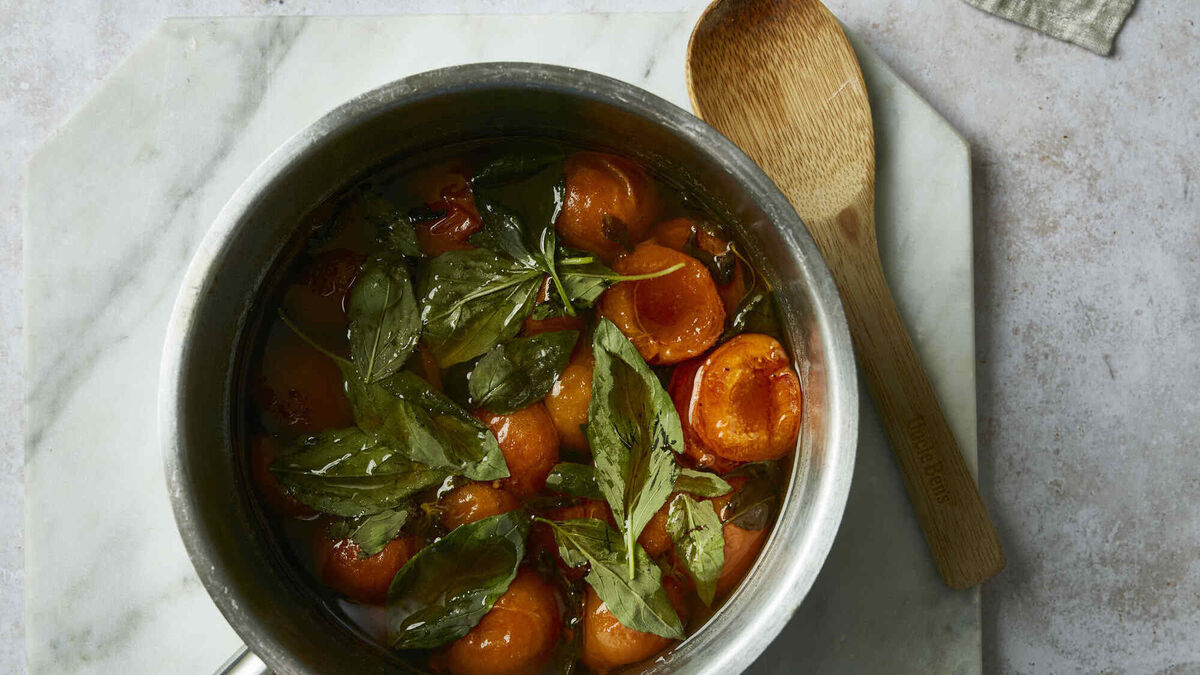
Apricots poached with basil
Basil makes a wonderful companion for fruit like peaches and apricots. These particular stone-fruits are so sweet and juicy, they benefit greatly from the addition of a more aromatic, complex flavour such as basil
Servings
4Preparation Time
10 minsCooking Time
6 minsTotal Time
16 minsCourse
DessertIngredients
200ml of white or rosé wine
300g caster sugar
1 large bunch of basil, leaves only
8 fresh apricots (or 6 peaches)
Method
Bring the wine, sugar and 500ml of water slowly to the boil in a large pot over a medium heat making sure all the sugar has dissolved. After 5 minutes of being at the boil, reduce the heat so that it is simmering gently on the stove top.
Half your apricots and remove the stones, they should come away from the apricot flesh very easily. If using peaches, you may have a little bit more trouble removing the stones without taking a lot of flesh away as collateral so do this with care.
Place the apricot halves in the simmering syrup cut side down along with most of the basil leaves (reserve a few to leave fresh for a garnish).
Poach the apricots for around 3 minutes before turning them over with a slotted spoon and continuing the poaching for a further 3 minutes until soft.
Remove apricots to a serving plate with a slotted spoon and leave to cool a little. Bring the syrup back up to a boil, leaving it bubble away until you reduce it by around half. Leave to cool to warm before pouring the reduced basil syrup over the apricots, garnish with some fresh basil leaves and serve with crème fraiche, ice-cream or mascarpone.