Currabinny cooks: Three ways to serve up versatile Halloumi cheese
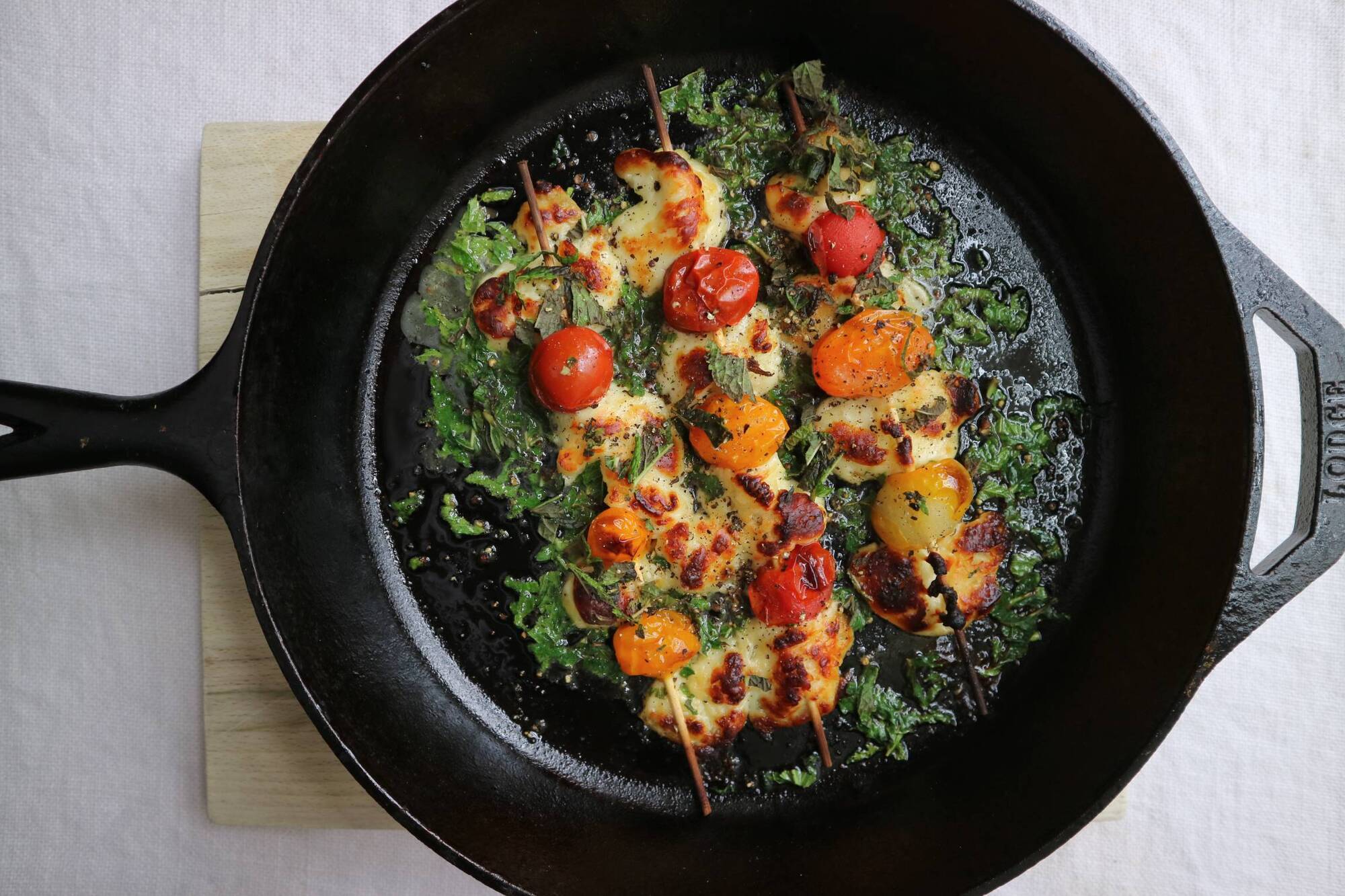
These halloumi skewers can be cooked on a barbecue or in the oven.

There is really nothing else in Irish food that compares to the radical and seismic progression of cheese, both in the range and quality of what is being produced. In many ways, it is cheese that can be blamed for kick-starting the whole food revolution which has taken this country over, transforming us from a place with a long-neglected and deeply troubled history with food to a place where quality produce and culinary innovation are in such brilliant abundance.
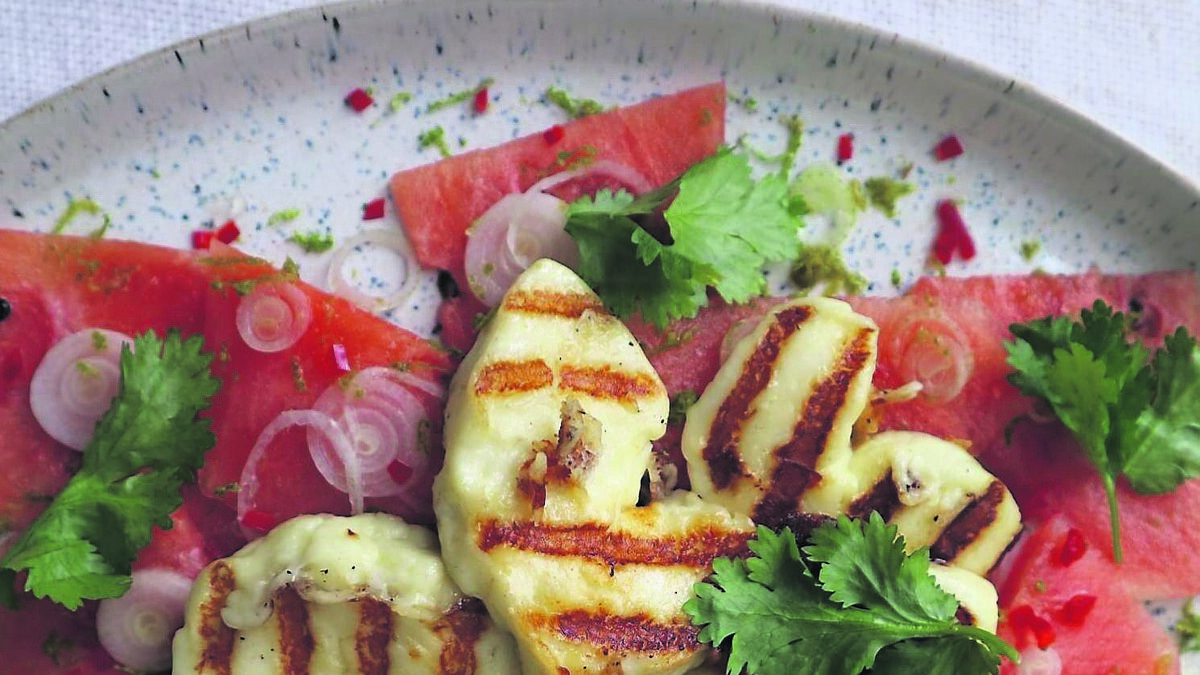
Halloumi with watermelon
This is a suprising combination of savoury and sweet that is as beautiful on the plate as it is to eat
Servings
2Preparation Time
10 minsCooking Time
5 minsTotal Time
15 minsCourse
MainCuisine
GreekIngredients
2 spring onions, white parts only, very thinly sliced
1 medium red chilli, deseeded and finely diced
400g watermelon, flesh sliced into small wedges
1 block of halloumi, cut into thick slices
Small handful of coriander, leaves only
Olive oil
2 limes
Method
In a mixing bowl, toss the watermelon wedges, sliced spring onion and diced red chilli together with a few tablespoons of olive oil until everything is lightly coated but not drenched. Cover and place in the fridge.
Slice the halloumi into nice thick slices and dry-fry on a very hot griddle or grill pan. Do this carefully so that the slices have nice dark golden to black charred lines on each side. Use a little olive oil if your pan isn’t non-stick.
Divide and arrange the watermelon salad between two serving plates and squeeze the juice of one or two limes over. Place some of the hot, grilled halloumi slices on top and garnish generously with coriander leaves.
Some time in the seventies, a small wave of continental pioneers ventured into the wilds of West Cork, often buying up small farms for simple living in contrast to the accelerating modernising going on in the rest of Western Europe. In their home countries of Germany, Holland and France, these new arrivals were used to a rich array of locally produced dairy and meat products with long histories of quality and provenance. Although we did indeed have our own rich history of cheese making, repeated invasions, disruptions and famines had caused this history to be lost. From the late 1950s to the 1970s the food production had become concentrated in large agribusiness cheese and meat processing factories. Realising they couldn’t go to the stores and buy the types of cheeses they loved, these new farm owners set about using the raw materials around them to develop their own.
Slowly, over the decades these original farmhouse cheese along with more and more newcomers have transformed this island into one of the most exciting countries for cheese in the whole world.
There is a whole array of different types, using different milk from cows, sheep and goats, both raw and pasteurised in styles both similar to those from the continent and some completely unique.
With the best quality milk and butter in the world, it is no surprise that our farmhouse cheese movement has produced some of the most celebrated and decorated cheese in the world, often beating the indigenous cheeses they were based on in continental Europe.
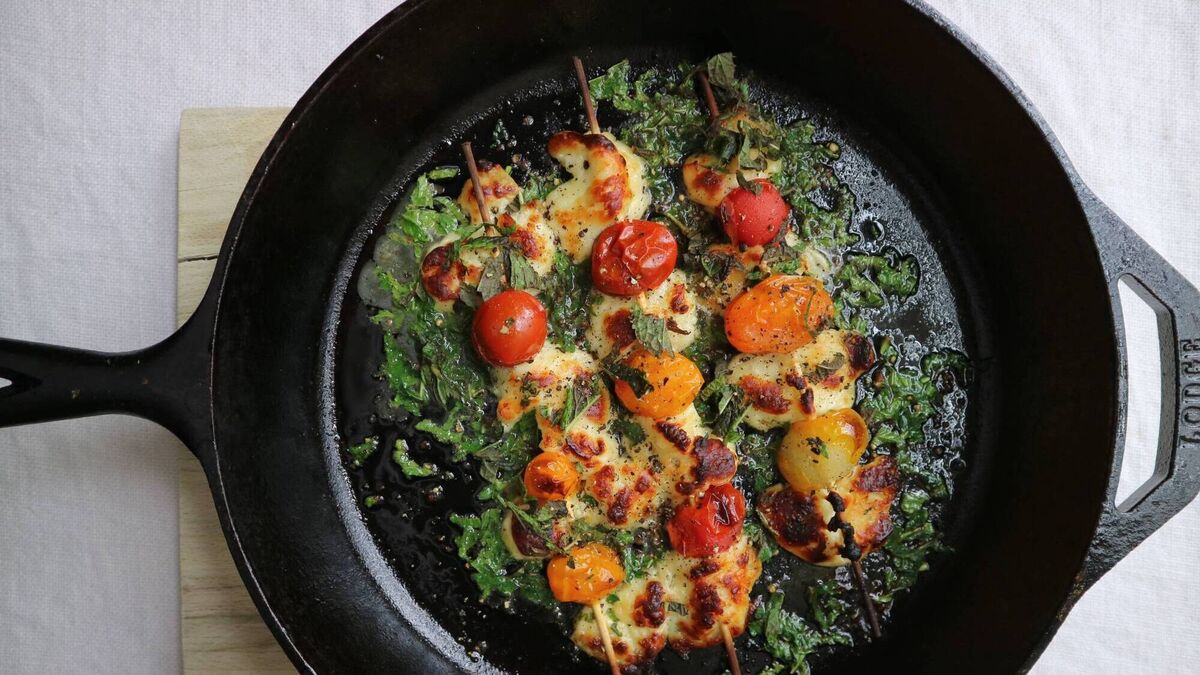
Halloumi skewers with cherry tomatoes
This is a really simple way of using Halloumi which is perfect for a summer barbeque. You can of course also make this on a griddle pan over a hob
Servings
4Preparation Time
5 minsCooking Time
5 minsTotal Time
10 minsCourse
MainCuisine
GreekIngredients
400g cherry tomatoes
2 blocks of halloumi, cut into thick bite-size wedges
olive oil
sea salt and black pepper
zest of 1 small lime
handful of mint leaves, roughly chopped
8 wooden skewers
Method
Thread each skewer with halloumi chunks and cherry tomatoes, alternating between the two, starting and ending with halloumi. Drizzle lightly with olive oil, especially on the cherry tomatoes.
Season the tomatoes with sea salt and black pepper. The halloumi is salty enough.
Heat a grill pan over medium-high heat until hot. Grill the skewers on the hot griddle, turning or flipping occasionally for around 5 minutes so that the halloumi has dark crispy grill marks on it and the cherry tomatoes are almost fit to blister and burst.
Remove from the pan and transfer to a serving plate. Using a box grater, zest the lime over the skewers and finally scatter the chopped mint all over.
Some of the more recent cheese adventures have been into more eastern Mediterranean and Middle Eastern cheeses like feta, labneh and Halloumi. I was recently introduced to my new favourite Irish farmhouse cheese, a delicious Irish Halloumi made in the traditional way and with pure sheep’s milk.
George and Hanna make their Halloumi from the milk of their sheep raised on their third generation hill farm Ballyhubbock in The Glen-of-Imaal, Baltinglass, Co. Wicklow. Halloumi is incredibly useful in the kitchen, being a truly solid replacement for meat in any dish. The following recipes may be very simple but they do show you the range of different ways you can use Halloumi and the different things it pairs well with.
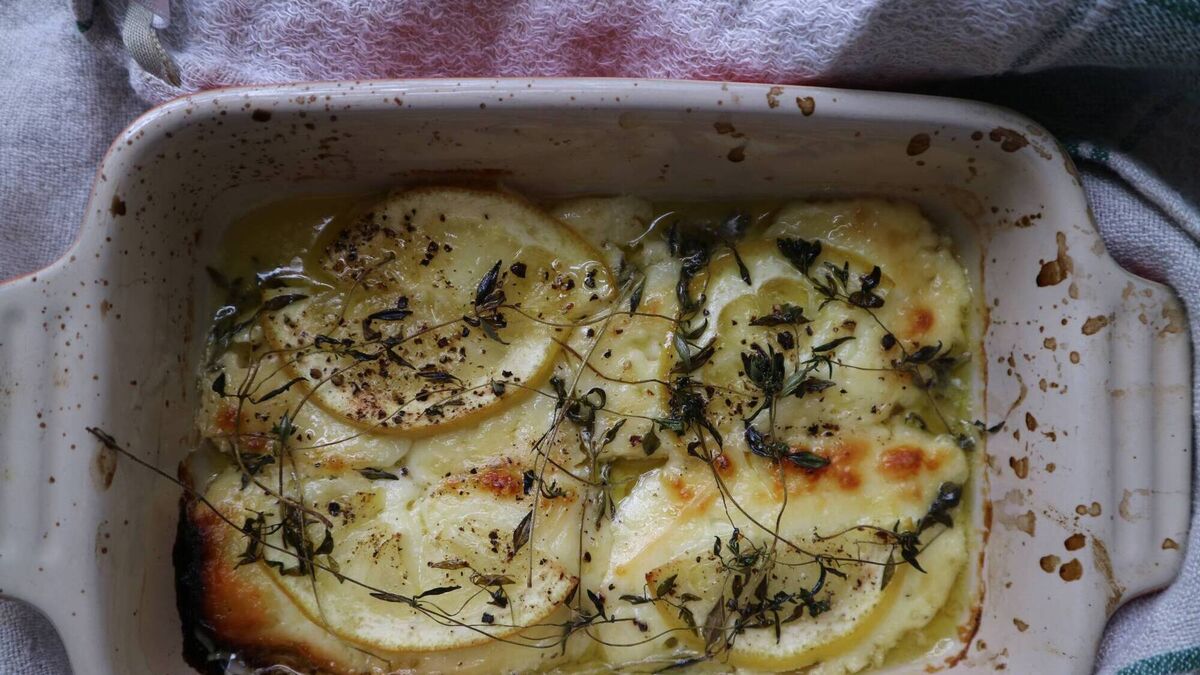
Baked Halloumi with lemon
This is a great way of preparing and cooking halloumi as an alternative to the usual frying or grilling
Servings
2Preparation Time
5 minsCooking Time
15 minsTotal Time
20 minsCourse
MainCuisine
GreekIngredients
1 block of Halloumi, cut into thick slices
2 tbsp olive oil
1-2 tsp honey
2 lemons
few sprigs of thyme
1 tsp pink peppercorns
Method
Preheat the oven to 200°C.
Place the slices of Halloumi in an appropriately sized casserole dish so that the slices fit neatly but not too tightly. Slice one of the lemons in half and squeeze the juice over the halloumi. Slice the other lemon very thinly and place these on top of the Halloumi slices. Drizzle over the two tablespoons of olive oil and one or two teaspoons of honey.
Arrange the sprigs of thyme on top and sprinkle some of the leaves all over the Halloumi. Place the dish in the oven, uncovered for around 15 minutes so that it starts to colour and caramelise.
Take out of the oven and garnish with pink peppercorns. We like to serve this either on its own as a starter with crusty bread or with some garlicky, buttery, lemony baby potatoes as a quick but delicious lunch or dinner.