Derval O'Rourke: Making the most of your food shop, plus a comfy butternut squash soup
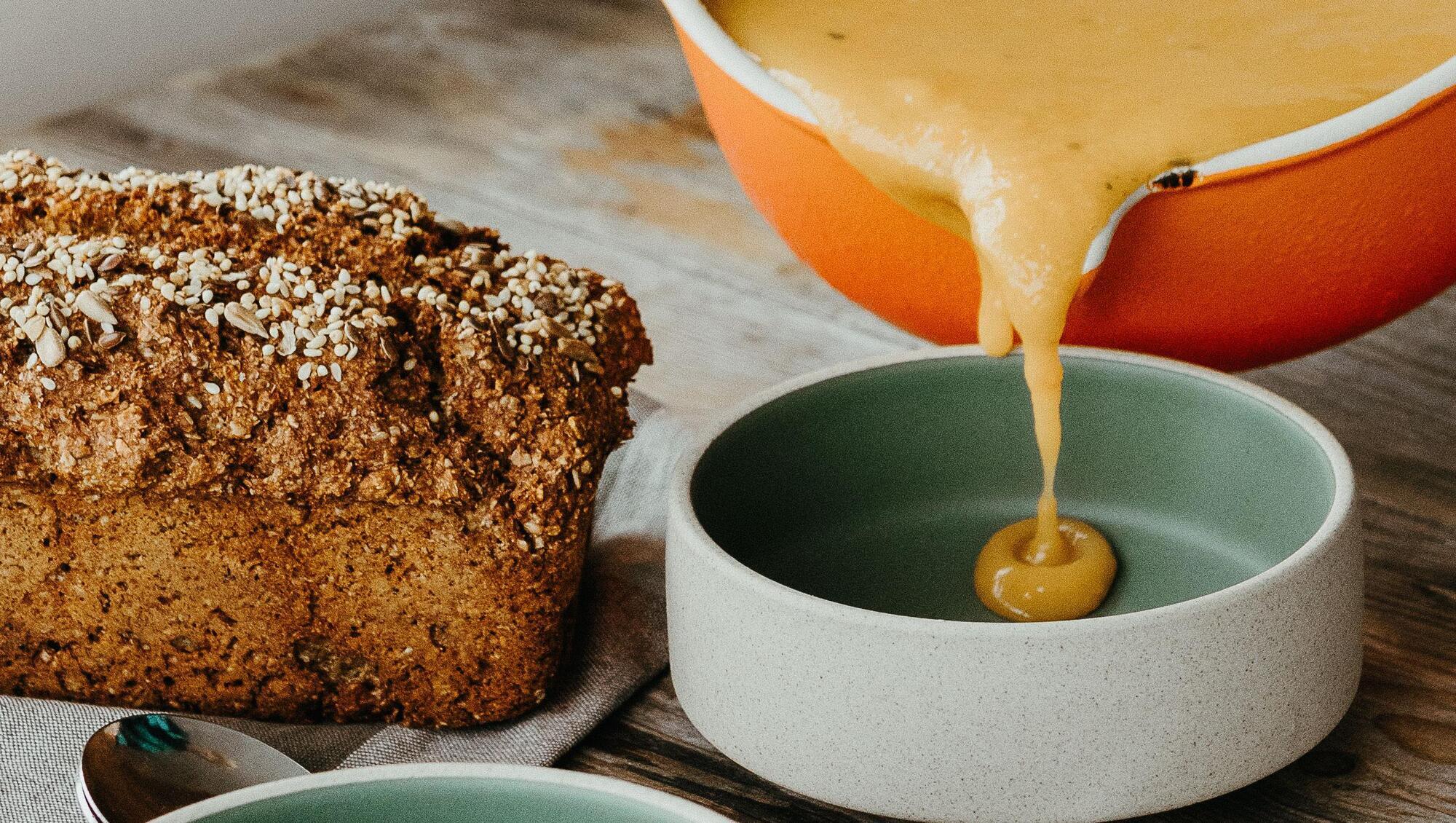
Ginger soup
This week I’m sharing my top tips for an efficient shop.
Now more than ever, it’s so important to plan your food shopping, so that you are in and out as efficiently as possible. Love it or hate it, the weekly food shop is part of most of our routines. I aim for one big restock at the weekend plus a few top-ups during the week for essentials.
Here are some of my top tips and tricks I use to help keep it as quick and seamless as possible.
- Having a notepad and pen hanging around the kitchen is so handy. During the week, if you notice you are running low on anything, pop it down onto the notepad. It makes it 10 times easier to create a shopping list and you’re less likely to forget about things you need. By the end of the week, the shopping list is almost made for you! On some mobile phones you can have a digital shopping list which can be shared with others to add or remove items — this is very handy for anyone who is more techy!
- Make a rough plan of what you will eat during the week. If your routine allows it, sticking to a meal plan can be a great way to save money and time.
- Check the cupboards to see what food you already have, and what you need to buy.
- Make a shopping list based on the ingredients for each meal — that way you’re more likely to stick to it and avoid filling your trolley with things you don’t need.
- Try online food shopping from time to time. It leaves you 100% in control of what goes into your basket and can be delivered to your door when it suits. (This was a lifesaver for me when I was a new mum.) But be mindful of times when other people may need those online slots more than you!
- Have a snack before you head out to ensure that your head does the shopping and not your stomach!
- Shopping with your little ones can make it very difficult. Honestly, I try hard to shop without the kids but when I do have them I hand them a punnet of berries and let them snack away while I shop.
- Avoid the ‘junk’ food aisle, you don’t need the temptation.
- Read labels and compare products. Look for short ingredients lists — ideally less than five — and avoid those with ingredients you can’t pronounce.
- Check use-by dates — one of my pet hates is coming home with products that are about to go off.
- Buy fruit and vegetables in season and try to source them locally. They will be cheaper and won’t have travelled thousands of kilometres to get to you.
- Frozen fruits and vegetables are equally, if not more, nutritious than fresh.
- Buy staple foods in bulk, for example, porridge oats.
- Tinned foods are a cheap addition to any store-cupboard and have a long shelf life. Beans, lentils, tinned fish such as salmon, mackerel, sardines, and tuna are cheap, tasty, and nutritious. I love tinned tomatoes and coconut milk, too. Always look for cans without added salt or other nasties.
- When it comes to meat, set yourself a budget and try to focus on quality over quantity. Try some veggie options or reduce the amount of meat in a dish by bulking it out with vegetables, beans or lentils. This is cost-effective, healthier, and better for the environment too.
- Shop around. I love going to the butchers, fishmongers, and farmer’s markets. Time well spent.

After you shop:
- Make things from scratch where possible. I make my own protein bars and energy bites in bulk at the start of the week, which means I don’t have to spend money on expensive ones.
- Be clever and use garlic and spices as a cheap way to transform ‘boring’ vegetables into delicious flavoursome dishes.
- Keep it simple. The majority of things I eat on a day-to-day basis cost little but make me feel amazing. Don’t feel that you always have to make something fancy as that can take more time and end up costing more.
I know the main food shop can be quite big and the bags can end up very heavy. If you are the kind of person who does a smaller shop throughout the week, see if it’s possible to walk to the shop to get some extra steps in that week.
Now that it’s starting to get colder, plan a few immunity-boosting recipes. Adding spices such as turmeric, ginger, garlic, and cayenne pepper into your meals can give yourself that extra bit of protection against cold and flu. Adding a spoon of Manuka honey is a great way to boost a cup of herbal tea.
10 minutes
45 minutes
6-8
- 1 medium onion, peeled and roughly chopped
- 750g butternut squash, peeled and cut into cubes
- 1 carrot, peeled and roughly chopped
- 1 stick celery, roughly chopped
- 3 cloves garlic, crushed
- 2 tbsp. olive oil
- 1 tsp. ground ginger
- 700 ml chicken or vegetable stock
Preheat the oven to 180°Celsius.
Place the onion, butternut squash, carrot, celery, and garlic in a large ovenproof dish. Drizzle 1 tbsp. of the olive oil over them, mix well, and place in the oven for 25 minutes.
Remove from the oven and transfer to a saucepan together with the remaining olive oil and the ginger. Fry for 1-2 minutes, then pour over the stock. Bring to the boil and simmer for 10 minutes.
Remove from the heat and blend with a hand blender until you reach your desired consistency. Ladle into warm bowls and serve with some buttered brown bread on the side.