New campaign to target falls from height with 21 farmer deaths in the past decade
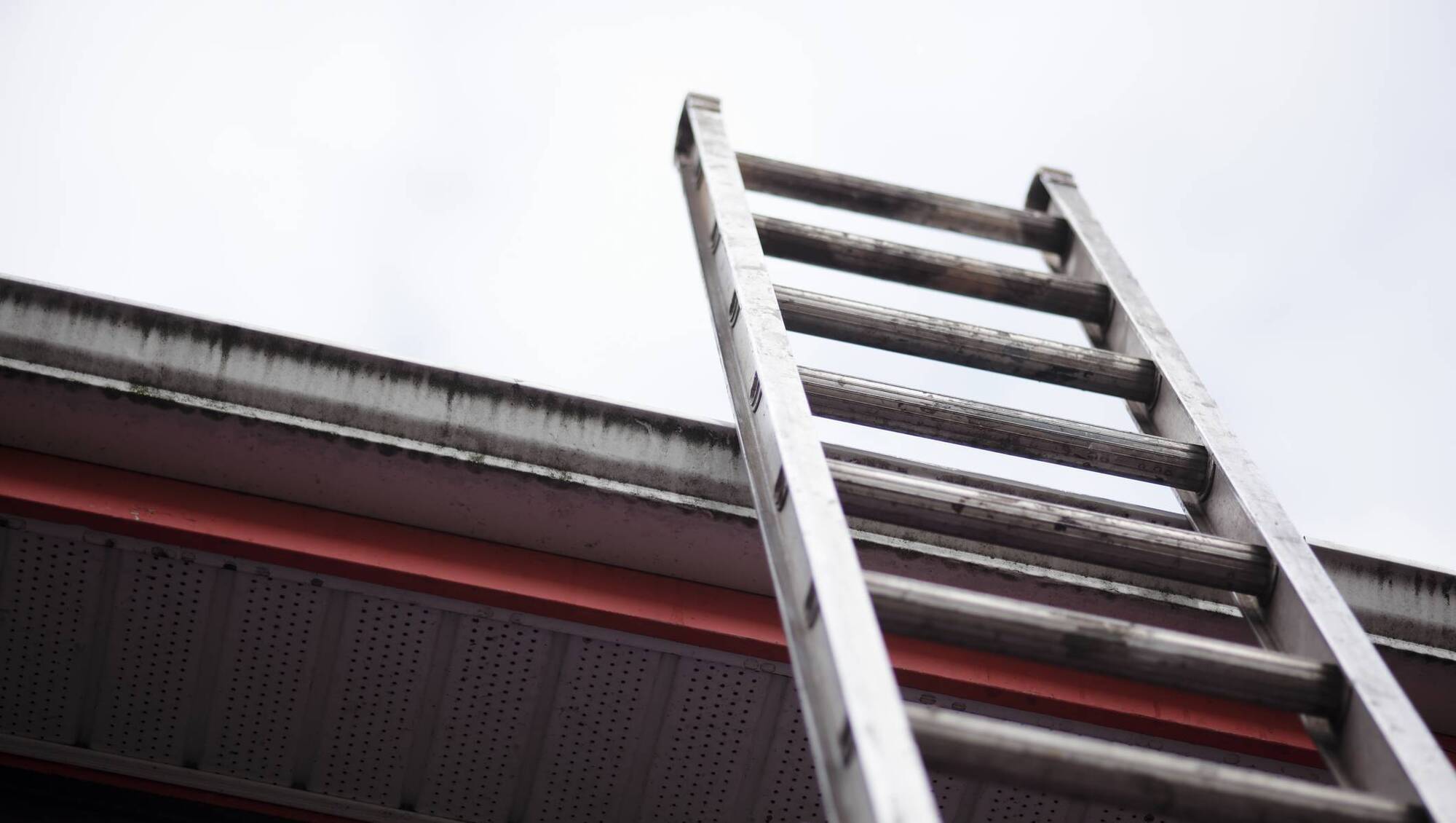
HSA is launching a four-week countrywide inspection campaign to highlight the risks that come with working at a height pose for farmers.
Over the past decade, 21 farmers have lost their lives falling from a height. October 5 marked the beginning of a four-week countrywide inspection campaign.
The campaign led by the Health and Safety Authority (HSA) will focus on working from a height in agricultural settings. The main hazards associated with working from a height include falls from ladders, unprotected edges of roofs or other structures, falls through fragile roof material and falls from stacked bales.
Senior inspector with the HSA Gerard Hartnett said farmers needed to be aware of the risks of working at height and plan before undertaking the work.
“A fall from a height can be catastrophic, leading to serious life-changing injuries or even death. All work at height must be risk-assessed to identify the controls required to ensure the task is carried out safely.
"Carrying out work without considering the risks involved can be devastating. It is quite often the quick job that catches people out,” he said.
Read More
Before working on a roof, farmers should check whether it is fragile or capable of supporting a person's weight. Particular attention should be paid to roof sections or materials that could easily break, shatter or give way.
A safe system of work must be used to remove bales from stacks. Farmers should avoid getting on top of bale stacks and use suitable bale handling equipment operated by a competent person to remove bales. Children must not be allowed to play on top of stacked bales.
HSA inspectors will be reminding farmers of the serious risks associated with working at a height and will advise farmers to carry out risk assessments in advance of any work done at a height and to plan a safe system of work and appropriate control measures such as MEWP (Mobile Elevated Work Platform), working platforms, adequate edge protection, among other measures.
Farmers are encouraged to use the specific advice and risk assessment provided in the ‘Working at Height in Agriculture Information Sheet,’ which can be found via the Topics page on the HSA website.
HSA inspectors will also be highlighting the ‘How to Make Construction Appointments for your Farm’ guidance document, which advises farmers on when they need to make appointments for construction work they plan to undertake.
It is a legal requirement to make sure appointments are made prior to construction work starting, and it follows an easy three-step process, which is covered in the guidance.
Benefits of making appointments for construction work on farms include:
- A reduced likelihood of accidents and incidents occurring during the project;
- Protection for farmers, as clients, by helping them comply with their legal obligations and reducing the risk of prosecution following a construction-related incident;
- Clear allocation of responsibility for managing health and safety on the project, with these duties assigned to the appointed Project Supervisor for the Design Process (PSDP) and Project Supervisor for the Construction Stage (PSCS).
“Storms and changes in weather can lead to more hazardous conditions for carrying out work at height, particularly when carrying out repairs on farm buildings.
"Where required, farmers should seek a competent contractor with the right equipment to carry out the work at height safely. We advise farmers to plan and make sure that work at height is only carried out with protective measures in place,” Mr Hartnett added.
Farmers are advised maintenance of a structure is considered construction work, and includes extensive legal requirements for construction work that must be complied with. When working with third parties, duty holders must ensure work is planned, managed and adequately supervised.