Paid farm work offers a route to agricultural qualifications
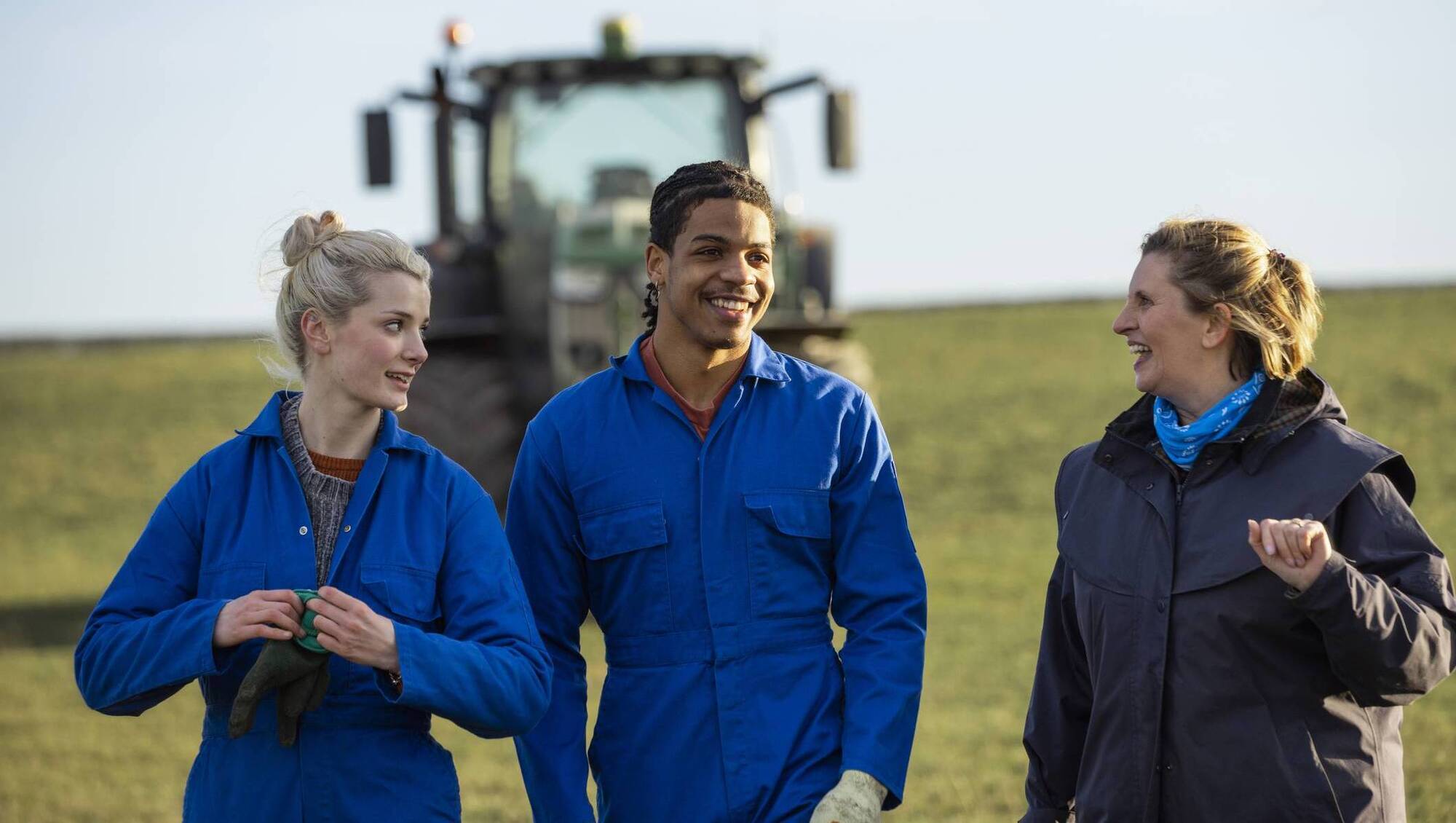
'Apprentices must get paid at least minimum wage, and that currently sits at €14.15 per hour. The apprentices will also get paid for their college days.'
Teagasc apprenticeships have brought “earn while you learn” to agricultural training.
“You are getting paid while you’re in education,” explained Dr Emma-Louise Coffey, programme co-ordinator of the Farm Manager Apprenticeship, in a recent webinar.
“You will get paid on the job, but you’ll also get rewarded financially by your employer when you’re in college. You have an annual leave entitlement. You’re also gaining a qualification.”
Kildalton College and Moorepark host the academic part of the Farm Manager Apprenticeship, while the Farm Technician Apprenticeship is delivered from Clonakilty Agricultural College.
But only about 20% of the two-year courses is in college — about 80% is on-farm work.
“Apprentices must get paid at least minimum wage, and that currently sits at €14.15 per hour. The apprentices will also get paid for their college days,” said Ms Coffey.
“They have an annual leave entitlement of 20 days of paid annual leave in the year, plus bank holidays, which equates to 30 days of paid annual leave in the year.
"Off the job, they will spend 40 days at college and that works out at approximately three to five days per month. There’s a shorter stint of block release in periods that are very busy on farms.”
“You will be in two years’ full-time employment. I would see the apprentices I work with typically working five days on, two days off. That is the real predominant roster at the moment, with an increase to six-one rosters during busy times such as spring calving and the breeding season,” she said.
“When you’re in college, there isn’t necessarily a full day of sitting in a classroom watching lecture slides, but there is an element of that. There are also skills practicals, a lot of discussion groups, learning from each other and from each other’s farms. We will have visits to industry such as AI stations, co-ops relevant to your specific enterprise, and some guest speakers.”
Read More
The apprenticeship model follows a continuous assessment-based format, based predominantly around project completion, with a few written exams at the end of the academic years.
Apprentices graduate with a nationally recognised qualification, while gaining valuable industry experience.
“At level 6, the Farm Technician, you will achieve a Higher Certificate in Technical Farm Operations. And with the level 7, you’re achieving an ordinary Bachelor of Science in Sustainable Farm Management,” Ms Coffey said.
“With both qualifications, you will get Green Certified.”
The Farm Technician Apprentice course provides practical and technical training in sustainable farm operations, business management, health and safety, compliance and enterprise management.
“In the level 7 Farm Manager course, there’s also a big focus on people management and financial literacy,” Dr Coffey said.
To sign up to the apprenticeship programmes, applicants can gain employment with a Solas-approved employer, meet specific academic criteria, and be aged 18 or over.
However, anyone with two full-time years of work experience in a land-based sector (such as farming, agricultural contracting, horticulture, forestry, aquaculture or the equine sector), who is deemed acceptable by their employer, can apply for the Farm Technician Apprenticeship.
Approved farmer employers can advertise on the Generation Apprenticeship website for apprentices.
Or apprentices can find their own employer farmer, and then come to Teagasc to register as an apprentice. Farmer employers must be willing to employ an apprentice for the two years of the course, and financially support the apprentice in college. A farmer interested in hiring an apprentice must become approved by Solas.
Usually, entrants to the Farm Manager Apprenticeship will have completed either the level 6 Farm Technician Apprenticeship or a relevant Llevel 5 and 6 course through an agricultural college.
Alternatively, there is a new entry route suitable for people coming to farming from other businesses. They need a major level 6 award, plus two years’ full-time experience in the land-based sector.