Kiwi dairy farmers land €200,000 windfall after €2.7bn Fonterra payout
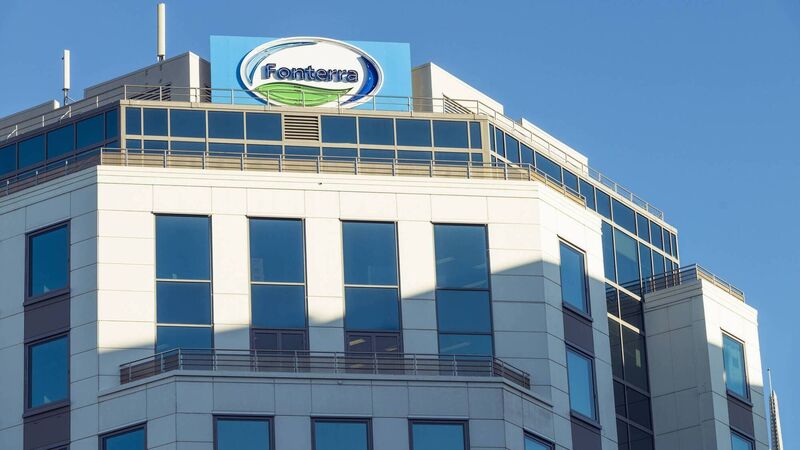
New Zealand firm Fonterra is one of the world's largest dairy companies, responsible for about 30% of global dairy exports, with annual turnover of more than €11 billion.
Christmas came in April for 8,000 dairy farmers in New Zealand.
Their decades of hard work have been rewarded by a windfall equivalent to €200,000, on average, following the recent sale of the Fonterra Co-op’s Mainland Group to Lactalis.
The co-op members’ share of the sale proceeds is the icing on the cake for dairy farmers enjoying a sustained period of strong on-farm profitability in New Zealand.
Each Fonterra farmer has been paid €325,000 on average by the co-op in April, consisting of the huge Mainland capital return, two dividends, and the regular monthly milk advance payment.
This has resulted in by far the biggest cash payday in New Zealand’s economic history. Fonterra paid out an estimated €2.7 billion over two days, April 14 and 15. Economists said this lifts New Zealand’s GDP by around 1%.
Some farmers have been a long time waiting for the Mainland bonanza, having started as sharemilkers in the 1970s, originally supplying the New Zealand Dairy Group, before its merger with Kiwi Co-operative Dairies, to form Fonterra.
Since then, Fonterra became the largest company in New Zealand, and the world's leading exporter of dairy products, responsible for about 30% of global dairy exports, with annual turnover of more than €11 billion.
About a year ago, Fonterra started the process of selling its Mainland Group consumer brand businesses, as a way to optimise returns for farmer-shareholders.
With annual sales of €2.5 billion, Mainland has extensive operations across Australia, New Zealand, and Asia. Well-known Mainland brands include Anchor butter, Kāpiti ice creams, and Mainland cheese.
Lactalis, already the world’s largest dairy company, based in France, emerged as the buyer, for a €2.11 billion price tag.
Last February, Fonterra shareholders voted overwhelmingly to return €1.6 billion (approximately €1 per Fonterra share) to shareholders and unit holders. The remaining €0.5bn will go into Fonterra.
The 98% of shareholders who supported the divestment of Mainland Group were happy with the deal, which enables Fonterra to continue as the raw material supplier to the new owner, Lactalis, and to concentrate on its core activities such as ingredients and business-to-business foodservice.
Reducing debt is likely to be a spending priority for many farmers greeting the windfall. The country’s average dairy farm debt is estimated at €10 per kilo of milk solids, so the €1 Mainland return amounts to roughly 10% of a farmer’s debt.
The money may go to build cash reserves in readiness for escalation of the Middle East conflict, blamed for doubling the price of diesel and increasing fertiliser costs, on top of cost increases which dairy farmers worldwide have felt over the last few years.
Deferred maintenance issues, and environmental compliance issues, will soak up more of the money, or it could be invested in succession planning, to fund departing older farmers and to set up newcomers.
Some will use the Mainland money to expand their dairy farms.
How to keep the payments tax-free will be an important consideration, which may limit any consumer spending binge by dairy farmers. The Midland payment is considered a return on investment rather than income or a dividend, so it is tax-free for Fonterra shareholders.
However, many New Zealand farmers operate as companies, and tax implications could bite if farmers spend their payments from the farm account on personal assets like property or holidays.
It’s usually more straightforward in New Zealand to take funds out for personal or other off-farm investments, if the farm is owned through a partnership or trust. But withdrawing money for personal use may require a company to declare a dividend, taxed at 33% to 39%.
Sensible spending may also be encouraged by Government incentives in New Zealand for purchasing new productive assets.