Brian Reidy: Planning for turnout — don't give up hope just yet
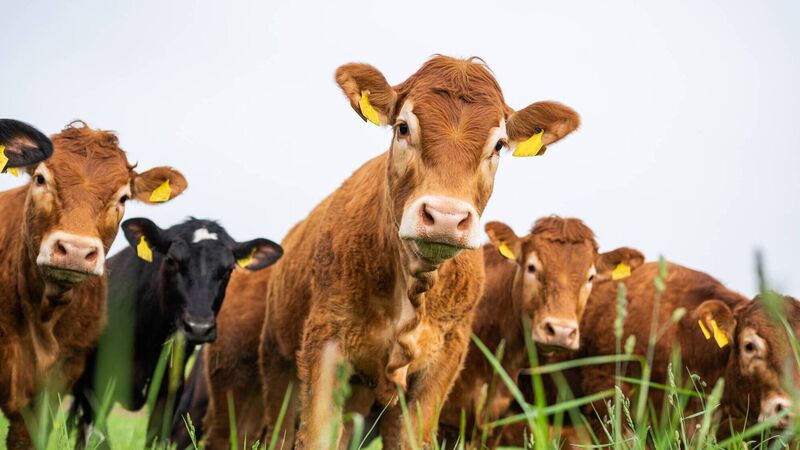
This year, there is added pressure to get stock out as there has been no opportunity to spread slurry since the opening of the spreading window, warns ruminant nutritionist Brian Reidy.
It is hard to blame farmer and cattle for looking out over the gate at this stage, longing for grazing to get going.
Last Saturday morning, my own herd made a gentle request to head outside, but they had a different idea on Sunday, unfortunately, with all of the heavy rain.
It may only be early March, and many beef herds would only traditionally be turned out later in the month, when they could be almost 100% certain to be able to remain out.
This year, there is added pressure to get stock out as there has been no opportunity to spread slurry since the opening of the spreading window.
Thankfully, most do have sufficient silage available if needed for a while yet.
There is plenty to do pre-turnout, as along with little slurry applied, virtually no nitrogen has been applied on grazing platforms either.
Fencing repairs have also been delayed and need attention before stock can stretch their legs.
Fresh calved suckler cows will be turned out to grass in the coming weeks, weather permitting.
There is decent cover of grass on most farms, and it is just a matter of when the conditions will allow cattle to be turned out.
It is a critical time in spring suckler herds as increasing grass intake quickly for both cow and calf will improve performance.
At turnout, the most important thing to monitor is grass intake and Rumen fill. Poor intakes of grass should be supplemented with forages or concentrates.
Now that you have calved the cow your attention must now shift to getting her back in calf again.
Most suckler cows will lose some body condition after calving, but this needs to be controlled in order to produce enough quality milk for the calf while also helping her to go back in calf quickly.
Grass quality and supply will determine if you need to supplement cows with additional forage or concentrates.
It is a lot of work and could cause damage in paddocks to attempt supplementing sucklers outdoors, particularly with current ground conditions.
Suckler cows going down with tetany is very common every spring. Grass is deficient in magnesium, and it is worth noting that cows are generally deficient in magnesium well before they go down with tetany.
A magnesium deficiency may result in poor saliva production and, subsequently, in poorer digestion of feed and lower production levels. Magnesium is a major macro mineral essential for performance in cattle.
There are many ways to supply sufficient magnesium to cows — some more effective than others.
This is probably the most common method of Magnesium feeding to suckler cows and works very well once buckets are always accessible. Some will use a high mag feed block to supplement grass and prevent tetany.
A popular method in wet weather, where cows drink less from troughs, it may not be as effective.
Some may feed a dairy meal to sucklers during times of tetany risk, particularly if grass is in short supply or if some ground is too wet and can’t be grazed
Be sure that you are using the most effective supplementation for your herd before you depend on any single method of Tetany protection.
As there is plenty of grass around, some may consider turning out dry cows before calving once ground conditions allow. This can backfire, as it is difficult to control cow condition at grass.
It is also a risk with regard to milk fever and held cleanings in older cows due to high potassium grass.
It really is a better idea to keep cows housed until calved as long as you have enough forage to do so.
Cows that calved last autumn should now be back in calf, and you really should consider scanning to see which cows are empty.
Plans should then be made for these cows to either be culled or interventions made to get them back in calf ASAP.