After the occupation: what Bord Bia must learn from its worst governance crisis
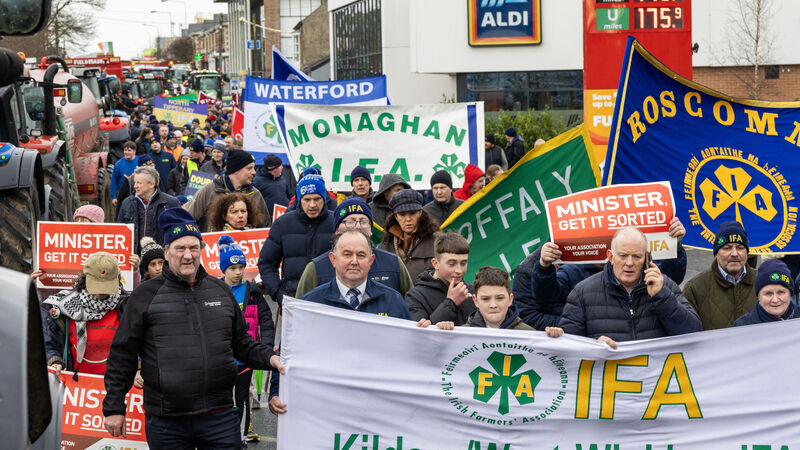
Language and optics were key accelerants on the Bord Bia fire, with protests escalating each time farmers felt their concerns had been mocked or ignored. 
After the occupation: what Bord Bia must learn from its worst governance crisis

Dismissive language accusing critics of being “emotional” or “overreacting” did nothing to resolve the matter... as anyone with a significant other will know, telling a partner to “calm down” rarely settles a disagreement.


The immediate drama of the occupation has ended, but the underlying issues remain: governance, trust, and, most importantly, farmer confidence in Bord Bia. A month-long palaver that realistically could have been resolved with a couple of frank, timely meetings.

While the dust might be starting to settle, there are serious questions to be asked about the entire scenario and how it escalated to the point that the national food promotion board faced its worst-ever breakdown in stakeholder relations.

In most clubs, bodies, and organisations, governance guidelines recommend that board members recuse themselves from discussions involving their own business interests, to avoid conflicts or the appearance of bias.

Yet, despite repeated calls for a board meeting to take place without him, Mr Murrin was present at all board meetings where the question of his company’s beef imports was raised.

Language and optics were key accelerants on the Bord Bia fire, with protests escalating each time farmers felt their concerns had been mocked or ignored.

Dismissive language accusing critics of being “emotional” or “overreacting” did nothing to resolve the matter... as anyone with a significant other will know, telling a partner to “calm down” rarely settles a disagreement.

With stances hardening and both camps — government and farmer stakeholders — jumping to polarised ultimatums, it was clear the only viable path forward was an independent review.

The review is unlikely to force radical change, but it does offer a valuable chance to reset, allow tensions to cool, and pause the conflict.

It will need to examine whether existing board members have conflicts of interest or whether policies around disclosure and recusal need tightening. It will also likely assess how the board handles risk, communications, and stakeholder engagement.

Even if Mr Murrin isn’t removed — which, given no illegality has occurred, seems unlikely — the review could potentially recommend formal rules limiting board members’ commercial activities or perhaps require stricter transparency.

The protests also highlighted a disconnect between Bord Bia leadership and farmers. If nothing else, the debate — and the way it has been handled — reveals the need for more regular farmer consultation and formal mechanisms for raising complaints or concerns.

Mr Murrin is neither a villain nor a martyr, but bigger questions remain.

Perhaps it is time that underlying systemic issues were reviewed, giving Bord Bia the chance to modernise governance and improve stakeholder engagement. This story isn’t just about one chairman or one protest - it is about the need for transparency and accountability in institutions representing farmers’ interests.

For Bord Bia to rebuild trust, for farmers to have a stronger voice via the Farmers Forum, and for governance reforms to set a precedent in the agri-food sector, this review could be a pivotal moment.

x

More in this section

Farming

Newsletter

Keep up-to-date with all the latest developments in Farming with our weekly newsletter.

Cookie Policy Privacy Policy Brand Safety FAQ Help Contact Us Terms and Conditions

© Examiner Echo Group Limited