Herd Tasks: Your weekly farming checklist
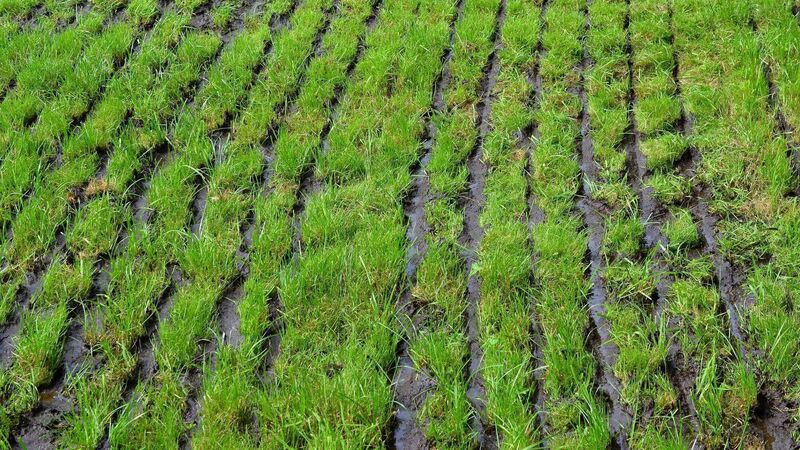
Brian Reidy warns that thick slurry out of dribble bars can cause high ash content in silage crops.

- Get your spring grazing plan in place.
- Will it be possible to get slurry out on silage or grazing ground without tainting the swards?
- Water slurry down as much as you can if you must apply it to covers of grass.
- I am seeing far too many silages with high ash content over the last few years. Some is from clay due to a bad mower, rake, or tedder setup, while the remainder is from thick slurry out of dribble bars.
- Check stock for lice — many sheds have lice at present despite treating earlier in the winter.
- Driving intake should be a priority to boost milk and fertility performance in fresh cows.
- Supply fresh cows with the best quality forage you have on the farm and balance with a sufficient volume of an appropriate concentrate.
- Introduce cows slowly to grass and increase allocations each day for a week before leaving them out between am and pm milking.
- If dairy cows go up in milk when turned out to grass, then you seriously need to reassess your indoor milking diet, dry cow feeding, and forage production strategies.
- Don’t forget magnesium supplementation for suckler cows with calves once they finally get to grass.
- Is your dry cow mineral the right one for your farm?
- Are cows cleaning quickly post-calving?
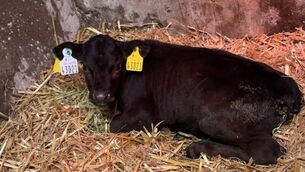
- Are newborn calves lively and healthy?
- Get calves off to the best possible start with a good supply of colostrum.
- Lazy drinkers should be stomach-tubed, if necessary, within the first four to six hours. Bigger calves and particular breeds may require more help than others.
- If you have vaccinated cows, then the full benefit will not be transferred to the calves if sufficient colostrum is not consumed in time.
- Well-grown weanlings have a significantly better capacity to consume grass once turned out and, as a result, gain weight cheaply. This will also make it easier for replacement heifers to reach the target size for breeding.
- Many have introduced beet to their finishing diet lately, as it has become available quite easily around the country.
- To optimise performance, beet really should be washed and ideally chopped every three days or less in order for it to be as fresh as possible.
- Beet should be introduced slowly and increased in a controlled manner to your target volume.
- Fibre is important when balancing beet, and a mineral balancer is also critical to achieving animal performance.
- Work out beet’s value per tonne of dry matter versus alternatives such as rolled barley and maize meal before buying.
Read More