Brian Reidy: Why feed space, water, and cubicles matter for early lactation
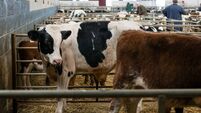
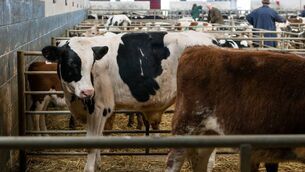
Fresh cows, and heifers in particular, are the most vulnerable and least competitive animals in the milking herd. They tend to avoid situations where they must compete for feed, water or cubicle space, and this avoidance reduces overall intake.
Following on from last week, when I covered how achieving high dry matter intakes in early lactation benefits a herd throughout the entire lactation, it is worth examining other on-farm factors that can significantly influence intake.
One of the biggest influences on fresh-cow intake is feeding management. How often, and how consistently, are cows fed? Is the system ad-lib silage with parlour feeding, or a total mixed ration (TMR) approach?
Forage clamp management is also critically important, as good pit face management ensures fresher, more palatable feed is presented to cows.
Fresh cows, and heifers in particular, are the most vulnerable and least competitive animals in the milking herd. They tend to avoid situations where they must compete for feed, water or cubicle space, and this avoidance reduces overall intake.
Adequate space at the feed barrier is therefore critical, as is the design and construction of the barrier itself. The type of barrier required will depend on the feeding system in place. Where diet feeding is used, slightly less barrier space is required than in systems where concentrates are top-dressed.
Clean water plays a vital role in encouraging feed intake. Cows that drink clean water will drink more and, as a result, will eat more. Water troughs should be cleaned out regularly and inspected several times per day.
Some troughs are positioned where they are more prone to contamination from dunging, and consideration should be given to relocating these where possible.
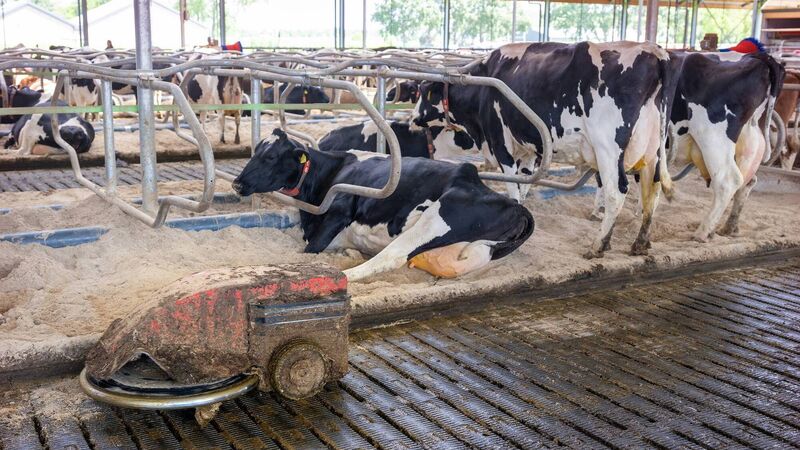
As is well known, cows are at their most productive when they are lying down and chewing the cud. With this in mind, a critical component of feeding management is providing a clean, dry cubicle for every cow, with a few spare spaces ideally. It is unrealistic to expect optimal herd performance if there is not at least one cubicle per cow or heifer in the shed.
Beyond availability, cubicles must be fit for purpose. Too many sheds have cubicles that are incorrectly set up for the cows using them. One commonly used measure of cubicle suitability is the volume of dung that needs to be removed daily. While some dung on cubicles is unavoidable, excessive contamination often points to design issues.
More than 35% of most herds are first- and second-calvers, which are smaller than mature cows. These animals tend to lie further forward in the cubicle and, if they dung while lying, it will remain towards the back of the cubicle.
Moving neck rails to prevent this may improve cleanliness, but it can compromise comfort for mature cows using the same cubicle setup.
Where there is no dung on cubicles, it is often an indication that mature cows are perching or edging over the back of the cubicle. This lack of comfort can increase the risk of injury and reduce productivity.
In these situations, it is not uncommon to see sores on cows’ back legs from rubbing against cubicle edges, or cracked tails from being stood on by herd mates or caught in scrapers.
As a rule of thumb, if cows spend more than a minute standing on a cubicle undisturbed without lying down, they are unhappy with the cubicle design
For most Irish dairy herds, a diagonal measurement of 81–82 inches from the outside of the neck rail to the back edge of the cubicle mat is appropriate.
Some pointers to optimise feed intakes:
- Keep fresh feed available for at least 22–23 hours per day;
- Regular feeding every day is essential to maintain intake and routine;
- Where possible, avoid putting out feed for cows for more than a day at a time to ensure optimum freshness;
- Push up feed as often as possible to encourage repeated visits to the feed barrier;
- Provide at least 20–24 inches of feeding space per cow;
- TMR feeding systems require slightly less space;
- Top dressing requires more space, as every cow must be able to eat at the same time;
- Deliver feed at the same time each day wherever possible;
- Consistency reduces stress and bullying, as cows perform best with a routine;
- Manage silage pits carefully to ensure optimum freshness at feed-out;
- Use a shear grab to reduce pit surface area and minimise losses;
- Clean feed troughs or feed passages regularly as required;
- Never place fresh feed on top of old or stale feed, as this spoils the new feed and depresses intake. Cows will spend excessive time sorting and selecting;
- Old, stale feed can contribute to mycotoxin burdens within the herd;
- Keep fresh, clean water available at all times;
- Clean out water troughs daily where possible. Many tip-over troughs have been installed specifically for this purpose;
- Brush troughs regularly to prevent the build-up of slime, which harbours harmful bacteria;
- Position water troughs in easily accessible areas where cows are not bullied or trapped. Avoid dead ends or locations too close to the feed barrier;
- Monitor feed refusals carefully. Fresh cows should refuse approximately 5% of feed daily;
- Remove stale feed after 24 hours and replace it with fresh feed to stimulate intake.
If excessive feed is offered one day, note volumes and reduce accordingly the following day to minimise waste.
Consider the full ration
When increasing or decreasing feed supply, consider the full ration rather than automatically reducing the most expensive ingredient.
In some cases, reducing silage may increase total energy intake per kilogram of dry matter consumed and improve herd health and performance.
Optimising feeding management and facilities in the first two to three weeks after calving can significantly improve dry matter intake.
This supports fresh cows in achieving optimum performance and profitability throughout the entire lactation.
Cows that transition smoothly into lactation and reach peak yield experience fewer metabolic disorders, remain healthier, produce higher-quality milk, and are easier to get back in calf — all of which directly drive profitability.
- Brian Reidy is an independent ruminant nutritionist at Premier Farm Nutrition.