Brian Reidy: Act fast with any calving, cow and calf issues
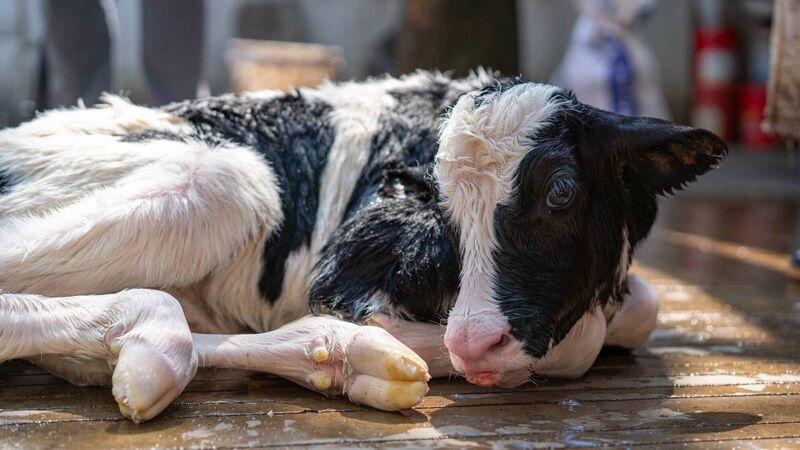
Young calves showing signs of pneumonia have been an issue in recent days. File picture

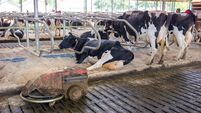
Calving in spring herds is in full swing on both dairy and beef farms, with many well over the halfway point. Some have encountered scour in young calves this past week as temperatures have risen and bugs circulate more readily in sheds.
Where possible, keep older calves away from younger ones, as contact is a significant source of infection transfer.
Keep calf beds clean and dry with plenty of straw. Ensure calving boxes are cleaned out as often as possible, limed and disinfected.
This may not always be feasible when large numbers of calves are being born. The next best option is to provide a fresh, deep bed of straw after each calving.
Young calves showing signs of pneumonia have also been an issue in recent days. Check that ventilation in calf sheds or creeps is adequate and ensure there are no draughts directly on calves.
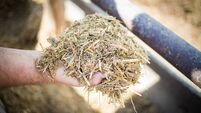
Changing from one silage to another within the same pit, moving to a different pit, or feeding different batches of bales is proving challenging on some farms this spring.
Different mineral profiles in these silages are altering the metabolic status of cows at calving, resulting in retained cleanings and cases of milk fever.
Act quickly when one or two cases appear, as the issue is unlikely to resolve without intervention.
Prevention remains better than cure. Assess and adjust the dry cow diet rather than reacting after calving when cows are already down and require bottles and boluses.
Increase magnesium levels using a more available source, increase straw and reduce silage, while adjusting protein to maintain intakes. Once calved, ensure calcium intake is sufficient to support early lactation requirements.
Move to silages made from swards that received little or no slurry. Coastal farms face the additional challenge of higher sodium levels in silage, which complicates matters further. While unavoidable, this must be addressed through dietary adjustments.
With concerns about forage supply and stocks depleting rapidly in some areas, alongside ongoing slurry challenges, little to no grazing has taken place nationally.
There is plenty of grass in fields that needs to be grazed off to stimulate growth for the year ahead. However, many areas remain waterlogged, and several dry days are required before grazing in 2026 can properly commence.
Earlier turnout would also allow slurry to be applied on the grazing block, reducing fertiliser requirements in the spring.
Few farms have applied the first round of nitrogen. These combined factors are likely to delay the onset of strong growth and reduce overall seasonal output.
- Brian Reidy is an independent ruminant nutritionist at Premier Farm Nutrition.