Herd Tasks: Your weekly farming checklist
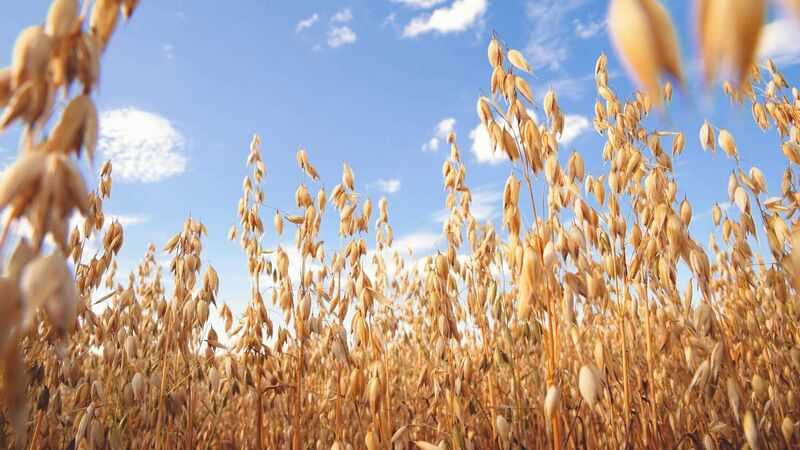
Native barley and oats continue to offer good value and will improve fat cover, advises Brian.
- Put your spring grazing plan in place before turnout. Set targets for progressing around the farm, but avoid pushing cows to grass at the expense of energy intake needed to meet performance targets. There is still time before the start of the second round, so if the first round is delayed, do not panic.
- Inspect water troughs before turnout and clean where necessary.
- Slurry application: avoid spreading heavy volumes on advanced swards, as this reduces utilisation at grazing.
- Put a fertiliser application plan in place. Most farms have yet to spread fertiliser. Apply as soon as conditions allow, as ground will respond well with longer days and improving growth.
- Soil temperatures are well above five degrees, with some recording close to eight degrees.
- Some herds are experiencing lice issues despite two treatments. Increased scratching and tail swishing in sheds are common signs.
- Driving intake should be the priority to support milk yield and fertility in fresh cows.
- Provide the highest quality forage available and balance with an appropriate level of concentrate.
- Introduce cows gradually to grass, increasing allocations daily for at least a week before leaving them out between am and pm milking.
- Do not forget the magnesium bucket when cows and calves go to grass. The recommended rate is one bucket per 20 cows.
- If turning cows and calves out soon, continue monitoring calves suckling. Provide shelter for the first few days and nights.
- Continue feeding dry cows the appropriate mineral and monitor body condition to prevent over-conditioning on high-quality silage.
- Ensure calves receive an adequate supply of colostrum. Slow drinkers or calves following a difficult calving should be stomach-tubed within the first few hours, if necessary. The same applies to dairy calves left with their dams for the first feed. Where cows have been vaccinated for scour, full protection will only transfer if sufficient colostrum is consumed promptly.
- Cattle that commenced finishing in early December should now be approaching finish.
- Stock that commenced finishing in mid-December will benefit from increased dietary energy to achieve the final finish over the coming month.
- Native barley and oats continue to offer good value and will improve fat cover. Ensure rations are correctly balanced to avoid digestive upsets.