Farmers pessimistic about TB eradication in 10 years' time, survey says
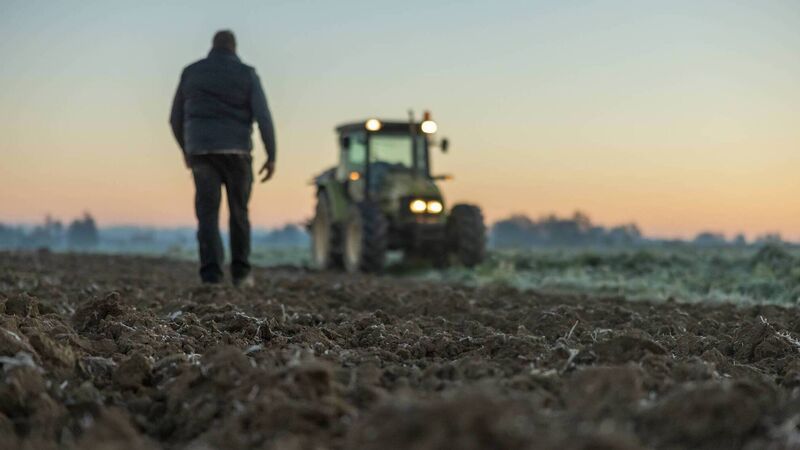
Also found through the research was the frustration farmers felt about the perceived length or complexity of official communications regarding the disease. File picture
A recent survey revealed that most farmers were pessimistic about the likelihood of bovine TB being eradicated within the next 10 years.
The research, conducted by the Economic and Social Research Institute (ESRI), found that a farmer’s beliefs about the effectiveness of biosecurity measures are the strongest indicator of whether they partake in TB prevention actions and behaviour.
The research included interviews with 60 farmers across Ireland, followed by a survey which included 824 participants.
A dominant theme as a result of the research was the mental toll that TB takes on a farmer, as well as a reported feeling of fatalism regarding the prevention of the spread of the disease.
Also found through the research was the frustration farmers felt about the perceived length or complexity of official communications regarding the disease.
It was discovered through the survey that the perceived effectiveness of preventative or biosecurity actions was the strongest predictor of whether a farmer actively engaged and implemented them. Knowledge of TB, awareness of the recommended actions and previous experience with TB were not associated with biosecurity behaviour.
“These findings suggest that communications about biosecurity need to demonstrate the effectiveness of specific recommended measures,” said lead author of the report, Dr Deirdre Robertson.
The actions perceived as the most effective by farmers included keeping a close herd, stopping cattle accessing badger setts, fencing boundaries and buying from herds with a recent TB test. Most (80%) of farmers sampled thought that it should be mandatory to provide information on the TB history of the herd when selling.
The top-ranked barriers to eradication were perceived to be too little culling of wildlife and purchasing from herds with a history of TB.
The research found that a combination of different actions, including changes in behaviour, infrastructure and knowledge were perceived to be the most worthwhile and risk-reducing measures.
The study concluded that communications should focus on evidence-based narratives about the effectiveness of recommended measures while avoiding lengthy or overly technical material. Supporting peer-to-peer engagement and transparency around herd TB history could also be helpful.
Commenting on the research, the minister for agriculture, Martin Heydon, said: “This important piece of work provides significant insights into farmers' behaviour on the effectiveness of biosecurity measures in preventing bovine tuberculosis (bTB).
"My department will apply the findings of this report to the TB programme as we move forward with the implementation of the bTB Action Plan this year.”