What the UK wants to learn from Irish farming institutions
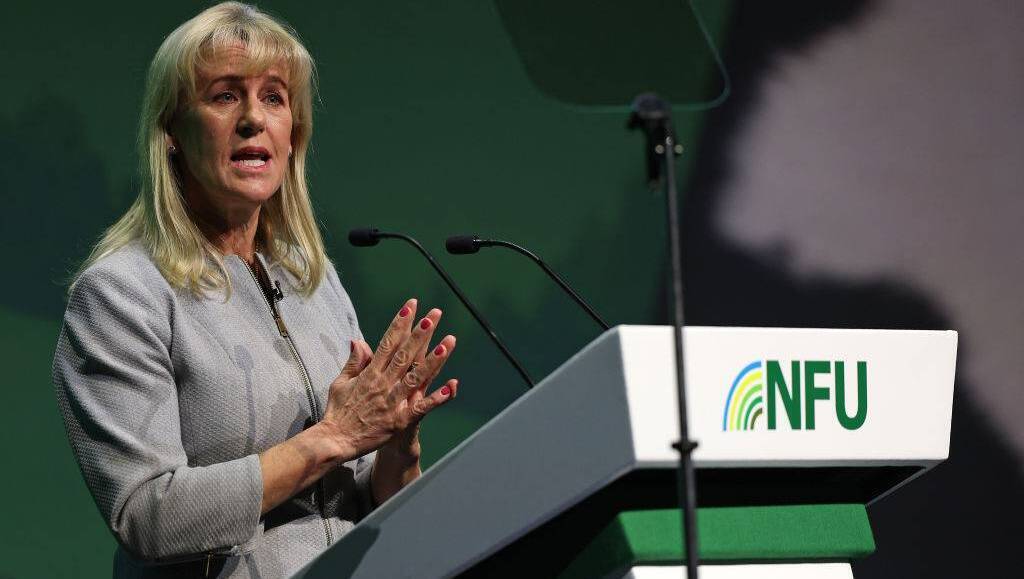
Former National Farmers Union president Minette Batters' review says the government-farmers partnerships in New Zealand and Ireland are not just important, they are essential.
Often taken for granted in Ireland, Teagasc and Bord Bia are respected overseas, and have been held up as examples for the UK to follow, in the country's new Farming Profitability Review by Baroness Minette Batters.
The 154-page review with 57 recommendations for a "New Deal for Profitable Farming" is peppered with references to how a meaningful national plan and partnership with government works for farmers in New Zealand, Australia, the USA and Ireland.
The message from the former president of the National Farmers' Union of England and Wales is that the government-farmers partnerships in New Zealand and Ireland are not just important, they are essential.
One of her recommendations for British farming is to develop a single centre for advice, skills, and farming’s engagement with research and innovation "like Teagasc in Ireland".
Bord Bia and Teagasc, and the NZ Ministry of Primary Industries were consulted during the farm profitability review, which Ms Batters was invited to lead.
Ms Batters said the UK must develop the same collaborative and partnership culture at all levels, as in New Zealand and Ireland, to develop and capitalise on market growth, alongside a shared vision for farming to provide direction and investment confidence.
She also envisaged a Great British farm advisory board, similar to Bord Bia.
The Batters review includes case study descriptions of Teagasc and the Green Cert.
It was noted the Irish Government provides funding because it recognises the vital role of Teagasc, addressing public goods like health and safety, the environment, and animal husbandry.
"Its research has had significant impacts on the Irish economy, with technological innovation particularly benefitting agricultural producers and consumers."
Also highlighted was the Teagasc website having no paywalls, and the 500-plus largely free Teagasc events each year to ensure everyone has access to information and advice.
The Green Cert for young and new farmers, those inheriting or managing farms, and those seeking access to grants, was praised for ensuring learners are aware of current rules and regulations for compliance and best practice.
The point was made there was no equivalent scheme in England, in part due to the absence of a centralised agricultural education and advisory body.
The review recommended a pilot Green Cert-style scheme in England in collaboration with the Department for Environment, Food and Rural Affairs.
Minette Batters started farming on 300 acres as a tenant in South Wiltshire with a small suckler herd 25 years ago.
Now, the family has spring and autumn calving sucklers alongside spring barley and pick-your-own flowers, plus a wedding venue and holiday cottages.
She was the president of the National Farmers' Union from 2018 to 2024, and has been a member of the House of Lords since 2024.
She says quick wins for British farming could include fixing the planning system, allowing on-farm reservoirs, and improving access to finance for farmers, alongside effective tax reliefs.
But British farming has had nine years of significant instability, including the major Brexit changes.
Extra environmental demands, labour shortages, weather extremes, a sharp rise in costs, a stop-go Sustainable Farming Incentive Scheme, and changes to inheritance tax, are among the setbacks which have left some farmers, particularly in the arable sector, questioning viability, let alone profitability.
However, the Labour government's commitment that food security is national security is welcomed as an important first principle that needs to be implemented and embedded.
The review calls for a new deal that recognises the true cost of producing food, and of delivering for the environment.