Mercosur has shattered farmers’ trust — safeguards won’t fix that
The question farmers are asking is far more fundamental: How can we trust the safeguards, when we no longer trust the commission to uphold its own core principles?
The past six days have been bruising for Irish farmers. Hurt and anger have bubbled over — not quietly, but viscerally. It was palpable in the Farm Centre last week as IFA president Francie Gorman delivered an impassioned warning about the impact an additional 99,000t of low-tariff beef could have on Irish markets.
At the heart of this backlash is not just volume or price, but trust — or rather, the collapse of it.
Farmers are being asked to take comfort in safeguards, triggers and mechanisms. But the question they are asking is far more fundamental: How can we trust the safeguards, when we no longer trust the commission to uphold its own core principles?
For decades, the EU’s central mantra has been that food standards are not up for negotiation. Irish farmers have built their businesses around that promise. They are legislated, inspected, and audited on everything from plastic use and disposal, to calf tagging timelines, to precise dates for spreading nutrients on their own land.
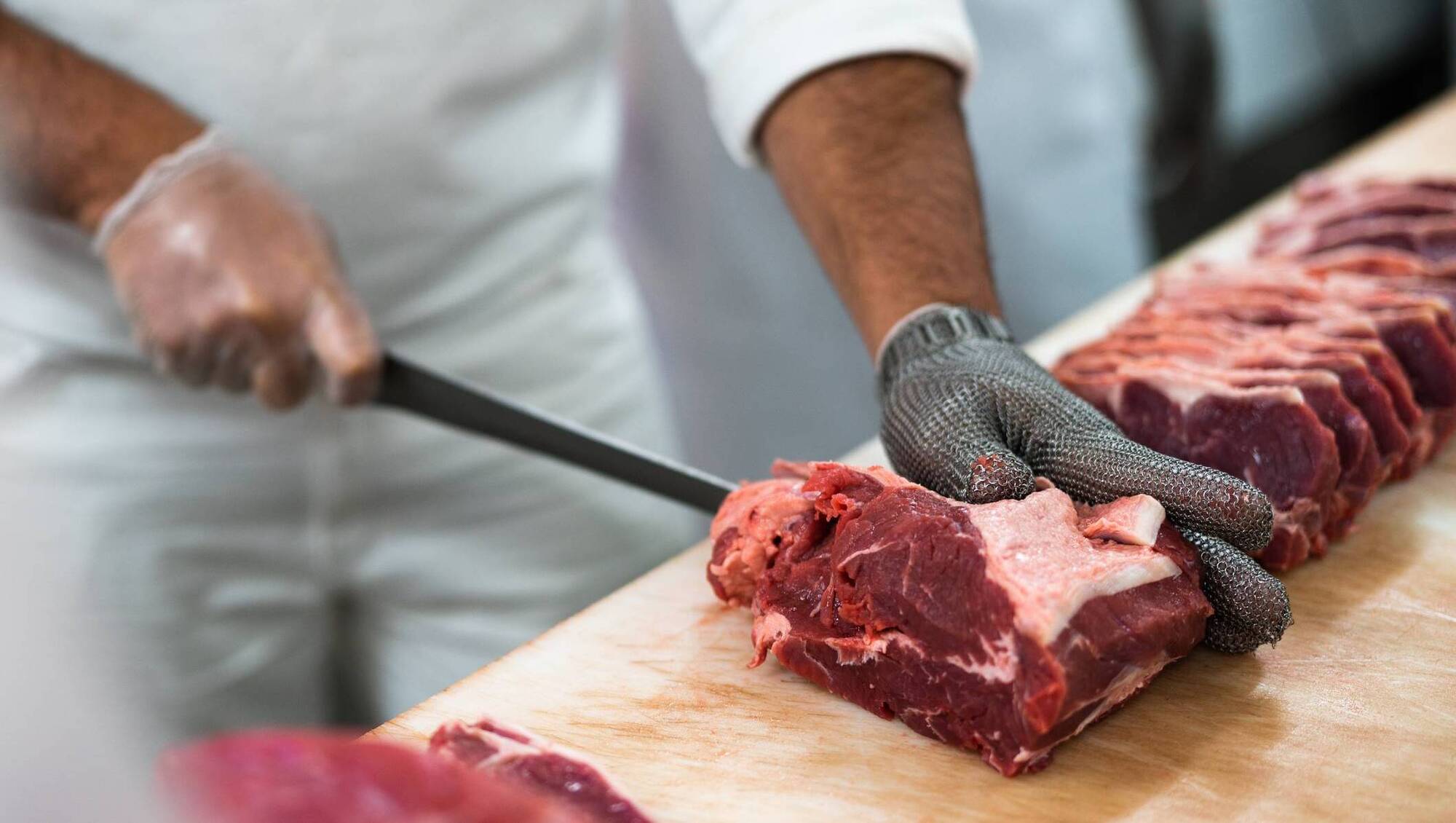
Which is why it borders on dark satire that just one week after a consignment of Brazilian beef was recalled in Ireland for containing a banned growth hormone, the EU is pressing ahead with a free trade agreement that would allow 99,000 tonnes of South American beef into the European market at low-tariff rates.
That recall alone raises deeply uncomfortable questions. If hormone-treated beef has already slipped through the net and onto Irish shelves, what does that say about the robustness of controls in Brazilian slaughterhouses? And what confidence can farmers — or consumers — realistically have that these systems will suddenly become watertight because Brussels says so?
We are told that the safeguards attached to Mercosur are, on paper, the tightest ever applied to any free trade agreement. But checks are only as strong as their weakest point — and that point is not the regulation, it is the reality on the ground.
In countries where corruption is well documented, words on a page are not enough. Irish farmers know this. They, on the other hand, live in a world where inspection is real, immediate and unforgiving.
At a rally in Athlone last weekend, one farmer from Kerry described the deal as a “betrayal”. That word has echoed repeatedly since. And it is hard to argue with it.
For decades, Irish farmers have jumped through the hoops of calendar farming, pinpoint rules, licences and gold-standard traceability. They did so on the understanding that the Common Agricultural Policy and market protections would underpin their livelihoods. Now, production-linked direct payments are dwindling, and market protections are eroding. Small wonder farmers are asking what, exactly, they are being left with.
They are right to challenge this.
This is not just about the 99,000t agreed. It is about precedent. Once the door is opened, it is far easier to widen it. Safeguard thresholds can be adjusted. Volumes can be increased. Reviews can be “rebalanced”. By the time price investigations are triggered — if they are triggered at all — the damage to producer confidence and viability may already be done.
Farmers are told beef prices are dictated by “supply and demand”. Yet somehow, supply always seems to rise when it suits processors and trade negotiators, while demand pressures rarely work in farmers’ favour. It is little wonder many now view market explanations with deep scepticism.
Read More