Farm fatalities and mental health pressures under renewed spotlight
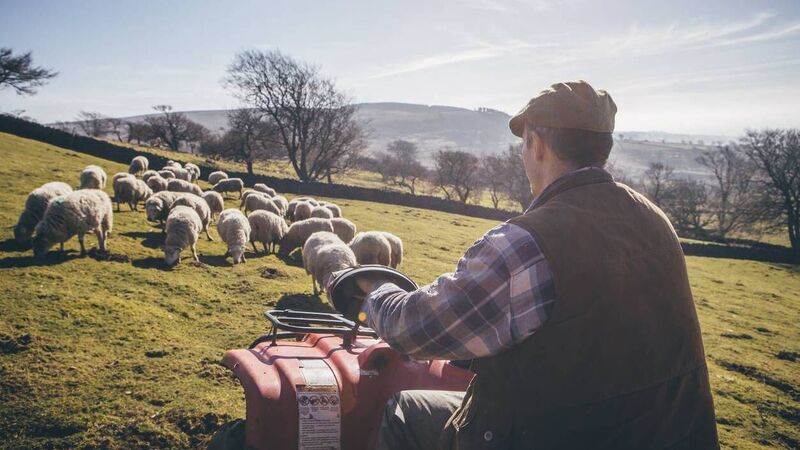
Agriculture represented 40% of all work-related fatalities in 2025 from a sector employing some 4% of the workforce.
Many farmers are putting farm work ahead of their own health, according to health check projects funded by the Department of Agriculture, Food and the Marine.
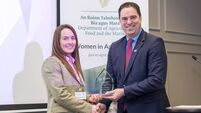
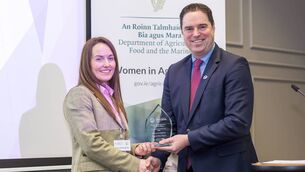
Not only is our health our wealth, but it is essential for the physically and mentally demanding work on the farm, according to Minister of State Michael Healy-Rae, who made the comment.
Noting that this time of the year can be difficult for people if they are struggling with poor mental health, he said it is important to look out for each other and offer support if needed.
“In addition to your GP, there are excellent resources and helplines available, and I encourage anyone in need not to struggle alone, but to reach out for support,” he said.
Minister Mary Butler, addressing the Seanad last November, said farmers are the backbone of our rural communities and economy, yet they face unique pressures and challenges.
“It is high pressure and demanding, which brings with it very real risks and stressors to the health of our farmers.
“The result is that farmers are considered a group that is at risk of developing mental health issues, and we know from research that farmers face higher levels of anxiety and depression than the general population,” she said.
Senator Paul Daly welcomed the priorities in the Programme for Government to continue to prioritise improvements in farm safety and health and well-being through the strengthening of supports.
Noting that suicide rates in rural Ireland remain stubbornly high, Senator Nicole Ryan said it is time for a national co-ordinated response that recognises mental health well-being is just as important as farm safety and physical well-being.
“We need accessible mental health supports that meet farmers where they are. That means it should not be in distant clinics, it should be at local GPs, primary level centres and community hubs.
“We should also extend outreach to where the farm discussion groups are being held, where farmers meet in marts with Teagasc advisers, and places where farmers already go and trust people,” she said.
Meanwhile, the Health and Safety Authority has provisionally reported 20 deaths in farming last year, compared to 12 in 2024, and three in fishing.
Agriculture represented 40% of all work-related fatalities in 2025 from a sector employing some 4% of the workforce.
Minister Healy-Rae said the rise in the number of fatal incidents is very concerning. Too often, a momentary lapse in concentration or judgement has resulted in a serious or fatal incident.
“There has been an average of over 14 fatal incidents per year on Irish farms over the last five years, accounting for over a third of all workplace fatalities,” he said.
Minister Healy-Rae urged all farmers to take some time for essential safety checks and to commit to applying a 'Safety First' approach to farm work from now on.
“We all agree that the number of serious and fatal incidents is unacceptable. Even one incident is one too many.
Senator Joanne Collins, speaking recently in the Upper House, said almost half of all workplace fatalities happen in agriculture.
Over the past decade, more than 200 families have been left without a loved one because of farm fatalities.
Around 4,500 farm accidents happen every year. Nearly half of them require hospitalisation.
She said the main causes are tractors turning over, uncovered PTO shafts, poor cattle handling facilities, livestock aggression after calves are born, and slurry-related drowning and gas poisoning.
The truth, she added, is that even the most experienced and careful farmer can be caught out. When an accident happens in a remote field or yard, it can be fatal because there is no help nearby.
Noting that farm safety is not only about physical protection, Senator Eileen Lynch said it is also about the mind as well as the body.
“The pressures facing farmers today, from market uncertainty to weather extremes, climate, long hours and isolation, take a toll on people that we cannot ignore,” she said.