Stephen Cadogan: Can wild venison really threaten the beef market?
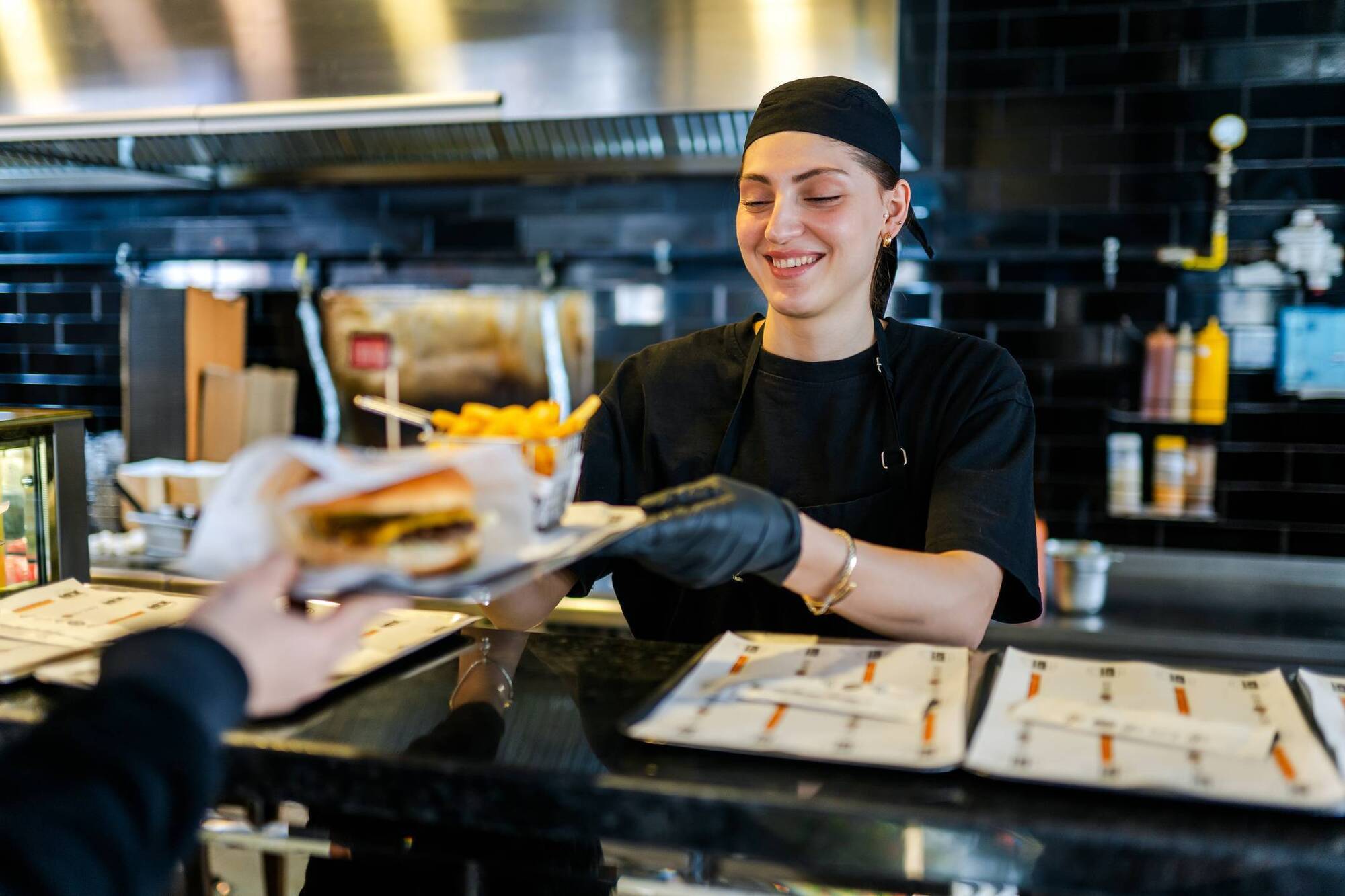
The Levy UK hospitality company has replaced beef on its menus at Brentford's Gtech Stadium, the Twickenham rugby stadium, the Lamex soccer stadium at Stevenage, the National Exhibition Centre in Birmingham, and London's Oval cricket ground, the National Theatre, and The O2. File picture
Fans who go to see Corkman Caoimhín Kelleher playing for Brentford, managed by former Irish player Keith Andrews, will have to do without beef burgers.
The Levy UK hospitality company has replaced beef on its menus at Brentford's Gtech Stadium, the Twickenham rugby stadium, the Lamex soccer stadium at Stevenage, the National Exhibition Centre in Birmingham, and London's Oval cricket ground, the National Theatre, and The O2.

Wild venison has replaced beef at these venues, and about 13 other venues in the UK and Ireland where Levy UK provide hospitality services. It's part of Levy UK's bid to slash greenhouse gas emissions. It is envisaged wild venison portions will replace 54 tonnes of beef burgers.
It could have been worse for beef-loving fans coming to these venues. Beef, rated at 99kg of emissions per kilo of beef, could have been replaced by tofu (only 3.2kg of emissions) or by bananas (only 0.86kg).
With 1kg of venison associated with 22.3kg of greenhouse gas, there are several more climate-friendly options than the meat from deer, which are, of course, methane-emitting ruminants, just like cattle.
The UK has an estimated two million wild deer. So the question arises, now that beef has become expensive, could venison steal some of the UK's beef market, the principal destination for Irish beef exports, taking nearly half of our beef production?
Probably not, judging by UK retail prices of £39.26/kg for British venison haunch steak, which is about the same price as British beef sirloin steak.
So there's no saving for British consumers. Anyway, even two million deer would not make much of a dent in the UK's meat consumption.
More venison is appearing in Irish shops also. You might pay €33 here for 1kg of venison steak, compared to €30 for 1kg of Irish striploin steak. So it's not a cheap alternative to beef.
And unfamiliarity may put Irish consumers off venison, even though chefs say you cook it exactly the same as beef.
Like livestock, it has to be properly hung and processed, but more and more deer processors are available for this work around the island of Ireland.
Meanwhile, unless Irish consumers get fond of venison, there are export opportunities, particularly in Germany and other countries in central Europe, according to Bord Bia.
Companies such as J&J Game Dealing in Co Mayo ship wild Irish venison for processing in the UK. Licensed hunters countrywide supply J&J Game Dealing with the animals.
Kerry Wild Game, a venison supplier and processor in Killorglin, takes in deer carcasses from across Munster. Their market focus is more on Irish restaurants.
But the supply of venison is likely to be very much less than beef. About two million cattle are processed in Irish beef factories annually.
According to Irish Deer Commission figures, in the year up to February 28, 2023, 78,025 wild deer were culled under licence.
Deer can be culled by "appropriate" licensed hunters within the hunting season, or with the use of Section 42 licences issued by the National Parks and Wildlife Service outside the hunting season. In 2024, just over 10,000 deer were shot under Section 42 licensing.
Co Wicklow accounts for a large portion of deer cull totals.
In 1996, there were about 500 deer farms, with 20,000 deer in Ireland, but numbers have declined sharply since then.