Irish food to play key role in new tourism strategy
The Government has just launched a new Culinary Tourism Strategy that sees the food and drink sector playing a key role in attracting more visitors from overseas.
Irish food and beverages are currently on the minds of consumers countrywide with Christmas Day just over a week away.
But the Government strongly believes the produce and spirits that come from the land and will end up on dinner tables next Thursday should not be for the seasonal celebrations alone.

It has just launched a new Culinary Tourism Strategy that sees the food and drink sector playing a key role in attracting more visitors from overseas.
Culinary or food tourism revolves around people travelling to a place specifically to taste its unique cuisine, beverages, and local produce.
It serves as a gateway to understanding a region's culture, history, and people, and involves diverse activities.
These range from eating at renowned restaurants to visiting farms, wineries, breweries, distilleries, and foraging for ingredients.
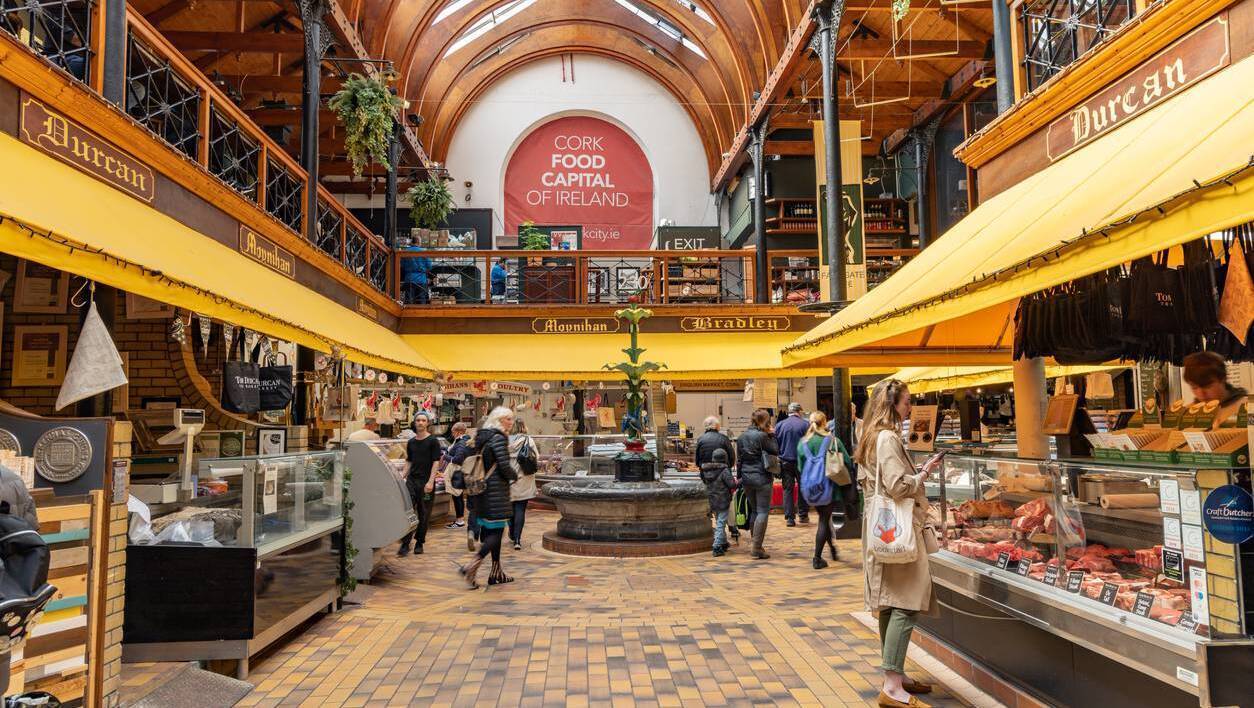
Cooking classes, food festivals, market tours, farmhouse holidays and peer-to-peer dining with locals are all part the experience.
The new strategy seeks to boost overseas visitor revenue by 50%, to €9bn, in five years. Although Ireland is known worldwide for high-quality food, many foreign visitors arrive with only modest expectations.
Scenery remains their top attraction, but food and beverages now account for 34% of total visitor spend, with 81% of those surveyed last year highlighting the quality on offer as “very good”. Food tourism is therefore seen as being increasingly important for attracting high-value visitors and enhancing Ireland’s global appeal.
Domestically, it also plays a key role in supporting year-round tourism and regional development, reinforcing its value across the entire visitor journey.
"A growing number of high-quality restaurants and chefs who champion local fare continue to elevate Ireland’s culinary reputation,” it says.
The strategy will focus on marketing the uniqueness and provenance of Irish food, chefs, and culinary experiences, enhancing customer engagement through practical supports.
It will also address operational and commercial challenges to ensure a compelling seven-day offering across key destinations to enrich the visitor experience and drive regional growth.
Elevating the quality of the culinary offering and improving domestic and international expectations of Irish food and building on ongoing work at local level to ensure a strong seven-day offering in all key destinations are other priorities.
The initiative will create targeted destination marketing campaigns to highlight the variety and excellence of local food, while also identifying culinary opportunities to further stimulate growth.
Sustainability, local production, and authentic food experiences will be the key focus areas, together with food festivals and markets. Potential opportunities and specific themes and areas will be identified.
Food trails are seen as a valuable tourism asset, offering a structured way to explore regional culture through cuisine. They help sustain rural food enterprises by attracting visitors to less mature tourism destinations.
Fáilte Ireland has prioritised this in its destination and experience development plans, where food stories, events, and festivals play a key role in enhancing destination appeal and supporting local economies.
Key actions in the new policy which tourism minister Peter Burke recently launched include a commitment to develop food-related tourism with a key focus on the culinary offering provided by the sector.
The document includes 71 proposals. Fáilte Ireland and Tourism Ireland are central to delivering the stated objectives and will align their three-year corporate plans accordingly for the periods 2026-2028 and 2029-2031.
Mr Burke said tourism was one of Ireland’s most vital indigenous sectors, with more than 46,000 tourism-related enterprises, and 228,000 jobs.
“This policy statement sets ambitious targets. In total, we’re targeting growth in international tourism revenue by 6% per annum and domestic revenue by 7% per annum.
“We are setting the course of direction and the areas for investment for the next five years. I firmly believe that untapped potential exists in many parts of the country, and this policy is designed to unlock that opportunity.
“We want every community, from urban centres to rural heartlands, to benefit from tourism’s growth and ensure Ireland is the best location to visit in Europe,” he said.
The Restaurants Association of Ireland (RAI) has welcomed the strategy and its renewed focus on food tourism on a national level.
It said it believed a strong focus on food tourism would enhance the visitor experience, lengthen stays, and support local economies in every county.
RAI president Seán Collender said it had been a challenging time for many restaurants, cafes and gastropubs, but the strategy was a positive step forward.
It provides a clear framework to support businesses, strengthen local communities, and show Ireland’s world-class culinary scene to visitors from home and abroad, he said.