The factors crucial for sustaining milk production in late lactation
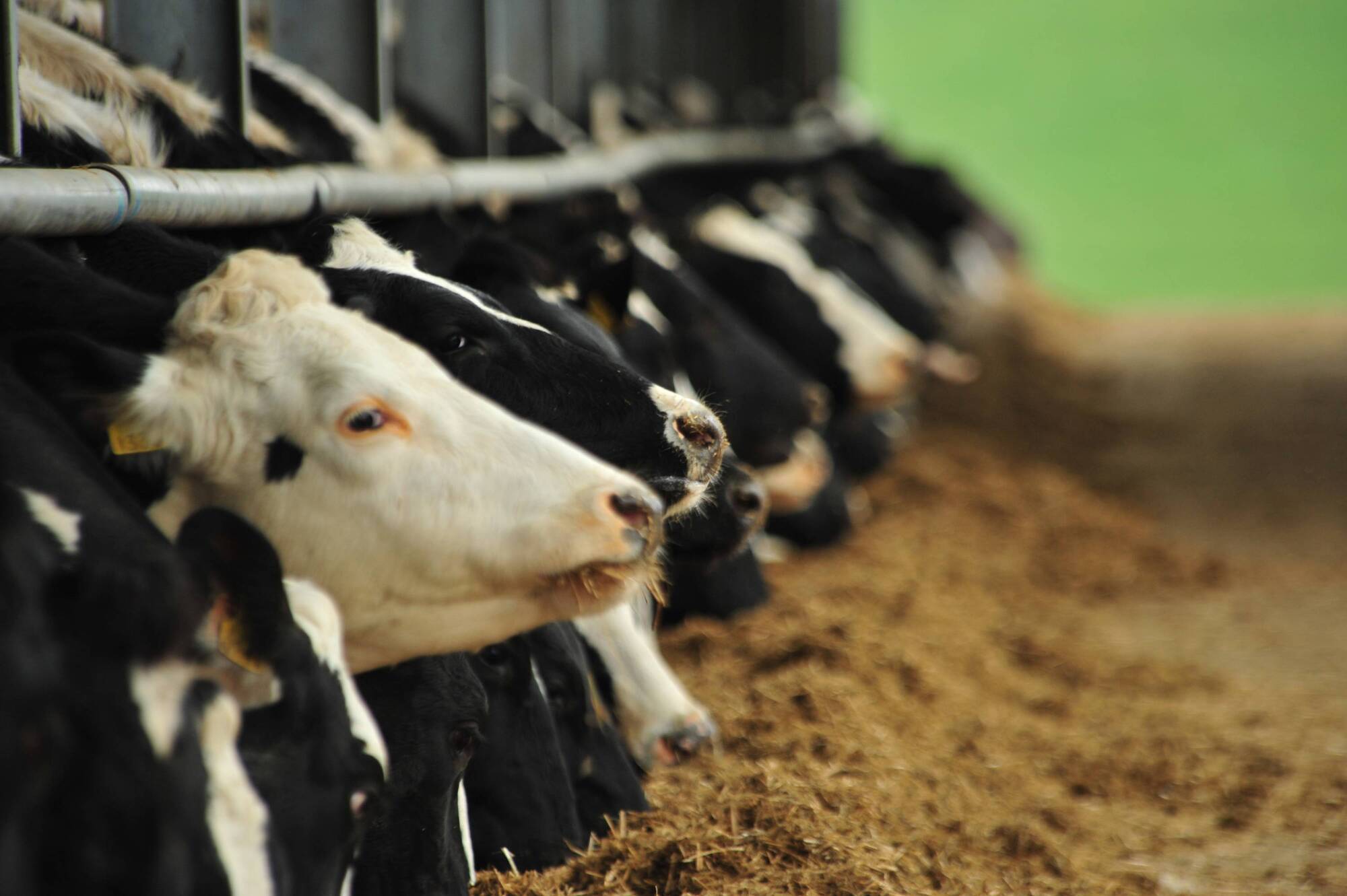
Planning ahead by analysing silage to provide a balanced diet — based on both silage quality and cow condition — is critical to ensuring cows are dried off at the correct BCS.
Irish dairy farmers have, for the most part, made excellent use of this year’s good grazing conditions. With a strong spring and summer, aside from a brief period when grass supplies ran tight, it has been a largely positive year.
Across counties including Wicklow, Kilkenny and Laois, the farmers I work with have achieved strong grass utilisation this season. This has largely been driven by well-structured grazing rotations and thoughtful supplementation strategies that help balance feed supply and maintain animal performance.
However, as conditions begin to shift, farmers are now turning their attention toward winter feeding and preparing cows for the months ahead.
As cows progress into late lactation and weather conditions begin to change, it is crucial to prioritise maintaining sufficient dry matter intake (DMI), achieving milk quality standards, and meeting body condition score (BCS) targets.
These factors are crucial not only for sustaining milk production in the current lactation, but also for preparing cows for a smooth dry period and strong future performance.
The dry matter content of grazed grass can decrease sharply during periods of wet weather. This puts pressure on farmers to maintain herd total dry matter intake (DMI) and, subsequently, milk production. If left unaddressed, milk production will fall at a steeper rate than it should.
As a guideline, monthly milk production should not fall by more than 10% compared to the previous month’s yield. Strategies around overcoming decreased cow DMI include:
- Offering increased levels of concentrate supplement in-parlour.
- Feeding out good-quality grass silage (70%+ dry matter digestibility) at milking.
- Offering a partial mixed ration (as a buffer mix between grazing bouts).
- Housing cows part-time or full-time depending on paddock accessibility and/or grazed grass availability.
The key to performance in any herd is managing body condition score (BCS). Monitoring and controlling BCS is essential for achieving a trouble-free calving and a more productive subsequent lactation.
Ideally, the BCS of cows should be assessed four to six weeks before drying off. This allows sufficient time to implement a plan that ensures cows reach the ideal BCS at drying off and, in turn, at calving. The target is to have cows at BCS 3 at drying off.
It’s fair to say that cows across the country have generally maintained good condition this year, but keeping that condition on cows before drying off is very important.
Planning ahead by analysing silage to provide a balanced diet — based on both silage quality and cow condition — is critical to ensuring cows are dried off at the correct BCS. For example, a typical dairy diet providing an energy surplus of approximately 23 megajoules per day can lead to a BCS increase of 0.35 units within six weeks during late lactation.
For under-conditioned cows, switching to once-a-day (OAD) milking where somatic cell count permits, or drying off a couple of weeks early, can provide the opportunity to build sufficient body reserves.
By milking cows OAD, the energy requirement for milk production drops significantly, allowing cows to use that energy to improve their condition rather than to produce milk. To achieve this effect, however, it is essential that these cows continue to be fed at the same rate as those milked twice daily.
Acceptable BCS range at each lactation stage:
- Late lactation: 2.75–3
- Dry off: 3–3.25
- Pre-calving: 3–3.25
- Post-calving: 2.5–3
- Breeding: 2.75–3
Once cows are set up with a good body condition score in late lactation, the next stage is preparing for the dry cow period. It is important to note that the mineral status of soils and forages can vary greatly from farm to farm and from year to year.
The simplest and most accurate way to determine mineral status is by testing the forages being fed to cows — most importantly, the silage that will be offered to dry cows over that period. Once these results are known, informed decisions can be made on the most effective supplementation strategy and whether any corrective action needs to be taken.
On many farms, inorganic trace minerals are included in mineral packs and feeds. However, this form of supplementation is less efficiently absorbed by the animal, and much of it is lost through excretion.
The Alltech Mineral Management Programme focuses on feeding organic trace minerals such as Bioplex® Copper, Bioplex® Zinc, and Sel-Plex® (organic selenium). Other solutions are also available.
These are more effectively absorbed, stored and utilised by the animal, meaning they can be fed at lower levels while still improving performance. This approach not only enhances the cow’s mineral status and productivity but also helps reduce the environmental impact associated with mineral excretion.
As the dry period begins, attention should also turn to housing conditions, cow comfort and transition feeding. Adequate cubicle space, clean bedding, good ventilation and access to clean water all contribute to maintaining cow health and preventing issues such as mastitis or lameness over winter.
Monitoring cow behaviour during housing — such as time spent lying versus standing — can provide valuable clues about comfort levels.
Feed management during the dry period should focus not only on mineral balance but also on maintaining rumen health. Including sufficient long fibre in the diet encourages chewing and saliva production, which helps buffer rumen pH and supports a smooth return to full lactation diets post calving.
Farmers should also consider grouping cows according to calving date and condition score, allowing for tailored feeding where necessary. Ultimately, managing cows proactively during late lactation and the dry period pays dividends when calving begins.
Healthy cows, in the correct body condition and well mineralised, transition more smoothly, produce higher-quality colostrum and reach peak milk yield faster in early lactation. A little extra attention now ensures a stronger start to the next season and a more resilient herd overall.