Environmental benefits of insect protein overstated, say researchers
It may cause second thoughts in the EU Commission, which has approved several insect species for human consumption
Environmental benefits of insect protein overstated, say researchers

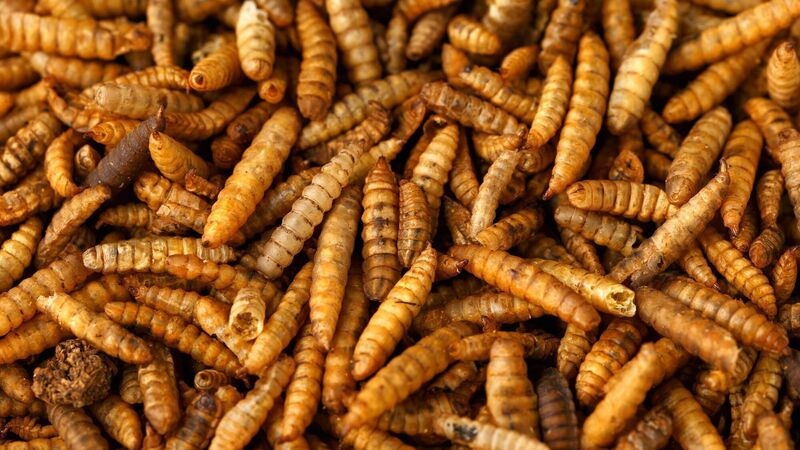
The EU has approved mealworms, buffalo larvae, house crickets, and grasshoppers in frozen, dried or powdered form in products such as bread, crisps, and food supplements. File photo

A new peer-reviewed study published in the respected scientific journal, Biological Reviews, has cast doubt on the widely touted environmental benefits of insect farming.

It may cause second thoughts in the EU Commission, which has approved several insect species for human consumption.


The EU Commission (and the Food and Agriculture Organisation agency of the United Nations) say insects as food will play a leading role in solving the rising cost of animal protein, food insecurity, environmental pressures, population growth, and increasing demand for protein among the middle classes.

The EU has approved mealworms, buffalo larvae, house crickets, and grasshoppers in frozen, dried or powdered form in products such as bread, crisps, and food supplements. But the latest research report indicates that insect protein production at scale is often less environmentally friendly than conventional ingredients for livestock feed, fish feed, and pet food.

For example, greenhouse gas emissions from farming black soldier fly larvae in the UK can be up to 13.5 times higher than those from soybean meal production, according to the report, entitled 'Have the environmental benefits of insect farming been overstated? A critical review'.

One finding was that, on average, insect proteins for pet food emit between two and 10 times more greenhouse gases than conventional pet food products.

The research also highlighted serious concerns about the potential escape of farmed insects. They could threaten local ecosystems by competing with native species, introducing harmful genes, and potentially spreading diseases to wild insects, including pollinators.

While insect farming was initially promoted as a way to utilise organic waste, the latest study found that large-scale farms rely heavily on feed-grade materials, like wheat bran.

And the resource-intensive nature of insect farming makes its products significantly more expensive than alternatives, with insect meal costing several times more than fishmeal, and up to 10 times more than soymeal.

Dr Dustin Crummett, co-author of the report, said: “Insect protein has been widely hyped over the past decade, but our comprehensive review of the scientific literature tells a different story. 

There is essentially no public demand for farmed edible insects, and farming insects for pet food or farmed animal feed is usually worse, often many times worse, for the environment than even conventional options. 

Five of the six authors, including Dr Crummett, are from the USA-based Insect Institute, a non-profit organisation which believes that the merits of insect farming have been exaggerated. A sixth author, Tom Bry-Chevalier, is from the Université de Lorraine in France.

They analysed 352 relevant research papers, which they said is the most comprehensive review to date of the environmental impacts of large-scale insect farming in Western countries.

They said serious consumer acceptance issues prevent insects from displacing conventional meat, and insects are instead farmed overwhelmingly as feed for farmed animals or pets.

They said, there is a serious risk that insect farming will add yet another expensive and unsustainable layer to the existing food industry, even though eating insects has a deep-rooted history, and is practised by over two billion people globally.

They estimated that more than $1.5 billion has been invested in the insect farming industry in recent years. Product mostly (about 50%) goes into pet food, and products intended for human consumption only account for a very small proportion of investment.

The authors said industry analysts from Rabobank previously identified fish feed as the largest market for edible insects, but now report that “the fish feed industry uses virtually no insect protein,” due to high costs and inconsistent supply.

They said the European Commission has approved new uses for insect products, but its experts acknowledge an “overwhelming lack of knowledge concerning almost every aspect of production”.

x

More in this section

Farming

Newsletter

Keep up-to-date with all the latest developments in Farming with our weekly newsletter.

Cookie Policy Privacy Policy Brand Safety FAQ Help Contact Us Terms and Conditions

© Examiner Echo Group Limited