The week everyone missed: TB, CAP reform and Mercosur moves on
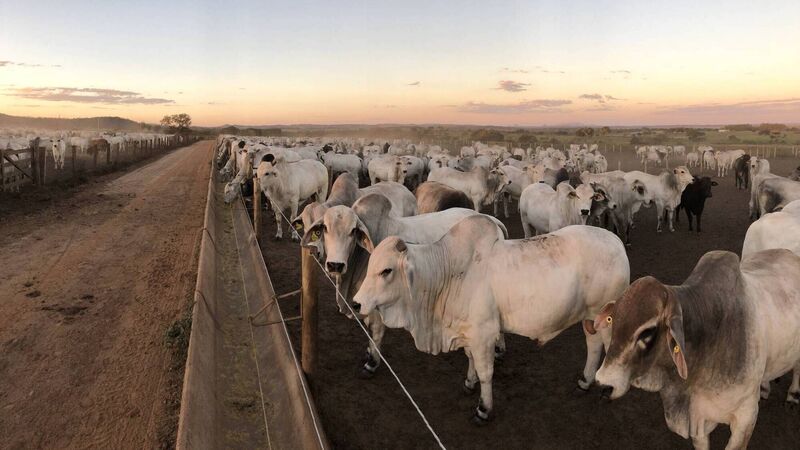
The EU-Mercosur agreement edged forward. MEPs approved enhanced safeguard mechanisms allowing tariff preferences on sensitive agricultural imports to be suspended if volumes rise 5% above a three-year average and prices fall 5% below EU equivalents.
Every day that the Bord Bia row rumbles on, something else slips quietly down the agenda.
While there are key questions to be asked, it is worth asking what else is unfolding with far less scrutiny.
The noise has been relentless. And while frustration over perceived “double standards” is real and justified in parts, there’s a growing unease that some far bigger issues are drifting by largely unchallenged.
I was in Carrick-on-Shannon at the weekend, listening to farmers dissect how agriculture is portrayed in the media. It was refreshing to be in a room of well-informed, deeply engaged people who care about how their industry is represented. The conversation covered all the expected flashpoints.
But there was also a noticeable shift in tone. Beneath the frustration lay a more strategic concern: that energy is being consumed in one very public dispute while other, more structural issues receive comparatively little attention.
Take disease.
We remain in the shadow of bluetongue. The seasonal narrative suggests reduced risk — “no midges in winter” — yet anecdotal evidence suggests vectors have not disappeared entirely. I saw more than a few myself while feeding hens earlier this week. I don’t need to tell you that nature does not read the calendar.
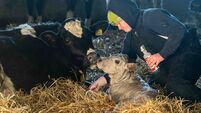
On my own holding, my calves tested clear for TB this week. The animal selected for bluetongue sampling came back negative despite being very close to the original outbreaks.
It gave me the chance to speak to my vet about vaccination options, and I intend to treat stock at the earliest opportunity. With beef animals in particular, it is simply not worth the risk that a finished animal might fail to enter the food chain.
Meanwhile, as you’ll read on P13, factory data show TB lesions detected at slaughter have doubled over a five-year period. The skin test continues to attract debate, but post-mortem findings are definitive. The trend line is moving in the wrong direction, and surely warrants more than a passing mention.
And then there’s Brussels.
Two European Commissioners — agriculture commissioner Christophe Hansen and budget commissioner Piotr Serafin — were in Dublin this week as Ireland prepares to assume the EU presidency later this year. You’d be forgiven for missing it.
Meetings with the Tánaiste and ministers focused on the next multiannual financial framework (2028–2034) and the future configuration of the Common Agricultural Policy, as Ireland prepares to assume the presidency.
These discussions will determine the financial architecture underpinning Irish farming for the next decade, a topic I look forward to threshing out with panellists at the MTU National Workshop on Strengthening Rural Life and the Future of Farming, which takes place in Cork on February 20.
Proposals under consideration include radical changes to eligibility criteria for direct payments, including the potential removal of payments to farmers over 65, so the visit and discussions are not simply routine diplomatic theatre. They are structural decisions with generational implications.
At the same time, the EU-Mercosur agreement edged forward. MEPs approved enhanced safeguard mechanisms allowing tariff preferences on sensitive agricultural imports to be suspended if volumes rise 5% above a three-year average and prices fall 5% below EU equivalents. The measure passed comfortably.

Safeguards provide a framework. They do not guarantee protection. Much will depend on how assertively they are applied.
Individually, each of these developments carries weight. Collectively, they shape the operating environment for Irish agriculture more profoundly than any single controversy.
The Bord Bia debate will eventually subside, whatever the outcome. The decisions currently being negotiated in Brussels, the disease trends emerging in factory data, and the trade dynamics advancing at EU level will not.
So much for a quiet week in agriculture.
On second thoughts — does such a thing even exist?