Grass under pressure as rain stays away for much of the country
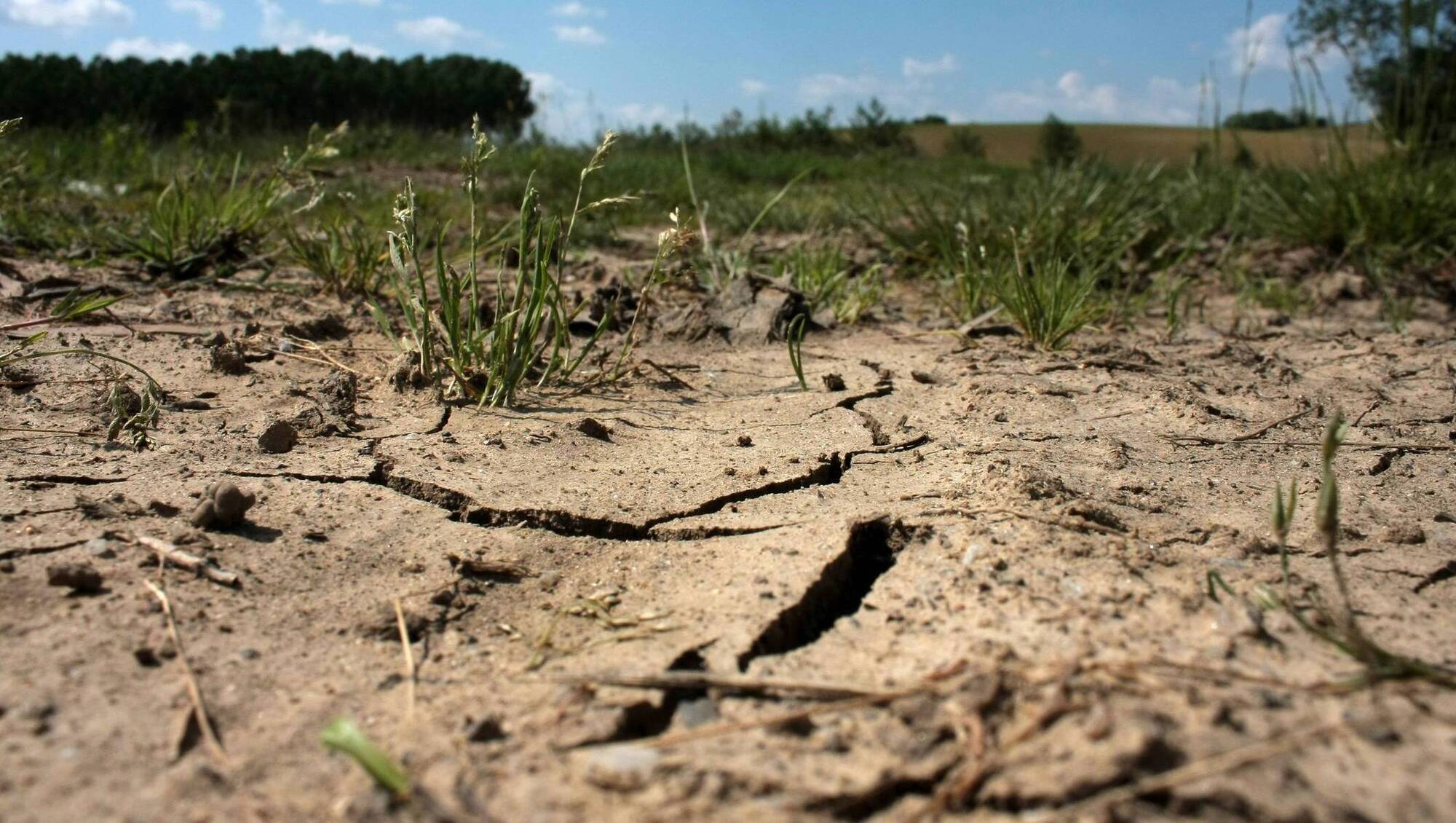
For those experiencing a drought, careful grass management is essential. Try to slow down the rotation if growth has slowed.
I’ve spoken to a lot of farms in the last week or so that are really starting to feel the pinch when it comes to grass quality and quantity. Swards are very stressed and are throwing out a stem and seed head quickly as the moisture deficit heads for 60–65mm.
The recent dry spell caused difficulties for many beef and dairy producers around the country. Grass growth had slowed down dramatically on many farms, particularly in the south and east.
Many milk producers are reporting two key issues: a drop in yield due to poor intakes, and low butterfats due to poor fibre supply and digestion. Proteins are also suffering as energy intake is insufficient to support them. It’s easier for dairy producers to identify poor performance, as they have regular milk collections and quality results.
One indicator that’s really highlighting the issue is milk urea levels. These are very low in most herds at present, unless extra protein is being supplemented. Milk urea reflects how well a herd is digesting its protein, and if figures are below 20 for this time of year, it means the herd is not getting enough protein.
Typically, in mid-July with optimum growth, you would expect grass to be 24%–28% protein, but all samples I’ve tested in the past week have been under 22%, with many closer to 16%. This shows the nitrogen applied has not been able to work — either because it hasn’t been washed in or because there’s no moisture to activate it.
There are a lot of different solutions being implemented on farms to bridge the grass shortage:
- Increasing or reintroducing meal;
- Grazing a proportion of second-cut silage ground (Only possible where an early first-cut was taken);
- Zero grazing;
- Feeding silage or other available forages.
Obviously, not every option above is viable on every farm. You’ll need to choose what’s most efficient from an animal performance perspective, while also being cost-effective.
For those experiencing a drought, careful grass management is essential. Try to slow down the rotation if growth has slowed. This will mean feeding extra ration to those already on meal and introducing meal to other stock.
It may also require feeding round bale silage, pit silage, maize silage, whole crop or straw — whatever is available — to slow down the rotation. Whatever happens, don’t let animals run out of grass before planning how you’ll feed them.
One thing is for sure: if you allow dramatic drops in milk yield now, you won’t get that milk back for the rest of the year.
Let’s take a quick example: if a 100-cow herd drops 4L/cow due to low energy intake, what’s the cost? We’re in mid-July, so most cows have 130–140 days of lactation remaining. That’s over 50,000L not produced.
Yes, that milk isn’t free, but if cows are still milking well when grass quality recovers, they’ll produce most of that milk from grass.
The question is, can you afford to let your cows drop off this early in their lactation with milk making close to 60c/L.
• Feeding up to 8kg of concentrates in the parlour and bridging any remaining deficit with silage while remaining out day and night.
This silage can be fed once per day in the morning or evening. The morning is best where possible. Some are feeding this in the paddock by day, where all cows will have access. Many yards don’t have enough headspace for a morning snack, where all cows would need to eat at the same time.
If feeding 8kg in the parlour, where possible, feed a bigger proportion in the morning.
More extreme measures may be required if we hit deficits of moisture and grass as in 2018.
• Housing cows by day and supplying anything between 50% and 80% of total dry matter required indoors.
In the warm weather, cows are happier indoors by day and grazing by night. If cows are in by day in winter accommodation, they will have access to several water troughs as opposed to the typical one trough per paddock. This will keep them hydrated, cooler and encourage better appetite to maintain milk yields.
The forage supplied in this scenario is varying from maize silage, whole crop, straw, bale silage, hay, previous years' pit silages, 2025 first-cut silage and zero grazing of either outside heifer blocks or grass intended for 2025 second-cut silage.
While all of these options will do the job of supplementing the remaining supplies of grazed grass on farm, some will need to be managed more carefully than others.
Grass silage, maize silage, and whole crop clamps must be well managed with the current ambient temperatures so they do not heat. When heating, these materials can easily form moulds and toxins which can cause digestive upsets and scours. All are excellent energy sources and will complement the scarce grass very well.
For recently made bale silage, it is important it has fermented properly before it is fed. A high acid loading during the fermentation process can again induce digestive upsets and scouring.
Silages in both pit and bale made more than three weeks are much more stable and a better option where possible.
Where zero grazing is bridging the grazing deficit, a few things need to be considered:
- Grass mowed in the afternoon will have higher sugar and dry matter content, so will be more valuable to the cow per kilo of fresh weight consumed.
- If zero grazing grass is fertilised for second-cut silage, what is its nitrogen content like? Will you be supplying a very high nitrogen grass, which could be detrimental to animal performance? Excesses of protein in grass have to be processed before being excreted, this will use up energy. Those who have milk urea data from their milk collection can monitor this to make sure excessive levels are not being supplied. High blood urea has been associated with embryo death. The best option is to get grass tested for nitrogen before feeding it if you are in any doubt.
- Low covers of leafy grass will have very little fibre content and could potentially run through cows, inducing acidosis if not complemented with a bit of fibre. Straw, hay or dry bale silage will do this effectively.
Some are strip-grazing second-cut silage ground if close to the grazing platform. The same grass quality concerns apply as above with zero grazing.
Is it a better option to make your second-cut silage and, in the meantime, continue to fill the grass deficit with silages already in stock?
Advanced crops of second-cut silage are not growing much these days, and many will cut them soon or already have done. Farmers are reporting crops are melting away with the heat and lack of moisture. Once we do get rain, these fields will grow rapidly, and a good third cut can hopefully be saved to help replenish stocks.
- Brian Reidy is an independent ruminant nutritionist at Premier Farm Nutrition