Genotyping reveals 17% of calves registered with incorrect sire
Since the NGP was launched in 2023, the share of the national dairy herd that is genotyped has increased very significantly.
In the calving season rush, mistakes are inevitable, and these are being revealed by the National Genotyping Programme (NGP). This year, about 17% of tag samples submitted by farmers for genotyping revealed the wrong sire was registered, there were 5-6% dam errors, and 3.2% breed errors.
The NGP offers free genotyping of all breeding stock in the first year, followed by mandatory €6 per calf genotyping thereafter.
As well as correcting registration errors and the accompanying risk of in-breeding, genotyping identifies problem animals with chromosomal abnormalities.
It also helps the agri-industry by improving the reliability of genomic breeding values; and by generating commercial beef value figures; enabling access to tools like Genocells, and discovery of genetically elite animals.
“For herds that sign up this summer, in year one, 2025, they would genotype all their ungenotyped breeding stock", said Gearoid. "That would be all the cows, in-calf heifers, heifer calves, any stock bulls they have on the farm. Anything that’s ungenotyped, we would genotype them this year free of charge, using button tags. That would be completely free. We’d have all your existing herd genotyped then”.
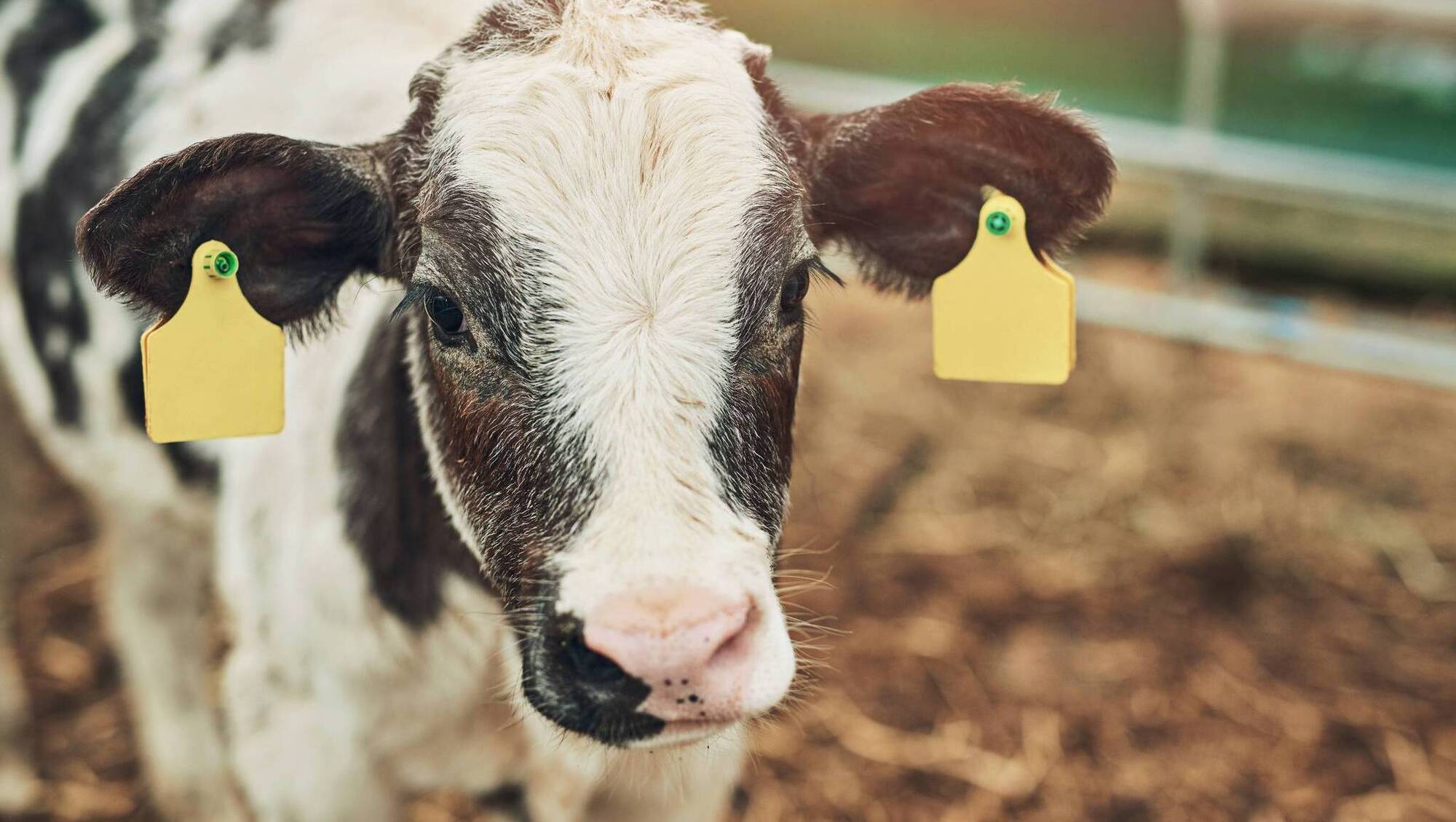
This is followed by genotyping of all calves at birth, from January 2026. “That’s the heifer calves, bull calves, beef calves, all get genotyped at birth using double tissue tags”, Gearoid said. The farmer will register their calves online and send off their DNA.
“Any sires, dams or sex incorrectly recorded by the farmer will be identified by the DNA sample, and the DNA will correct it on the passport or blue card, before it is issued”, Gearoid said.
Since the NGP was launched in 2023, the share of the national dairy herd that is genotyped has increased very significantly.
Herds of any size may join the NGP. “This year, so far, we have about 745,000 calves genotyped through the programme. That would be the bones of 40% of the calves that have been born in the country. The average turnaround time, from when the sample arrived in the lab to coming out the other side with the genotype, was about four days. At times it was as low as three days. In terms of from birth to blue card, from the calf being born on farm to a blue card being issued to the farmer, the average is around 12 to 14 days”.
While a very small percentage of samples have encountered delays for a variety of reasons, the ICBF has agreed to automatically issue the passport after 10 days in the lab.
Gearoid explained, “To genotype 100 cows is €18 per animal normally, that’s €1,800 worth of genotyping that a farmer will get free of charge this year”.
“From 2026, when you’re genotyping your calves, rather than paying €18 to genotype an animal, the farmer is only paying about €6, €4 of that to ICBF for the genotyping, and €2 to cover postage, and the cost of the additional double tissue tags. That’s a big benefit”.
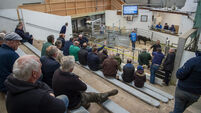
“All the herds in the National Genotyping Programme will have that extra information on the mart board, which will help make them that little bit more saleable”, said Mark Waters, also of ICBF, in the podcast.
“Another side benefit is a service being launched by some of the milk recording services, called Genocells. That’s a very novel service whereby from a single bulk tank sample, using the DNA in the milk, we can actually tell which cows are contributing the largest proportion of the Somatic Cell Count, without having to individually test each cow’s milk”, Mark explained. This is possible only where the cows have been genotyped.
Genotyped herds will also be able to avail of other technological breakthroughs. “We’ll be able to identify cows in farmers’ herds that are potentially carrying a copy of a lethal recessive gene ,and making sure that they are not being mated to a sire who’s also a carrier, increasing the chances of producing a calf that may have an issue, or stillbirth or something like that”, Gearoid explained.
With the NGP, Ireland aims to be the first country to genotype the entire national cattle herd.