The importance of trace minerals during the breeding season of cows
Trace mineral deficiencies must be addressed well before the actual breeding begins, because it takes time for minerals to be absorbed, utilised and stored in the body, writes Rebecca Gallagher, InTouch Feeding Specialist at Alltech.
The importance of trace minerals during the breeding season of cows

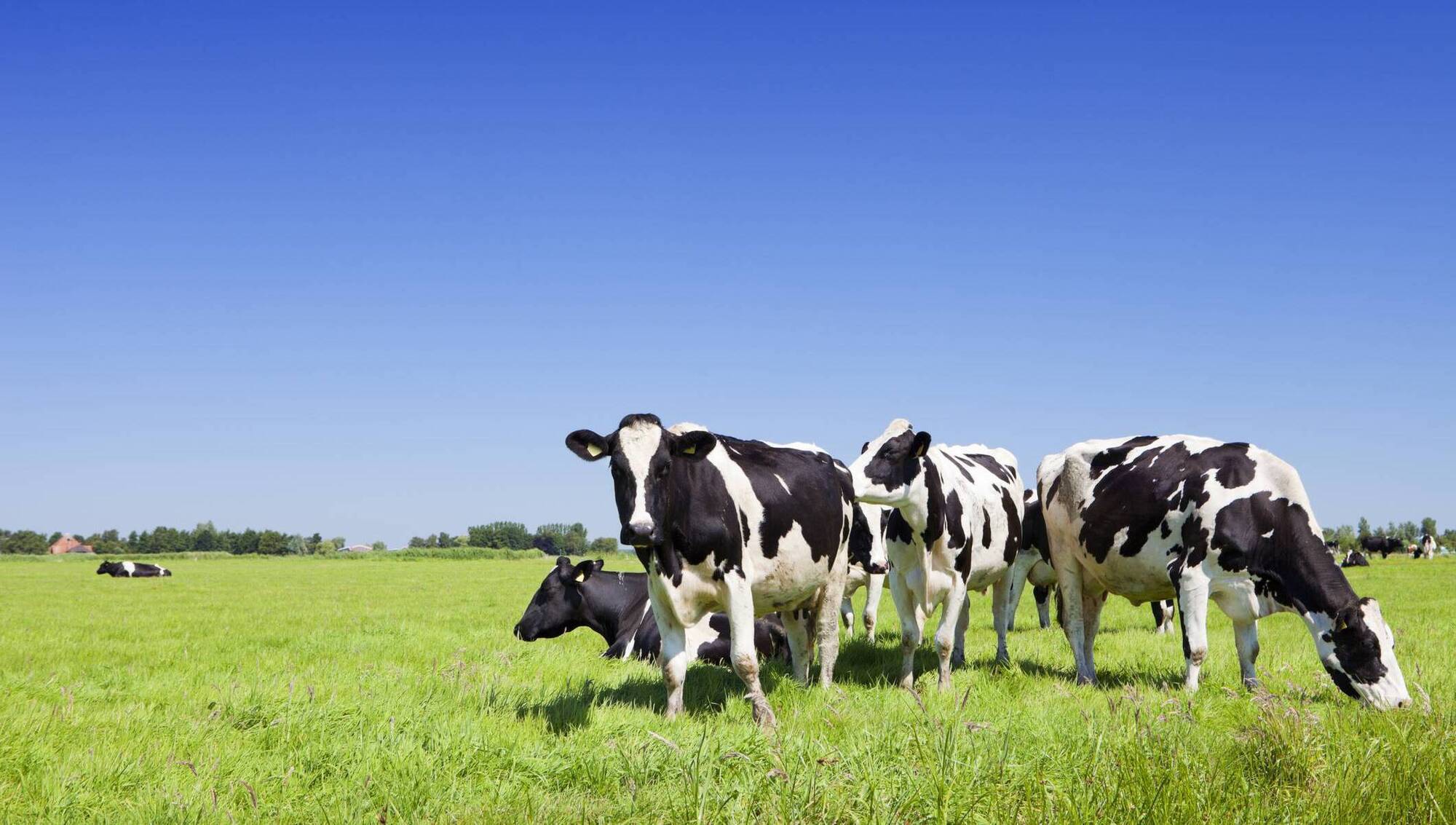
Studies have shown that Irish grassland is deficient in many of the trace minerals essential for optimal reproductive function, particularly selenium. File picture

The success of any beef or dairy enterprise is dependent on a number of factors, including reproductive efficiency. Breeding season is a critical window that determines the productivity of the herd for the coming year.

There is a distinct correlation between fertility and nutrition, with particular emphasis on the importance of trace minerals. Trace minerals play an important role in reproductive performance, foetal development and overall herd health. 

Ensuring optimal trace mineral status during the breeding season is not just beneficial; it’s essential.

Studies have shown that Irish grassland is deficient in many of the trace minerals essential for optimal reproductive function, particularly selenium. To choose the best supplementation strategy, we must first understand what trace minerals are and how they function.

What are trace minerals?

Trace minerals are inorganic elements that are required in very small quantities (parts per million) but are vital for numerous physiological processes.

For cows, the most critical trace minerals related to reproduction include:

  • Copper (Cu);
  • Zinc (Zn);
  • Selenium (Se);
  • Manganese (Mn);
  • Iodine (I).

These elements influence enzymes, hormones and antioxidant systems. Deficiencies — even subclinical ones — can result in impaired fertility, embryonic loss, retained placenta, poor immune function and reduced calf vigour.

The role of each trace mineral in reproduction

Copper

Copper is involved in numerous enzymatic reactions that affect fertility. It supports the function of enzymes needed for hormone synthesis, immune response and antioxidant defence. A copper deficiency can lead to delayed oestrus, reduced conception rates, and increased early embryonic loss. Moreover, copper affects the function of the pituitary gland, which is crucial for normal reproductive hormone cycles.

Zinc

Zinc plays a significant role in DNA synthesis and in cell division and repair — processes that are particularly important in rapidly developing tissues like those of embryos. It also contributes to the health of the uterus and is essential for the production of luteinising hormone (LH), which initiates ovulation. Cows with inadequate zinc levels may experience lower conception rates and higher rates of embryonic loss.

Selenium

Selenium, often supplemented alongside vitamin E, is a powerful antioxidant. It helps prevent oxidative damage to reproductive tissues and developing embryos. Selenium deficiency is well known for causing retained placentas, poor uterine involution, and white muscle disease in calves. Its role in reproductive success is strongly linked to its involvement in reducing oxidative stress and improving immune function.

Manganese

Manganese is involved in carbohydrate and fat metabolism and is essential for normal oestrous cycles and conception. It is also critical for bone formation and foetal skeletal development. A deficiency in manganese can exhibit itself through impaired ovulation, reduced conception rates, and physiological deformities in calves.

Iodine

Iodine is essential for thyroid hormone production, which regulates metabolism and supports foetal development. Iodine deficiencies can lead to stillbirths, weak calves, and increased perinatal mortality due to goitre or underdeveloped lungs.

Trace minerals and calf health

As minerals are transferred across the placenta and into the colostrum, calves born to deficient cows may have a broad range of health problems, including reduced growth potential and greater susceptibility to disease. In contrast, studies have shown that calves whose dams were supplemented with trace minerals have improved vigour, stronger immune responses, and higher weaning weights. In this way, mineral nutrition during breeding and gestation is a long-term investment in herd performance.

Chelated trace minerals

The use of chelated trace minerals for supplementation has been studied extensively over the last number of years and is continually being adopted on farms. Chelated trace minerals are those that are bound to organic molecules (like amino acids or peptides) to enhance absorption and utilisation. Common forms include proteinates and amino acid complexes.

The benefits of chelated trace minerals over other forms include:

  • Higher bioavailability: Chelated forms are more efficiently absorbed and retained in body tissues, making them more efficient and reducing wastage.
  • Reduced antagonism: Chelated forms are less affected by dietary antagonists that frequently limit mineral absorption.

This means that chelated trace minerals — as found in Alltech’s Bioplex® range, which includes zinc, copper and manganese — provide a level of health and reproductive benefits that inorganic forms cannot match. Additionally, due to their greater bioavailability, they can reduce the excretion of harmful minerals into the environment.

Why supplement with chelated trace minerals?

We have seen that improved mineral status in the cow supports vital reproductive processes, including hormone regulation, ovarian function and embryo development, and that chelated trace minerals such as those in Bioplex are absorbed and utilised more completely and efficiently.

Implementing a strategic trace mineral programme based on Bioplex mineral technology can lead to significant, measurable improvements, including fewer days to oestrus, higher conception rates, lower rates of embryonic loss, and better calving success.

Rebecca Gallagher: 'Improved mineral status in the cow supports vital reproductive processes, including hormone regulation, ovarian function and embryo development.'

By strengthening immune function and minimising the negative effects of stress, Bioplex also helps cows maintain reproductive performance even under challenging environmental or nutritional conditions.

Chelated trace minerals can be more expensive, but their efficiency and effect on long-term herd health and reproduction can make them a cost-effective option, particularly during critical windows like pre-breeding and early gestation.

When should supplementation begin?

When planning your mineral programme, consider that trace mineral status must be addressed well before the actual breeding begins, because it takes time for minerals to be absorbed, utilised and stored in the body. In cows, it’s ideal to start optimising trace mineral intake at least 60 to 90 days before breeding.

Farmers who prioritise trace mineral nutrition before and during breeding will reap the rewards of healthier cows, stronger calves, and a more efficient and sustainable operation.

x

More in this section

Farming

Newsletter

Keep up-to-date with all the latest developments in Farming with our weekly newsletter.

Cookie Policy Privacy Policy Brand Safety FAQ Help Contact Us Terms and Conditions

© Examiner Echo Group Limited