Creep feeding for suckler calves — how can it fit into your system?
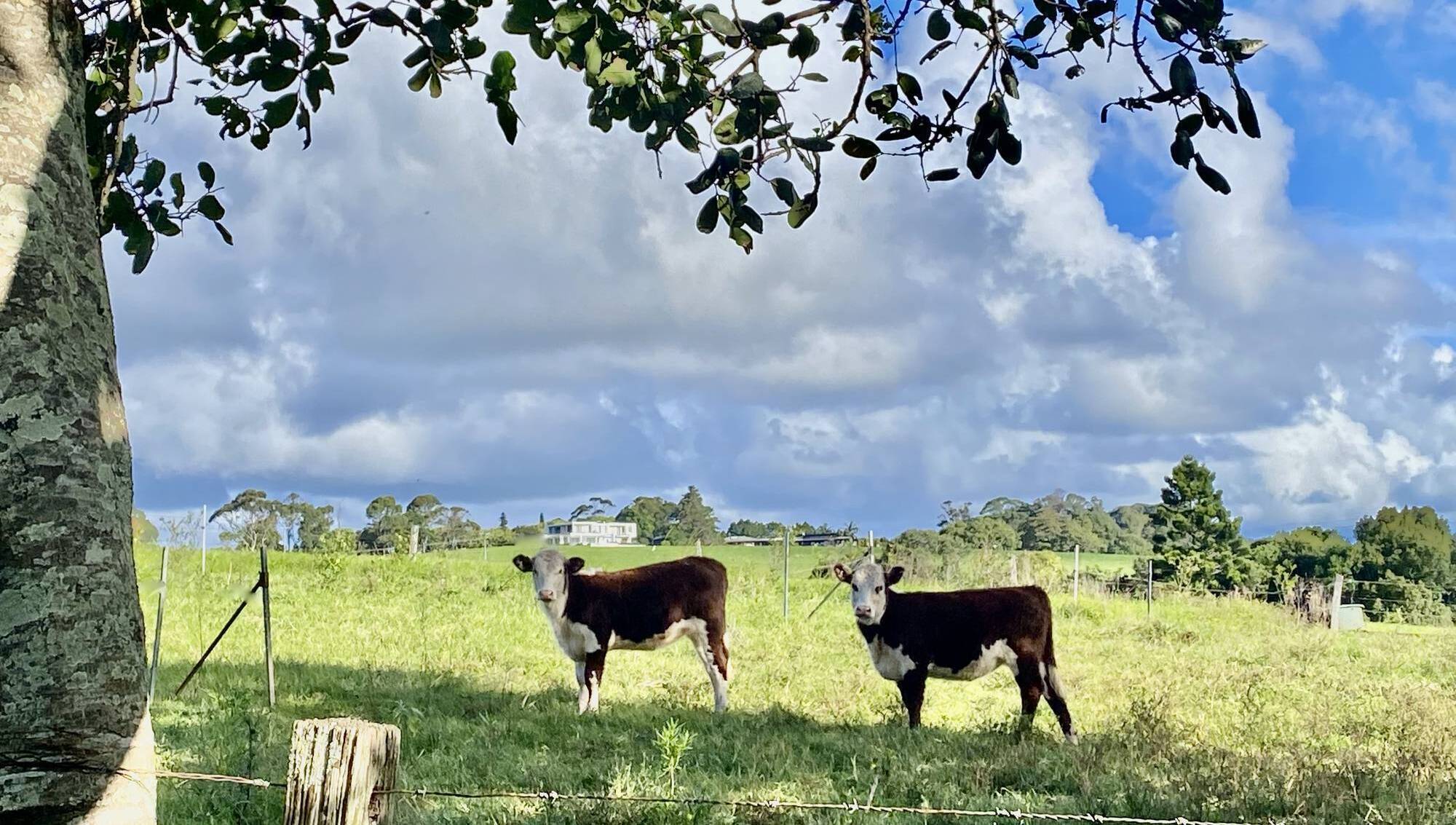
Growing top-quality grass and using a creep gate to forward graze calves while restricting the cows' grass intake is also a good way to maximise weaning weight.
As we all know, beef prices remain strong, and thankfully, suckler and beef producers are continuing to get rewarded for their hard work. Autumn-born suckler calves won’t be long before they will be weaned and heading for the sales rings around the country.
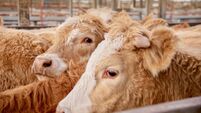
Creep feeding should not just be used to achieve easier, stress-free weaning, and many suckler producers may look at creep feed for much of the grazing season this year to optimise weaning weight.
The purpose of creep feeding should be to achieve added weaning weight in both autumn and spring-born calves. In a spring calving herd, creep feeding also takes some pressure off the suckler cow as it can help her regain her body weight and strength much faster. This will aid her fertility performance.
Creep feeding in the suckler herd should ideally commence when calves require additional energy to maintain target weight gains beyond the energy consumed from milk and grass.
In stock with high weight gain potential, this point may occur when the oldest calf is about 60-70 days old in spring herds. Creep feeding also makes weaning easier as calves are not new to feeds other than milk.
Creep feeding becomes necessary when the quality and quantity of the dam’s milk is not sufficient, calves have had a disease burden, grass for the calves is too mature, or grass is in scarce supply for the herd.
Growing top-quality grass and using a creep gate to forward graze calves while restricting the cows' grass intake is also a good way to maximise weaning weight.
The calves can pick the best-quality grass before cows are left with access to the pasture, reducing grazing competition. This strategy needs to be managed carefully, as forcing cows to graze paddocks too tightly could potentially damage reproductive performance in the cows.
Many producers will also consider the practice of running two separate cow groups by dividing bulls and heifers prior to creep feeding. Fat replacements due to creep feeding can have reduced milk production and low productivity in replacement heifers if they are over fed as weanlings.
Another important consideration is the cost of creep feed. The cost of the added weaning weight must be added to the herd’s profit. In the current climate, it pays very well to maximise weaning weight through creep feeding, as premium prices are being paid for quality weanlings.
Domestic and export markets for weanlings are part of the reason for the buoyant beef prices, and optimising the weight of weanlings at sale must be a huge priority for all weanling producers in 2025.
Creep rations should be grain and protein-based feeds. A good-quality calf creep should include coarsely rolled grain, a good source of digestible fibre and ideally hipro soya as a protein source.
Exact requirements depend on the needs of the calf crop and the target market.
Any cows that you have not seen bulling within a reasonable period after calving may need further investigation. Scanning these cows may identify problems and allow you to take action to improve their likelihood of going back in calf. Some may need to be washed out, while others may also need hormone treatment.
Suckler cows will normally resume cycling within 18-24 days post-calving after a normal birth.
A scan pre-breeding or during the early part of breeding is a very valuable management tool as it allows you to maximise the number of healthy cows that you submit to the bull or AI, and investigate any issues sooner rather than later.
It is a good idea to use some form of heat-detection aids so you can pinpoint any cows needing attention. Keep fresh cows on top-quality grass to increase their energy intake, which will help them to come in heat faster and show stronger heats.
- Brian Reidy is an independent ruminant nutritionist at Premier Farm Nutrition