Carbon farming framework likely to take years to develop
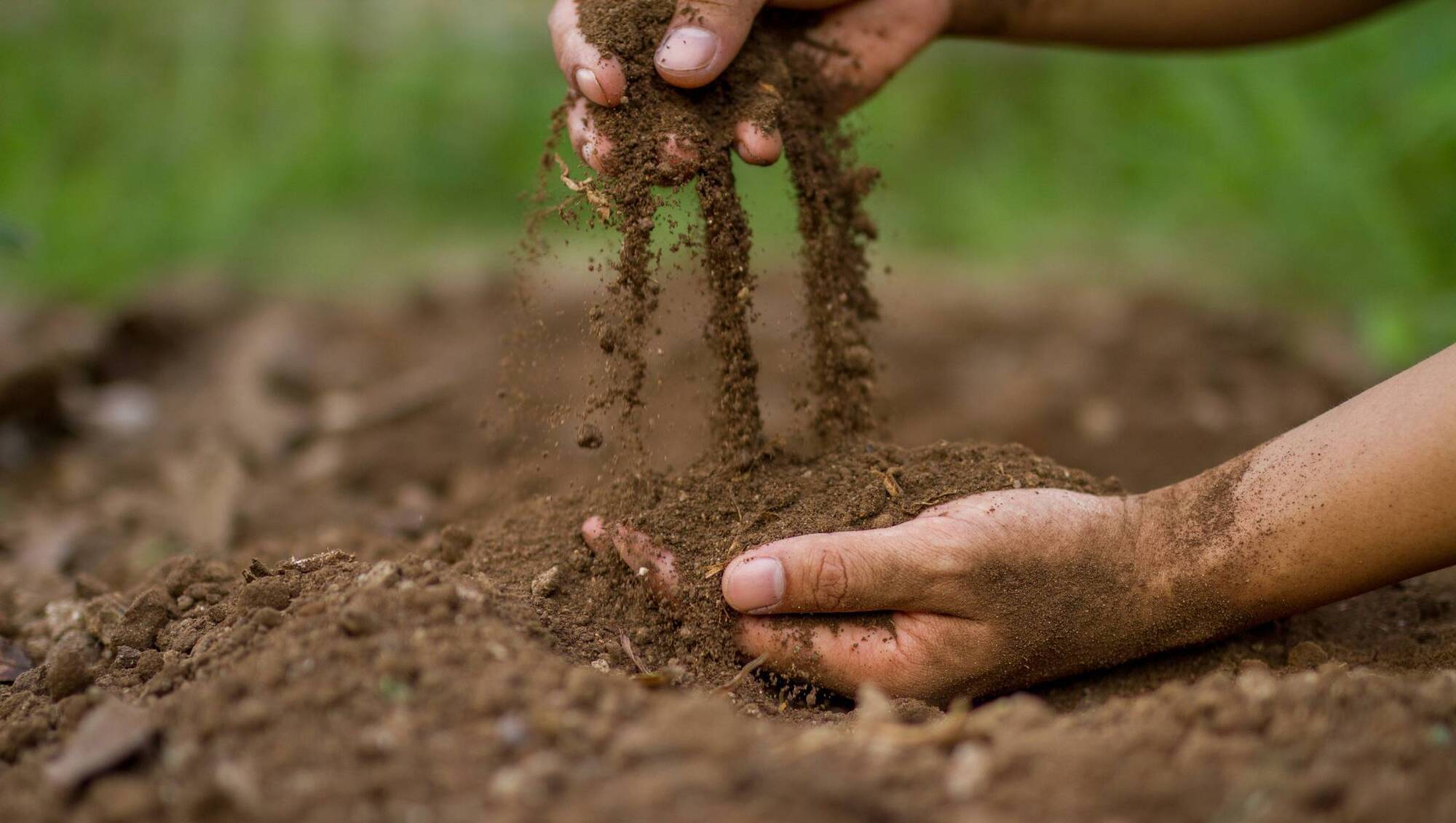
Oireachtas members were recently told that rewarding farmers to practice carbon farming solutions could help address climate change.
A regulated, certified system to pay farmers for the carbon they remove from the atmosphere and store on their lands is still some way off in Ireland.
It is likely to take years before the next steps could be completed.
Key principles to guide carbon farming must be finalised, and further public consultation carried out. Continued engagement will be needed with Carbon Removals and Carbon Farming (CRCF) regulation developments at EU level, to ensure the Irish framework aligns with the EU’s certification systems.
Pilot projects will be needed to demonstrate the effectiveness of the Irish framework. Carbon farming methods will have to be developed specific to activity types (carbon removal, emissions reduction, and biodiversity preservation/restoration).
Oireachtas members were recently told that rewarding farmers to practice carbon farming solutions could help address climate change. TDs and senators will have a role in scrutinising future carbon farming schemes, to ensure they are certified, flexible and robustly monitored, according to an Oireachtas briefing by Dr Mike Brennan, Senior Parliamentary Researcher (Environmental Science).
Meanwhile, agriculture minister Martin Heydon said: “There may be some potential in the development of carbon farming to provide an additional policy approach to supporting carbon sequestration”.
Answering a Dáil question from Erin McGreehan, TD (Louth, Fianna Fáil), the minister said the Government already supports farmers in carbon sequestration, for example in maintenance of carbon in hedgerows and grassland.
There is carbon sequestration in the National Agri-Climate Rural Environment Scheme (ACRES). The Afforestation Scheme provides financial support for planting trees on land not previously under forest. Other initiatives, such as the national liming scheme and National Soil Sampling Programme, also support carbon sequestration while supporting farmers, added the Minister.
He said he is committed to developing a National Framework for Carbon Farming, as promised in the Programme for Government and Climate Action Plan. “My goal is to provide guidance to farmers and landowners in Ireland in the development of policy to guide Carbon Farming. This aligns with similar work underway at EU level”.
Carbon farming means managing farmland to enhance its ability to take up and store carbon dioxide from the atmosphere, as well as reducing greenhouse gas emissions from soils and farm practices, according to the recent briefing for Oireachtas members.
It said many practices can be classed as carbon farming, including rewetting peaty soils; planting trees (agroforestry); soil protection measures (cover crops, no-till farming, hedgerows, restoring ecosystems, making space for nature]; and improving fertiliser efficiency.
Carbon farming can protect farms by building in resilience to climate impacts, and providing farm diversification opportunities. Carbon farming can drive down emissions, increase farm biodiversity, and improve water quality, without impacting production.
Some carbon farming measures are already in the Common Agricultural Policy, such as the standards for keeping land in ‘Good Agricultural and Environmental Condition’, peatland protection, and protecting environmentally sensitive grassland.
Additional measures include planting hedgerows, planting and improving forestry and treelines, using treebelts to capture ammonia, and nature-sensitive soil management on protected lands.
The Suckler Carbon Efficiency Programme aims to improve suckler herd genetics for carbon efficiency, and the Straw Incorporation Measure increases soil carbon.
“However, there is no regulated, certified system to pay farmers for the carbon they remove from the atmosphere and store on their lands”, Oireachtas members were told.
Meanwhile, European carbon farming policy is developing quickly. The European Parliament recently provisionally agreed on the Carbon Removals and Carbon Farming (CRCF) Regulation to establish an EU-level certification framework for permanent carbon removals, carbon farming, and carbon storage in products. It sets out rules for public and private certification schemes, ensuring the quality of carbon removals and the transparency and credibility of the certification process.
However, some environmental groups have said the CRCF Regulation will not lead to lasting carbon removals and should not be used for carbon offsets. TDs and senators were also told the Irish Farmers Association (IFA) are concerned that the EU framework would reward only new measures and does not value the carbon already stored in farms’ soils, trees and hedgerows. The IFA want farmers to be paid for their beneficial practices, regardless of when they started.
Carbon farming is being used in Europe at project and national scales. In the UK, peatland owners can sign up to the Peatland Code, a voluntary certification standard for carbon removals. The peatland owners can sell carbon credits for the climate benefits of restoration in the global voluntary carbon market.
In the Netherlands, the Currency for Peat initiative also rewards landowners with carbon credits for rewetting peat lands if their actions are certified to reduce emissions.
In Ireland, the LIFE Carbon Farming, FarmCarbon-EIP and Peatland Finance Ireland programmes envisage a future where landowners can be financially rewarded for reducing emissions and storing carbon on their lands.