Herd Tasks: Your weekly farming checklist
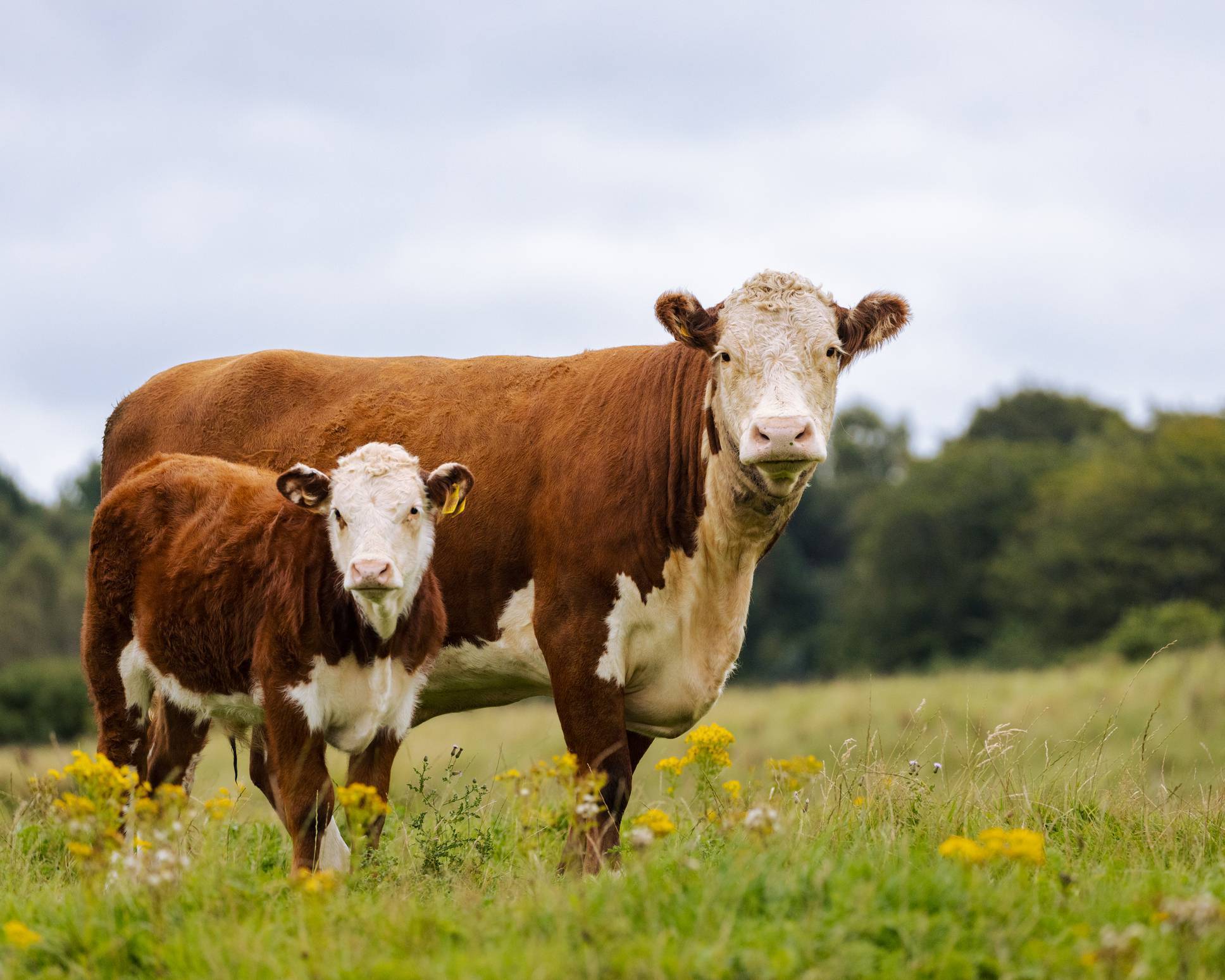
Cows rearing young calves need to optimise dry matter intake, so don’t force them to clean out paddocks too tight.
- Aim to get fertiliser on the ground once paddocks are grazed.
- Continue planning for silage - depending on land, location and production system as to whether you should put low volumes of N on when possible and cut early or go for a heavier cut at a later date. In the vast majority of cases, option one will optimise quality and quantity before next winter, as an early cut will allow slurry to be applied and push on N for a bulky but quality 2nd cut after 5/6 weeks.
- Maize and Beet planting has commenced. They really represent value and must be considered in beef and dairy herds.
- Breeding will start in spring herds very soon; I have some customers who have already started. Pre-breeding heat detections should be recorded to ensure cows are cycling normally- this will allow you to identify problem non-cycling cows requiring attention.
- Watch that the meal you are feeding has sufficient magnesium for the rate you are feeding. Keep intakes up, and don’t try to get cows to eat more grass than they can physically consume. Keep her right in early lactation, and she will look after you for the year and beyond. Cows produce the milk, and we should never lose sight of that fact!
- Supplement suckled cows at grass with Magnesium to prevent Tetany - Bucket licks or by adding it to water.
- Cows rearing young calves need to optimise dry matter intake, so don’t force them to clean out paddocks too tight and move them on to get intakes up as you will need to put them back in calf soon. The grass will still be there next time around.
- If maiden heifers are out on grass, they should be offered a fertility mineral bucket to prepare them for the breeding season. Basic elements such as Phosphorous and Calcium are important for frame growth and saliva production/digestion.