The topic of the consumer is never too far behind trade talks for the dairy market.
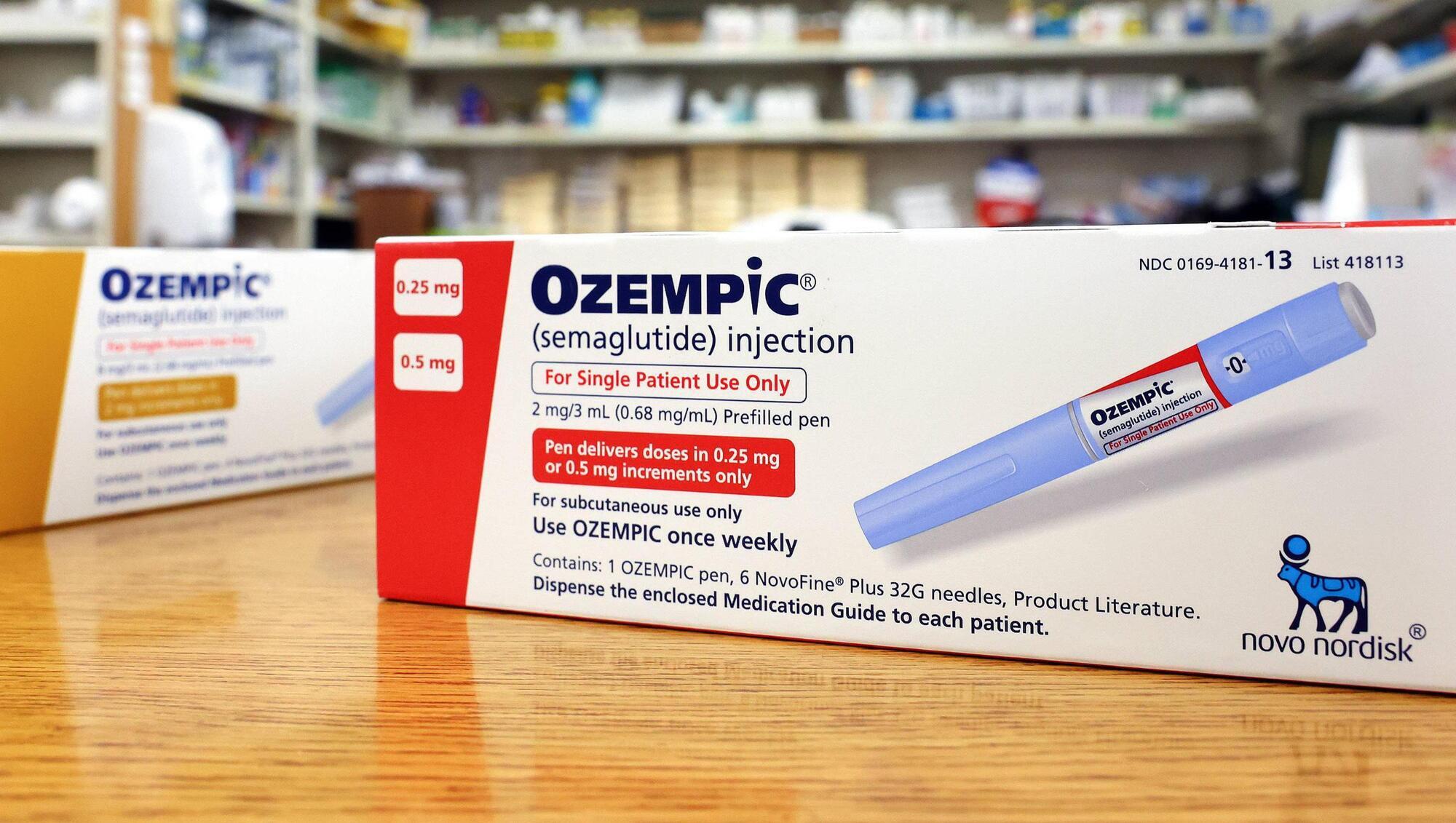
The rise in weight-loss drugs like Ozempic means food producers worldwide are assessing their future with more buyers consuming less and placing more focus on wellness and health.
For Ireland’s €18bn dairy industry the rise of Ozempic or other GLP-1 drugs can present challenges through a reduction in the consumption of certain dairy products but a rise in others such as cottage cheese and yoghurts.
At a recent Bord Bia dairy markets seminar, Nicholas Fereday, executive director at Rabobank Research said the rise of weight-loss drugs is an evolving subject that is changing on a “daily basis”.
Ozempic and other weight-loss drugs
“Initial thoughts by food companies in response to this [weight-loss drugs] is that this is a manageable threat because the supply constraints of this new class of drugs is so limited there is no way a large percentage of the population will take it up.”
It was expected that only 1%-2% of the US adult population would be taking these drugs by 2030. “Fast forward to today, that figure has been completely blown out of the water,” said Mr Fereday.
He explained that approximately 10%-12% of the US adult population are either taking GLP-1 drugs repeatedly or trying them for a certain amount of time, “which equates to approximately 25m to 30m adults in the US, predominantly women.”
“Also important to highlight that predominantly women control the household budget, the impact of these drugs on what they’re are eating influences the whole household,” he explained.
Focusing on diet implications, Mr Fereday said: “We now know that consumers are not only eating less, approximately 10-15% less on these drugs. They are also eating a lot differently as well.”
His comments were mirrored by Grace Binchy, Industry and International Insight Manager at Bord Bia who said the rise of popularity and use of GLP-1 drugs has created a more “conscientious consumer.”
There has been an increased demand for more portion-controlled, nutrient-dense meals, with Ms Binchy citing Nestlé’s new ‘Vital Pursuits’ range of ready meals specifically targeted towards GLP-1 users as well as people on weight management programs.
With a rise in interest in more protein-rich foods, consumers on these drugs are “looking for more higher nutrient-dense foods, their sweet tooth cravings have been dialled down which is also impacting snacking,” explained Mr Fereday.
On a global scale, the widespread uptake of such medications could have the potential to change the economics of food production as we know it. Investors and stakeholders may begin to seriously reconsider investments made in fast food, confectionary, and other convenient food companies, making GLP-1s a significant threat.
Discussing a recently published Cornell study, Mr Fereday said that although overall less cream, milk, cheese, ice cream, and butter sales were made with GLP-1 users, more cottage cheese and yoghurt was consumed.
“These drugs were never considered to be a single solution; they were meant to be taken alongside a change in lifestyle and food consumption,” explained Mr Fereday.
A similar sentiment was established in Ms Binchy’s presentation as she reported that Danone North America had seen a 4.2% increase in the volume of consumption in the fourth quarter of 2024, particularly in their high-protein range of products. The company is taking it as an early indicator of the impact GLP-1s can have on the market.
Food and beverage trends
Discussing consumer trends, Lu Ann Williams, co-founder and Global SVP of research with Innova Market Insights, said the number one trend for consumers in 2025 is ‘ingredients and beyond’.
As the consumer demand for added value in products becomes a standard, there is a general need to elevate the quality of products beyond the ingredients.

From a recent Innova study, Ms Williams explained: “Consumers are prioritising product safety and naturalness” for dairy products. She added that almost one in five consumers globally would reduce their dairy consumption due to artificial ingredients in processed dairy products.
Precision wellness is the second largest trend for 2025, which is challenging brands to meet targeted nutritional needs at any life stage.
The dairy product market has seen a “24% growth in launches of children-specific products from 2023 to 2024,” stated Ms Williams.
Other precision wellness approaches other than age-specific products include balanced, gender-specific, lifestyle-based, condition-specific, and performance nutrition.
As mentioned, with the rise of weight management drugs and increase in interest in healthier lifestyles, Ms Williams also commented on brands crafting products specifically tailored to health needs.

A 38% increase in new dairy launches tracked with a ‘weight management claim’ was seen from 2023 to 2024. Another Innova survey said that one in five consumers globally consider weight management as the key health reason for maintaining dairy consumption.
With one in four consumers also concerned about animal welfare, dairy brands have been advancing their efforts to set consumers’ minds at ease with an increase of 16% in animal welfare claims from brands from 2022 to 2024.
There is also an increase in environmental concerns when it comes to consumers’ food and beverage habits. Climate adaptation sits at number six on the food and beverage trends for 2025. An Innova survey found that 22% of consumers cite environmental concerns surrounding topics like carbon emissions and water usage when it comes to dairy consumption.
Ms Williams explained that 30% of consumers globally have chosen products with environment-friendly or less packaging. Ms Williams said a “critical component” in the dairy industry’s goal towards a sustainable future is also the phasing in of sustainable packaging.

Cancel anytime