Regen benefits overestimated, according to Teagasc
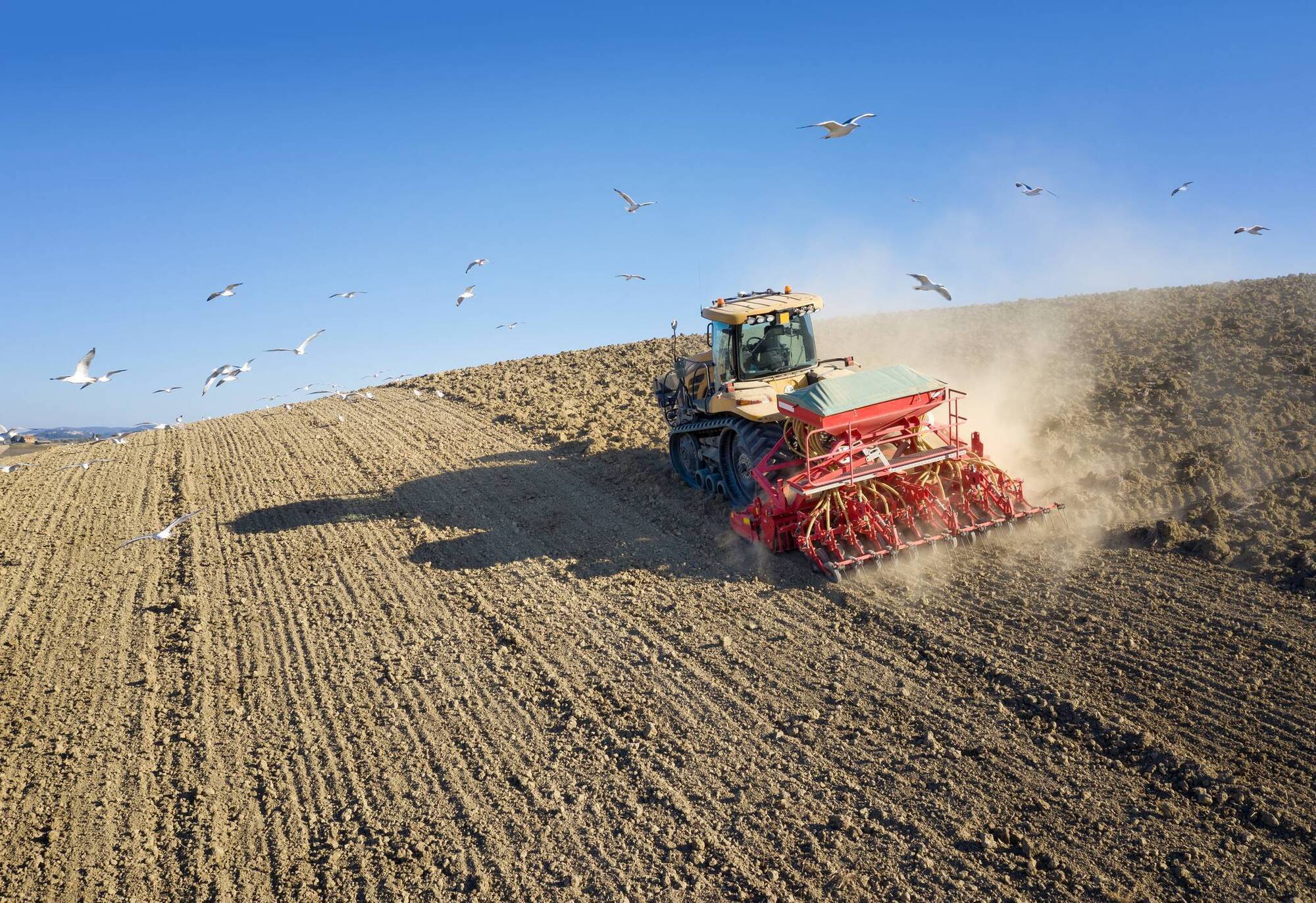
The advice stems from the results of a 23-year tillage system study in Co Carlow revealed at the recent Teagasc National Tillage Conference.

Regen benefits overestimated, according to Teagasc

Overall, the 23-year tillage system study at Knockbeg showed that the cultivation system had relatively little impact on soil carbon levels. However, min-till systems did increase earthworm and slug populations.

Irish tillage farmers interested in the non-ploughing systems now recommended for "regenerative" agriculture have been advised by Teagasc to “take a flexible approach”.

The advice stems from the results of a 23-year tillage system study in Co Carlow revealed at the recent Teagasc National Tillage Conference.


Research Officer Dermot Forristal said: “Non-inversion systems generally are high-output, lower cost, and do provide some soil benefits. However, in an Irish context, the benefits can sometimes be overestimated. In our climate, the benefits to soil carbon and greenhouse gases are small, whereas straw incorporation and cover cropping may contribute more.”

But a more comprehensive soil carbon analysis is required in the study for conclusive results.

He said the non-inversion systems can be challenged by wet autumns and later springs.

He also reminded farmers of the grass weed threat associated with min-till systems, noting that stale seedbeds, ploughing, and rotations, could be important for grass weed control, in the context of expected earlier sowing and milder climates, along with herbicide unavailability, and herbicide resistance. These changes could require farmers to alter their grass weed control strategies.

Overall, the 23-year tillage system study at Knockbeg showed that the cultivation system had relatively little impact on soil carbon levels. However, min-till systems did increase earthworm and slug populations.

Performance of continuous winter wheat was often similar in both conventional and min-till establishment systems, with the exception of wet years, when performance from the min-till system dipped.

However, non-plough systems had lower costs and higher work rates, albeit highly dependent on the depth of the min-till operation. Mr Forristal said the cost of establishing a crop using 120mm min-till was about €135/ha, 67% of the cost of plough-based systems (€200), and direct drilling costs were about €60, only 30% of plough-based systems.

Mr Forristal said the Knockbeg experiment was established in the early 2000s, when interest in alternative establishment systems had grown, due to potential labour, work rate, cost, crop, and soil structure benefits.

“We needed to validate some of these claims under a long-term trial system to capture the cumulative effects. More recently, we have incorporated environmental metrics, such as soil carbon and greenhouse gas emissions into our work”.

The effect of the establishment system (plough versus min-till and straw incorporation) was quantified over a seven-year trial, where continuous winter wheat was the main crop.

Further research studies at Knockbeg evaluated various nitrogen application strategies for conventional or min-till systems, and a nine-year study assessed the impact of cultivations and rotations.

Ploughing resulted in the best average yield overall, followed closely by shallow ploughing, min-till, and strip-till, in that order. This was specifically the case for winter wheat and oilseed rape. However, shallow ploughing and strip-till resulted in the best yields of winter oats, followed by ploughing and min-till, in that order.

There were notable slumps in continuous winter wheat yield after min-till in 2010, 2020, and 2024, and a smaller slump in 2007. Yields were similar in other years, mostly in the eight to 12t/ha range.

Regenerative agriculture is favoured for the environment and ecology. It combines ploughing less with reducing the use of chemical fertiliser, and protecting the soil, and is expected to lock up increased soil carbon, improve soil health, and even increase yields. 

Its supporters say it produces at least the average of conventional farming output, and more than average of a given crop in specific locations.

x

More in this section

Farming

Newsletter

Keep up-to-date with all the latest developments in Farming with our weekly newsletter.

Cookie Policy Privacy Policy Brand Safety FAQ Help Contact Us Terms and Conditions

© Examiner Echo Group Limited