How to buy and harvest a standing wholecrop
If you strike a deal for wholecrop, then you need to plan for its harvesting and ensiling.
A few weeks ago, I wrote about constructing a feed budget early on, in order to be able to source additional feed should you require it. With the harvest at a crossroads between winter and spring crops, the opportunity to obtain some whole crop still remains.
I have walked a lot of prospective crops for customers in the last two weeks and it is fair that there is a mixed bag available out there for livestock farmers, when it comes to crops up for sale. There will be many reasons why a cereal crop will be for sale, rather than being combined by the grower.
Most of the crops that I have walked are pretty good, given the year we have just had, and in most cases, are for sale due to volunteer grasses having emerged through the crop, and the grower wants to remove it from their farm before those seeds can spread into other fields on the farm.
There are, however, plenty of crops being sold as they are deemed not good enough for combining, i.e., they won't yield very well.
You may also come across combinations such as barley, oats and peas in one crop. Whatever the options available to you, it is always best to bring someone who knows what they are looking at with you when walking any crop. They can guide you regarding value and harvesting decisions.
This all depends on the crop's potential yield of grain and straw. As a very simple rule of thumb, if you multiply the potential yield of grain per acre by 1.5 then you have the typical yield of Dry Matter in tonnes per acre. All of this information will allow you to weigh up your options.
For instance, a bale of grass silage will have approximately 200kg of dry matter. When all costs are factored in, a bale of silage costs €50 to make (€250+ per tonne of dry matter). A typical yield per acre of grass silage in first, second and third cuts will typically be 2t, 1.5t and 1t, respectively.
This silage in the pit is costing €45 to €55/t (€190 to €250/t of Dry Matter).
How much is straw making? Reports vary from €30 to €50 for round bales and €80 plus for 8x4x3 square bales. Maize silage is trading for approx. €75 to €80/t (€230 to €245/t dry matter).
Green grain off the combine is expected to make approximately €170 to €190 /t, depending on who you ask!
With all the above information, you can then start to establish a value for any potential whole crop. You must, along with the above costings, take the nutrient value of each feed into consideration and also, most importantly, what type of animals you will be feeding with what you are purchasing, along with available feeding equipment and storage facilities.
Make sure that you confirm when getting a price, whether it is for a standing crop or a delivered price.
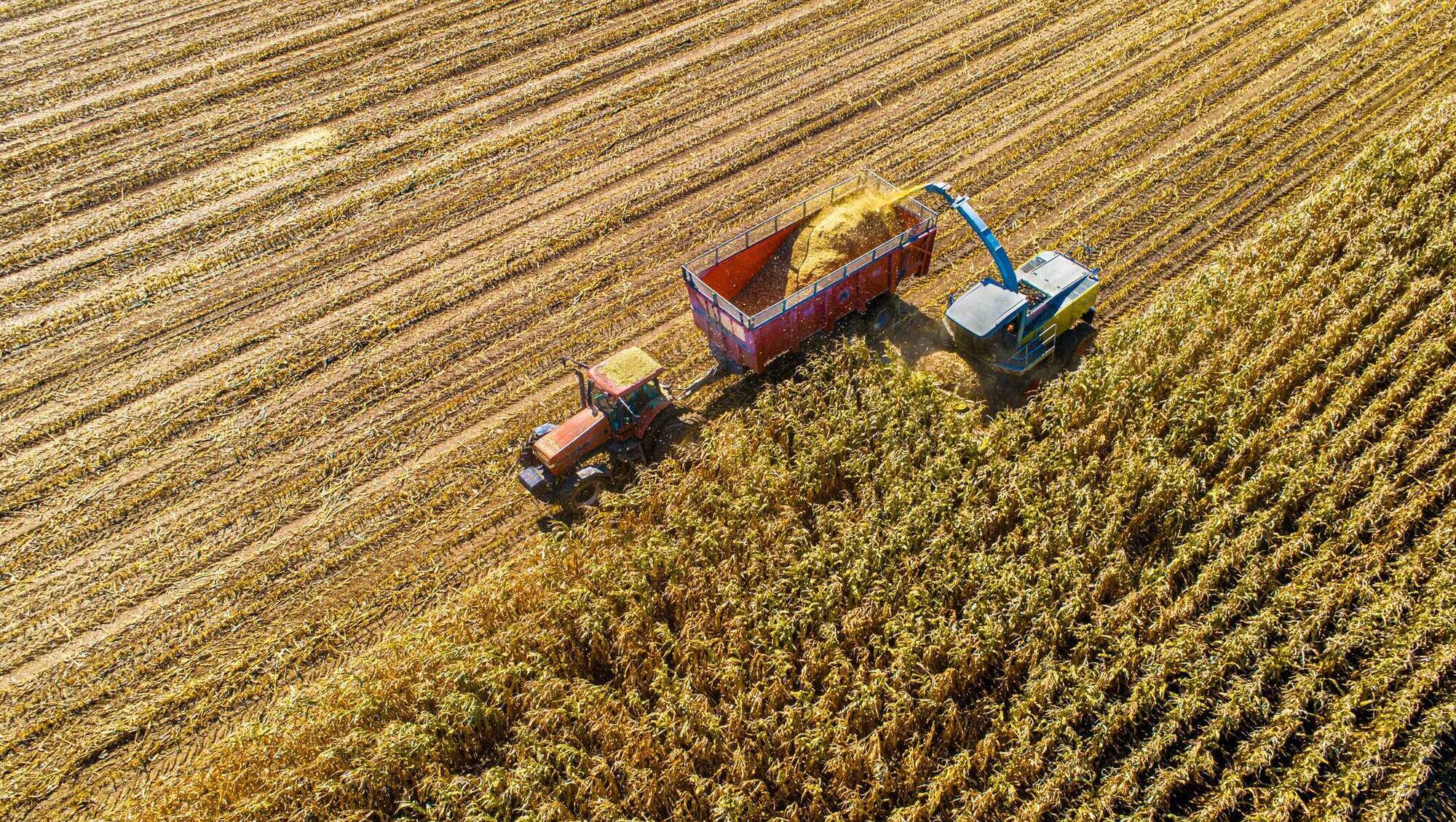
If you strike a deal for wholecrop, then you need to plan for its harvesting and ensiling. I saw a fantastic video earlier in the week on social media showing how a harvester is set up to harvest wholecrop.
It showed the pushing of the cracker into place and setting it up to crack the crop to be ensiled (remember that oats, barley, rye, wheat and triticale are all different-size grains). Don’t assume that the harvesters blades will cut the grains for you, they generally do not.
In my opinion, the best way to harvest wholecrop cereals is almost always with a wholecrop direct cut header and the grain cracker installed and engaged.
Knocking cereals on the flat with a mower and picking it up with a conventional grass header is not the right way to process and ensile a cereal whole crop as all too often the cereals are not processed properly and go through the animals undigested.
When harvesting commences, you must inspect the first load thoroughly to allow any necessary adjustments to be made if chop length or grain processing are not as you require.