There's no treat like a "farmer lie-in"
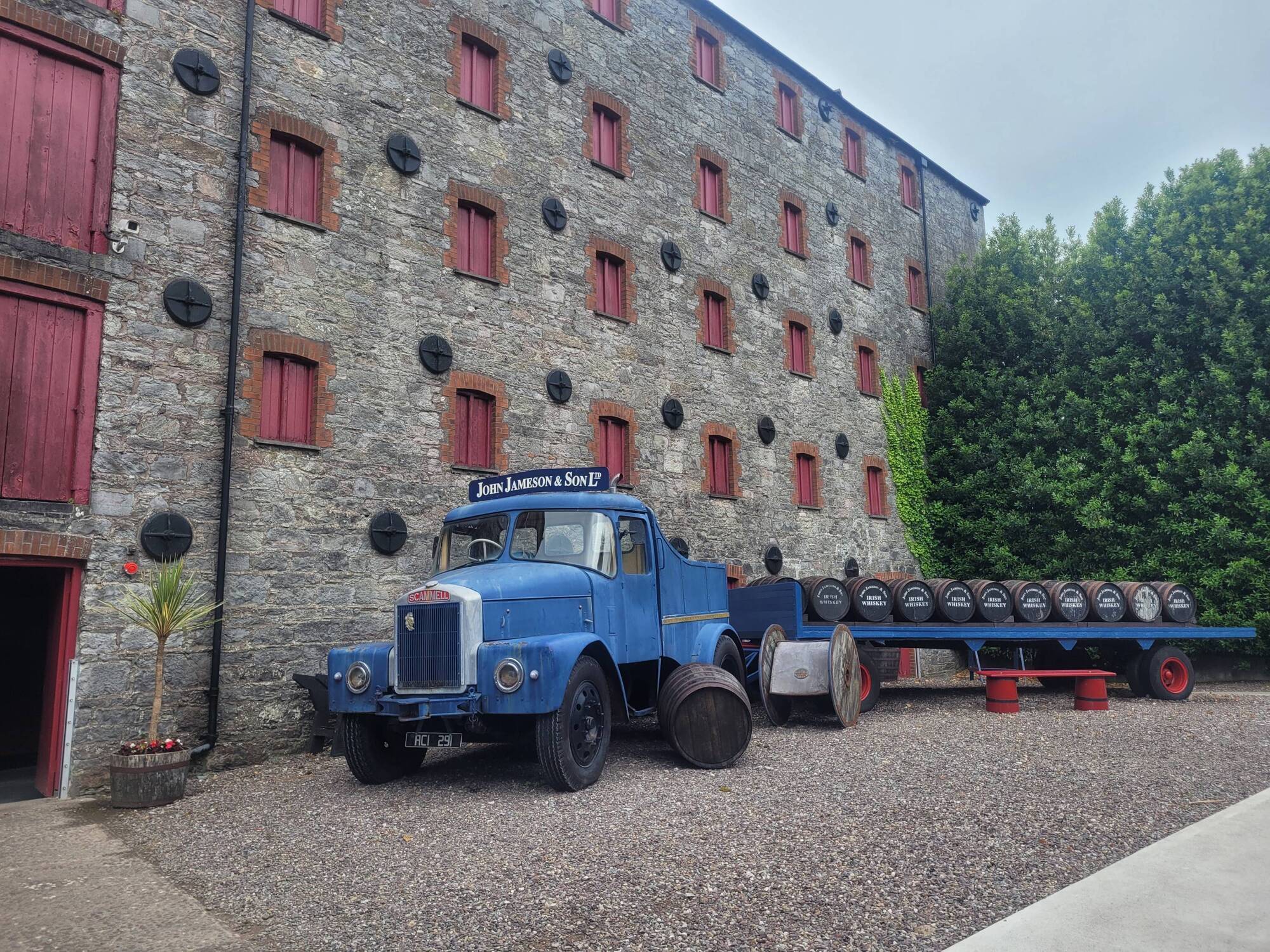
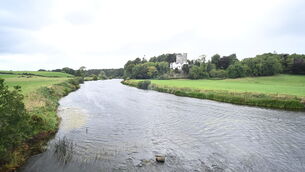
Midleton Distillery. Picture: Paula Hynes
With a rare summer weekend where we were not taking part in an agricultural show, it afforded us a Saturday morning lie-in while Becky and Georgie looked after the farm.
Now, for those of you who haven’t experienced a farmer lie-in, it still entails waking at 5am; but the real treat is going to sleep the night before with no alarm clocks set.
Unfortunately, the mental alarm clock still kicks into action in the morning - when you are used to getting stuck into work early it's a little harder to stop yourself from waking at 5am - but there is the sweet bliss of knowing that instead of rushing to get up and get your wellies on, that you can turn over for a bonus slumber.
A night away at Castlemartyr Resort awaited us on the Saturday night as the girls had given us a voucher months ago, we love it there as the staff are always so friendly and welcoming, the surroundings are peaceful, and the food is always superb.
They have a newly opened visitor centre, which is truly amazing, and as our tour guide Tom greeted us, it became quickly apparent that he had a wealth of knowledge on the history of the distillery and the process of Irish whiskey making and was also thoroughly entertaining throughout the 90-minute tour.
The old buildings are stunning, from the kiln where Irish barley was dried with warm air to the five-story high grain store where each floor held 250 tonnes of grain.
The mill building was originally a woolen mill back in 1794 before becoming a military barracks in 1803 and was finally purchased in 1825 to become a whiskey distillery.
Onwards to the brew house, the sheer scale of the 24,000-gallon washbacks and then the giant copper stills. I never knew the exact process of making whiskey, but the fact that it all begins with top-class tillage farmers harvesting top-quality barley gives me a huge sense of pride in our agricultural sector.
The process of making Irish whiskey is very exact; the maturation process is mind-boggling. Barrels are now sourced from the US, where all the Bourbon barrels originate, with the Sherry barrels coming from Spain.
A small quantity of Irish Oak barrels are used to make rare whiskeys, but Irish oak is very scarce. Many would have people believe that farmers have wiped out our old native woodlands, yet it was the British hunger for shipbuilding and use in medieval buildings that depleted our woodlands, Irish Oak was highly prized, and if you walk into any English Cathedral and look upwards, you will most likely be viewing our ancient woodlands amongst the roof structure.
It is nice to see the art and skill of coopering is still in existence in Ireland to make the Irish Oak barrels and the distillery also has its own team of coopers who repair and maintain barrels which are generally used to mature two to three batches of whiskey.
Spirit producers are the ultimate recyclers. Bourbon and sherry barrels aid the unique individual taste in combination with the type of timber for each individual whiskey, but at over €300,000 for a sherry barrel, there is little chance of having one as a planter in the garden. Most of the timber barrels in Midleton are further sold for use in the spirit industry as far afield as South America.
The people of East Cork always seem to be in great form and I finally found out why; Whiskey evaporates with age in a barrel which makes older tipples more expensive, and I reckon if you go for an evening stroll in Midelton, you are surely breathing in the fresh air with a little hint of Irish whiskey.
There were eight million barrels maturing the day we visited and the distillers are building a new warehouse every two months due to their growing global demand.
Every farmer likes to sample the fruits of hard work, and Tom guided us to a final stop in the tasting room before safely delivering us to the wonderful bar and gift shop. Luckily for me, lunch awaited in Castlemartyr, which was in the form of a wonderful platter full of Gubbeen cheeses and salami, along with freshly baked bread.
While I spend most of my time in wellies, that socialite lurking inside me is fully intent on returning to the distillery visitor centre, where they also run a cocktail-making course. I’ve lived in Cork all my life, and yet I feel we Corkonians forget the many great attractions and places to visit that are right on our doorsteps.
Back on the farm this week it has been “Allez les MOOs” in the milking parlour as French agricultural student Simon Perrigault is with us for a month.
Simon hails from Rennes, which is four hours west of Paris. Living a lot closer to the Jersey islands than us, hopefully, our Jersey girls help him feel a little at home. However, his family's dairy herd in France is full pedigree Holstein and like many herds in France, a huge focus is placed on the confirmation of cows with sires like Chief, Lambda and Sidekick being used across the herd, which does graze at grass but is also buffer fed daily with a TMR diet.
Perhaps the French are a step ahead of us Irish farmers when they are content to buffer feed daily alongside a grazing system; having bred a type of cow with ample production within its genetics, the Irish focus has been on a lower input, lower production type cow yet with poorer grass growth year on year now, deteriorating weather patterns have seen a greater need to buffer feed in Ireland and let's not forget the French do not have a nitrates derogation.
Perhaps a few field trips to France are required, and they do breed the odd good cow. Our friends in Scotland, Colin and Izzy Laird, claimed supreme champion at the Royal Highland last week with their Sidekick-sired French cow, Mag Pandor.