Tight supplies and strengthening demand 'turn the tide' for beef farmers
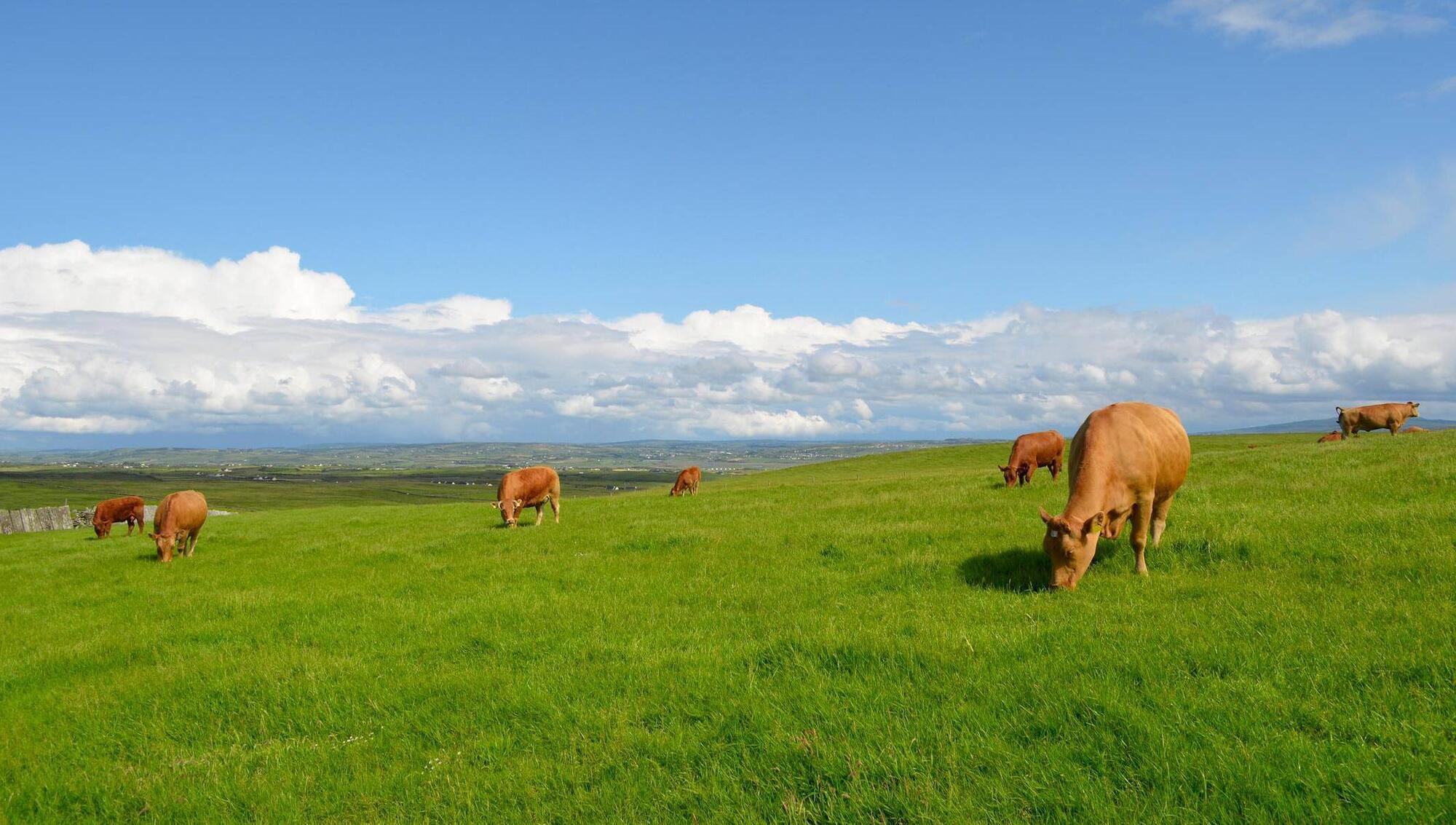
Based on Bord Bia projections, there will be 70,000 fewer cattle between now and year-end available to factories with supplies also predicted to be tight in the UK and EU markets over the coming months.
The tightening of supplies of factory-fit cattle and strong market demand has forced factories to increase prices this week, Irish Farmers' Association livestock chairman Declan Hanrahan has said.
According to Mr Hanrahan, the "tide has now turned" following a number of factories "taking advantage of stronger than expected supplies of cattle to reduce prices due to the weather difficulties faced by farmers".
"Factory agents have been instructed this week to leave no cattle behind as the anticipated tightening of numbers of suitably fleshed cattle starts to materialise, leaving factories struggling to fill lucrative contracts," Mr Hanrahan said.
"Agents are freely offering €5.10/kg and €5.15/kg base prices for steers and heifers respectively, with higher prices for larger and specialist lots.
"Demand for cows has remained firm, with prices ranging from €4.30/kg to over €5.00/kg depending on grade."
The prices paid by factory agents in marts for finished cattle and cows are "regularly well above what some are quoting", according to Mr Hanrahan.
"The mart trade is very much a credible alternative outlet for farmers, particularly those selling smaller numbers to secure higher prices."
He said that demand is set to increase further over the coming weeks and months boosted by the seasonal demand for beef and the bounce from the upcoming Euro 2024 championships in Germany.
He said the average prime Irish composite price to date this year is 7c/kg below last year’s levels, while the average prime export benchmark price is up 6c/kg.
UK prices to date are 23c/kg above last year’s average price and are currently over 70c/kg above Ireland's price, Mr Hanrahan said.
He added that based on Bord Bia projections, there will be 70,000 fewer cattle between now and year-end available to factories with supplies also predicted to be tight in the UK and EU markets over the coming months.
He said beef prices must "move on to reflect the reality of the marketplace and crucially the production costs on farms".
Between January and April 2024, cattle slaughterings rose by 4.6% when compared with the same period in 2023, CSO figures show.
In the first four months of the year, sheep slaughterings decreased by 5.6% on the same period in 2023.
The number of pigs slaughtered in the year to April 2024 increased by 0.8% when compared with the same four months in 2023.
An analysis of the data for April 2024 compared with April 2023 shows that cattle slaughterings rose by 14.9%, while the number of sheep slaughtered fell by 17.9% and pig slaughterings grew by 9%.