The milk production system promoted in Ireland must be revisited
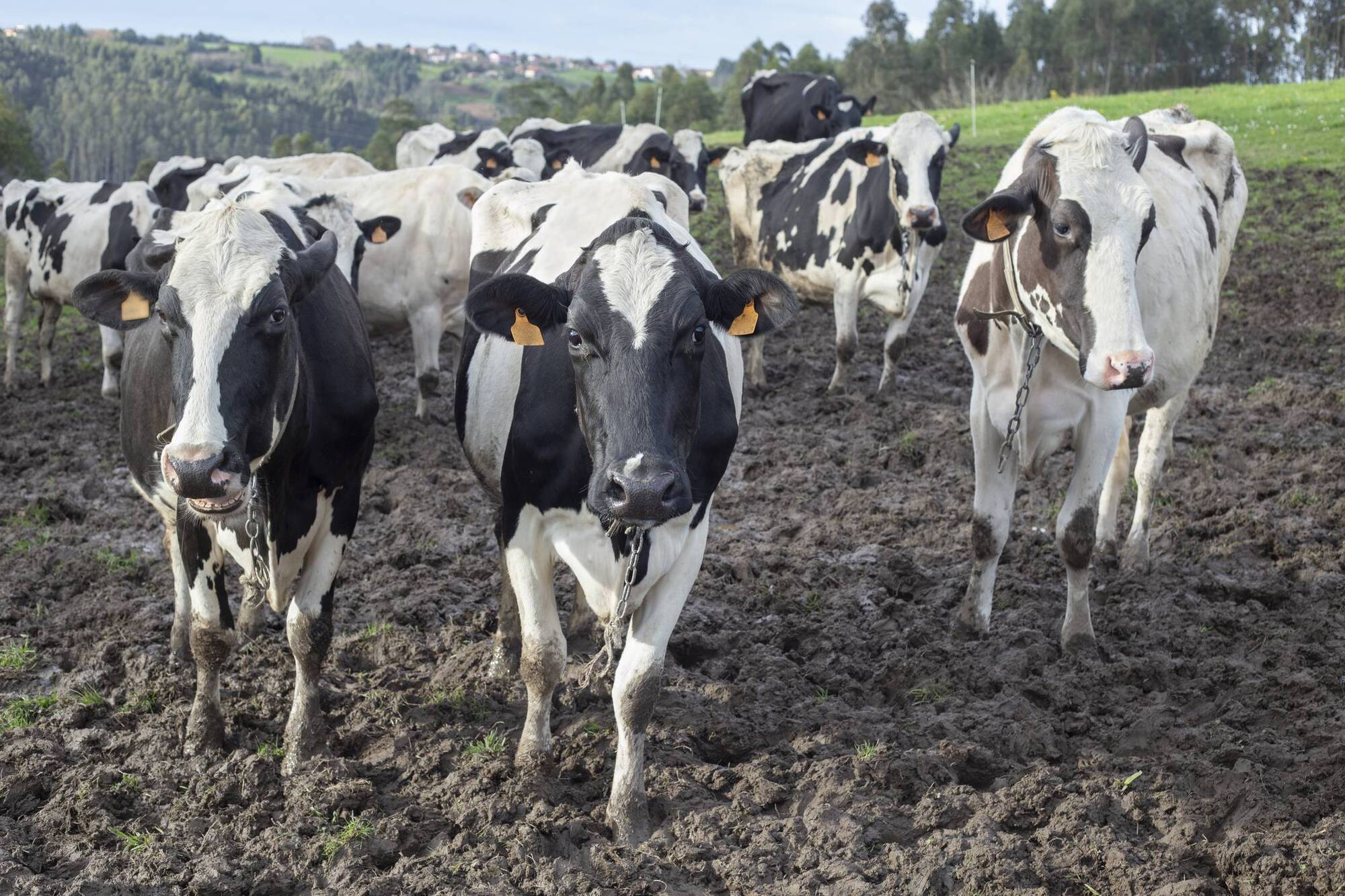
In current conditions, getting cows out too early is damaging fields significantly, warns ruminant nutritionist Brian Reidy.
Forgive me for checking, but isn’t it cows that produce the milk that dairy farmers sell to their processors? One would think from looking at social media and some press that it was grass that performed all of the magic.
So, why are milk yields way back this spring? It is simply because the cows producing it have not been supplied with sufficient energy. Milk production is a process of converting energy from the feed consumed by the cow into milk. If she doesn’t consume the energy, then she won’t produce the milk.
Why are producers being pushed to get grazing, even when it is plain to see that in current conditions, this is damaging fields significantly, and the cow and farmer are ultimately going to suffer? Cows supplied with their correct nutritional requirements will produce the milk yield that they are genetically capable of producing.
Undersupply of nutrients will simply result in lower yields, and then this will be masked by the percentage solids discussion. A high percentage of a low volume is still a low amount of kilos. This spring has been a disaster for all farming sectors in Ireland, and the last thing we need is to intentionally manage cows to have low productivity.
Why are milk producers only being pushed down one production system when there are many ways of producing milk profitably? One size does not fit all and never will. There are lots of milk producers doing an excellent job with higher milk yields while feeding a high but appropriate level of concentrates. One key aspect in all of these farms is their attention to detail when producing or sourcing the forages that they feed to their herd.
For too long, we have been advised to save average-quality silage as it is supposedly only required for dry cows. This is irresponsible advice, as it must be obvious that this silage is also needed to produce milk indoors in late lactation from fresh cows in the spring and to efficiently grow and develop replacement heifers throughout the winter and before breeding.
The whole notion of delaying calving so that they go to grass immediately is flawed for many reasons, one being that it is not always possible to get to grass once calved, be that in January, February or March (or April, for that matter).
If, as has been suggested, calving is pushed out to March to avoid needing to feed meal, then may I ask, why does it make sense to feed no concentrates to cows in early lactation when they will give an economic response to it, but it will be ok to have to feed them concentrates in October, November and December with silage during late lactation, when the response will be negligible, particularly if that silage is only of a standard to feed dry cows.
They are the ones well prepared for large grass intakes as a result of getting well fed in early lactation indoors, where management is good. They drive on when they get to grass and achieve 305 days easily while going back in calf in a timely fashion.
The advice being given to Irish Dairy farmers is broken and really needs to be revisited. This has to be done in the context of the current challenges facing the industry, namely, Nitrates regulations, slurry storage regulations, carbon, land availability, land price, farmer age profiles, and uncertainty of a successor.
Pushing more low-yielding cows to make the farmer the slave of the banking sector can't be the only milk production model promoted in Ireland. More milk from fewer cows would solve a lot of the challenges I have just listed.
Milk buyers are very concerned about supply this year, a massive change from a few years ago when there was threats of penalties for oversupply in the summer. They are now doing surveys, to find out how much less each cow is currently producing and trying to establish how much will be produced in the coming months.
The milk buyers have also sat on their hands and are now coming out with meaningless sustainability and EBI bonus payments along with forcing them to purchase inputs from their trading divisions at uncompetitive prices.
The debate needs to be had; the current system being pushed is at breaking point. A six-month winter has shown us that, and it's not a one-off. We have had similar issues in 2002/2003, 2012/2013, 2018/2019, 2022/23, and now 2023/2024. And probably more in recent years that I have blocked from memory!
- Brian Reidy is an independent ruminant nutritionist at Premier Farm Nutrition.