Tillage sector 'at breaking point' - future 'holds no promise at all'
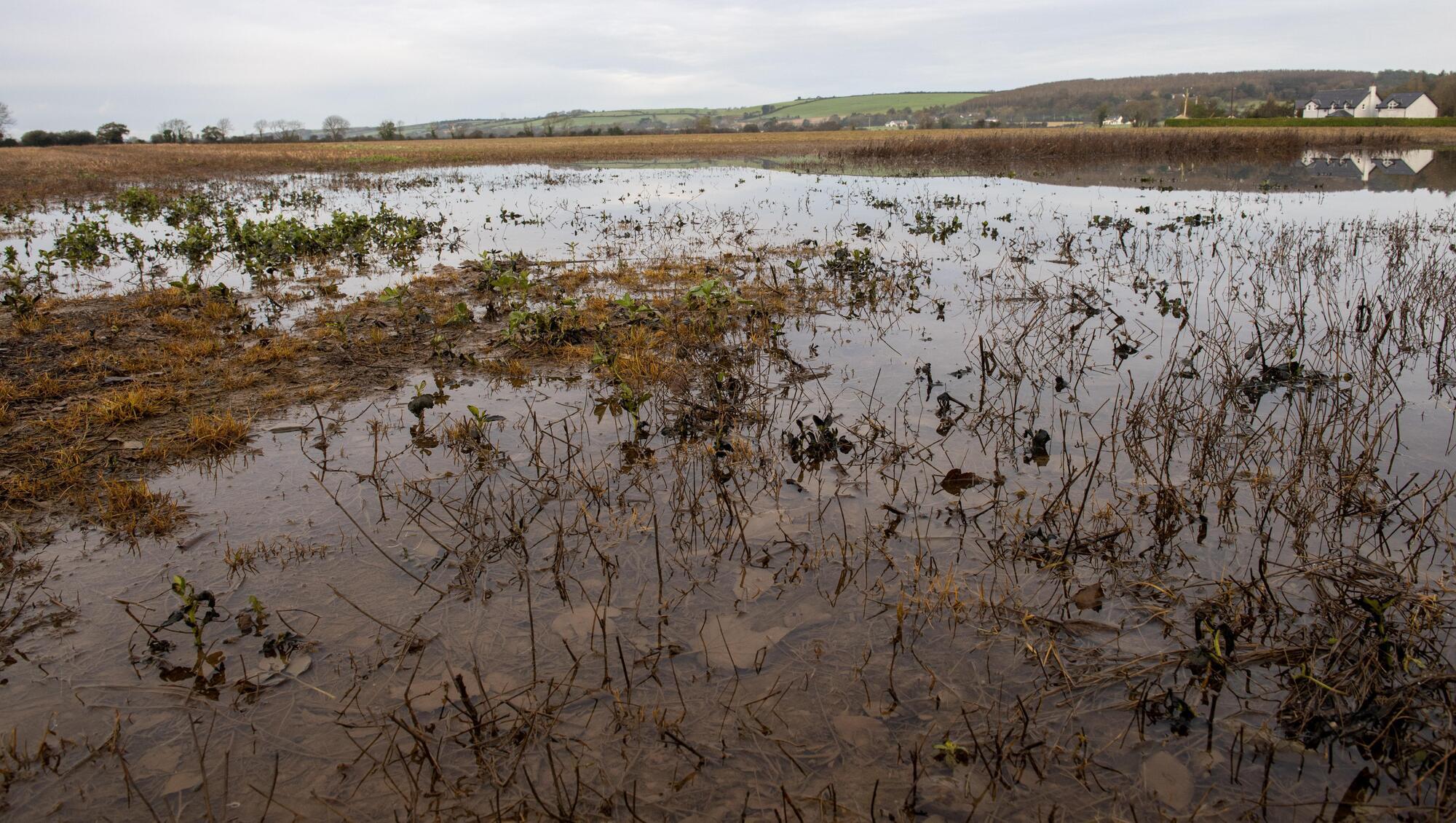
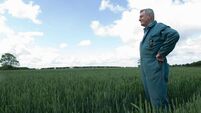
A field flooded with water last October where winter wheat should have been planted only for the very wet conditions on the lands of tillage farmer Dick Fitzgerald, Loughane, East Cork. Picture: Dan Linehan
There is a “deepening crisis” on farms due to the persistent wet weather and while all sectors are suffering, the Irish Farmers’ Association has warned that tillage is at “breaking point”.
Farmers are unable to plant and sow their crops so far this year, and this follows a “horrendous” harvest last year where they incurred big losses, IFA president Francie Gorman has said.
“It is stated Government policy to increase the amount of tillage in the country, but instead it is contracting. The Government must come forward with urgent supports to keep tillage farmers in business. If the Government doesn’t act now, lasting damage will be done,” he said.
“The ongoing weather conditions have delayed planting and sowing. The situation arising from Russia’s invasion of Ukraine is causing huge uncertainty in grain markets leaving farmers in a precarious position."
He said he has raised this with the Government, urging them to introduce “critical” intervention without delay.
“Farmers are under huge pressure at present. It is hugely difficult to get into our fields to plant crops or graze our animals,” Mr Gorman said.
“This is putting extra costs into the system and leading to a much heavier workload.”
John Jeffrey who is farming in East Ferry in Co Cork said that there are farmers wondering if it is worth continuing in the industry, as “the future holds no promise at all at the moment”.
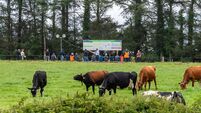
Alongside growing crops, Mr Jeffrey has 70 cattle, and “they should be out grazing for the last fortnight and the only ones we have out are the ones that have calved - there’s only 15 cows calved”.
Mr Jeffrey said “the grass is growing but you would do terrible damage if you let out the cattle on it and the regrowth on it would be very slow”.
In a typical year, Mr Jeffrey said growers by this stage would be sowing.
Winter beans, for example, could usually be planted in January – and Mr Jeffrey questions if any farmer managed to do that.
Winter barley was put in fields in October and in Mr Jeffrey's area, as a result of floods, "there are some fields with nothing in them, and there are more very patchy”.
Growers are concerned as well that even if they get sowing done, the prices could be down significantly this year, “so the future holds no promise at all at the moment”.
Mr Jeffrey, who is on the IFA’s grain committee, said that with dairy farmers' demand for land increasing as a result of the change in nitrates rules, tillage farmers are wondering if they would be better off letting their land.
Mr Jeffrey said that farmers are being told by Government how important the tillage sector is for environmental sustainability, but this contribution can only be made if the sector gets support soon.
Adding to the stress of it all for farmers is “bureaucracy”, especially as they try to get scheme applications done in the coming weeks and meet requirements.
Farmers are also urging Agriculture Minister Charlie McConalogue to introduce a fodder support scheme immediately.
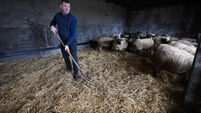
With cattle housed in many parts of the country since last September and in most areas since early October, the Irish Creamery Milk Suppliers Association said that action is needed to address what has been an "exceptionally long and wet winter period necessitating prolonged housing and the obvious need to replenish stocks as the year progresses".
A fodder scheme was in place in 2022 and 2023, which aimed to incentivise farmers, in particular drystock farmers, to grow more fodder.
Mr McConalogue said in recent days that from his department's monitoring, it appears that fodder supplies are “relatively stable on both dairy and beef farms”.
He said that Teagasc has advised that silage is “available to purchase, and that some farmers had included the option [to] purchase fodder in their winter feed budgeting plans”.
“Grass growth over the winter period has yielded strong pasture covers on farms. However, I am aware the risk of shortages is dependent on spring weather and the ability to turnout livestock to grass,” Mr McConalogue said.
“My department will continue to monitor the situation but at the moment there are no plans to introduce supports to assist farmers buying silage at this time.”