Managing through a difficult spring
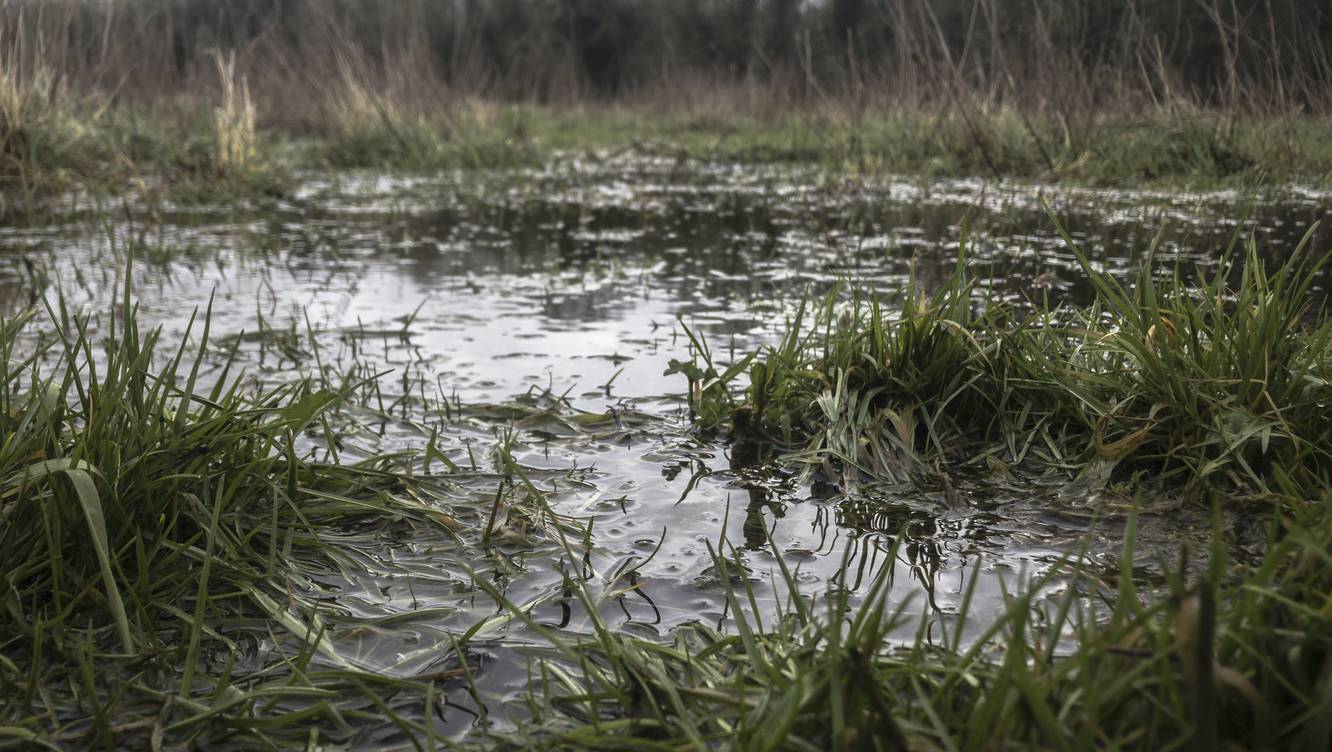
Weather conditions continue to make this an extremely challenging spring.
Weather conditions continue to make this an extremely challenging spring. One thing we can be sure of is that conditions will improve at some stage.
For now, aim to minimise the negative effects of these conditions on your farm and herd. The key areas to focus on are cow condition, feedstocks and grassland management.
As cows approach peak yield, it becomes more and more difficult to satisfy the energy requirements of these animals without a substantial quantity of grass in their diet; therefore, taking every opportunity to graze when possible is vital. Continue to use on/off grazing and spur roadways to increase opportunities for grazing.
The gradual loss of body condition in the herd often goes unnoticed when you are looking at the same herd every day. Asking another person to take a quick look at the herd can be beneficial to overcome this issue.
Feeding excessive levels of protein in the diet is likely to increase the risk of excessive BCS loss. In situations where cows are regularly grazing both day and night, 14% crude protein rations are more than sufficient. Increase the crude protein level to 16% where cows are only grazing by day.
The use of rations greater than 16% crude protein will only be required where cows are indoors full-time or where alternative low-protein feeds such as beet or maize are being fed.
Silage stocks are becoming extremely tight on many farms. Assess stocks now, and where tight, look to source additional supplies while they are still available. Existing silage stocks can be stretched by feeding fibre sources such as soya hulls as a third feed in the middle of the day.
The application of nitrogen fertiliser has been severely impacted by the poor weather conditions this spring. Once conditions allow, an application of 40 units per acre of protected urea should be applied to all paddocks that have not received fertiliser N or slurry applications yet in March.
If fertiliser is not already in your yard, source now to avoid delays when conditions improve.