Farm Finance: Protecting yourself when it comes to farm transfers
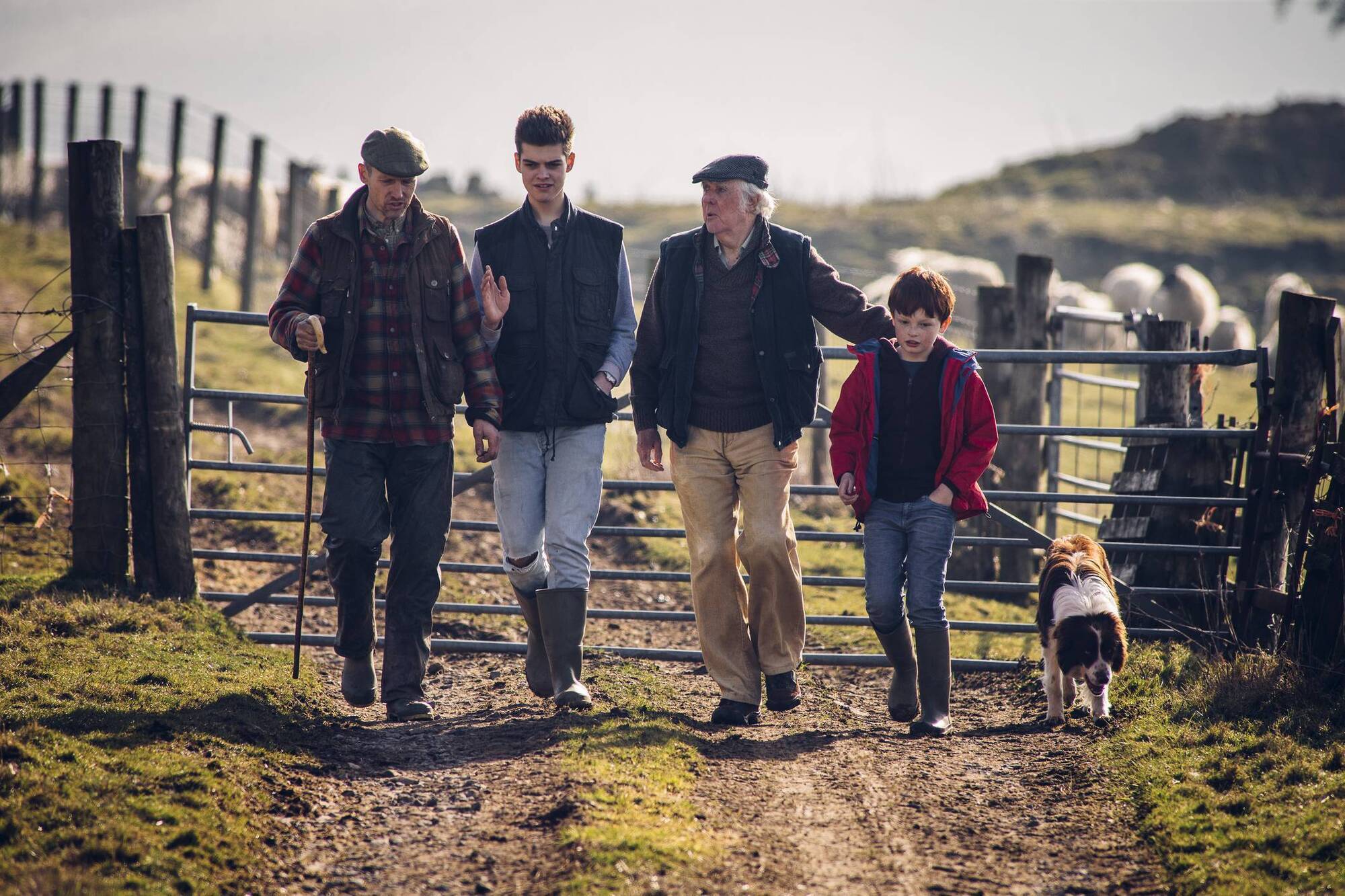
The transfer of a family farm to the next generation comes with a lot of emotions: happiness that there is someone to take on the baton, perhaps a degree of sadness that one’s time is done, and also an undercurrent of fear can exist.
Undoubtedly, the transfer of a family farm to the next generation comes with a lot of emotions: happiness that there is someone to take on the baton, perhaps a degree of sadness that one’s time is done, and also an undercurrent of fear can exist.
The emotion of fear can stem from a variety of strands, such as whether the successor will do their part in holding onto the farm asset, or will it be squandered; whether as a transferor, will you have enough income and financial security to see our your days, but also fear as to what would happen the farm in the event of marital breakdown of the successor or indeed the untimely death of a successor.
Whilst it's not of benefit to tie oneself up in knots over every if and but, some sensible teasing out of each of the items causing one angst makes sense, and from a legal perspective, there are a few protections that one can put in place.
From an income perspective, a couple retired, mortgage-free and owning their own home, and both in receipt of the State Pension can get by reasonably well. However, in the event of one spouse passing and the survivor living on just one pension, it becomes a lot more financially difficult.
Fixed costs such as home heating, electricity, broadband, car insurance, car tax, and local property taxes quickly eat into the income provided from one State Contributiontory Pension or Widowed Pension, and there is little discretion in spending the balance on day-to-day living costs.
As such, I would recommend that in retirement, a couple should aim to have supplementary income or assets, including perhaps savings or a supplementary pension that they can access that would shore them up in the event of one spouse passing away. Another option is to take out life cover but that can get incredibly expensive the older one gets.
In the event that one doesn’t have any other assets or savings or private pension and their only possession is their home and farm a transfer can still take place and a layer of protection can be built in for the transferor.
Rights of maintenance and support means that the transferor can request that the transferee covers the living costs for the transferor such as house insurance, heating oil and /or private health insurance.
This list is not exhaustive and a host of other costs can be covered if so desired by the parties. It is, of course, beneficial to set out in any transfer agreement the types of costs that can be covered. I also do recommend when advocating for a transferee that a financial limit be placed on the costs such that a transferee doesn’t find themselves stuck with a poisoned chalice, i.e. owning a farm on paper but pauperised as a result of having to fund his or her parents' lifestyle without limits.
Of course, the first protection that a would-be transferor could consider is retaining some of the property, e.g. keeping back a field or two. This option works well where the successor is likely to benefit from agricultural relief presently and hopefully again in the future where you intention is to pass that land on via your will.
The advantage is that by retaining some property, you can derive some income from it, and ultimately, you retain the option to sell or otherwise dispose of it should your relationship with your successor turn difficult or should your financial needs overtake your means.
A further option worth exploring is the transfer of assets into joint names with a successor as a stepping stone, rather than an outright transfer.
From a tax perspective, there can be both advantages and disadvantages of this approach too, which should be explored in detail, including an initial reduction in the stamp duty arising on the transfer but a loss of control of the point at which agricultural relief is assessed.
It is good to tease out the options before being forced into a position of having to make a transfer either due to ill health or as a result of a successor nearing 35 years of age and at risk of losing out on young, trained farmer stamp duty relief. Presently there is a grant of 50% available for succession planning advice.
The grant is to encourage and support farmers aged 60 years and above to seek succession planning advice by contributing up to 50% of vouched legal, tax and advisory costs, subject to a maximum payment of €1,500.