Ask a solicitor: I want to lease out the farm but keep the direct payments
Long-term leasing of land has surged in popularity since the government announced favourable tax incentives on rental income for landlords in 2015, writes solicitor Karen Walsh.
Dear Reader,
Long-term leasing of land has surged in popularity since the government announced favourable tax incentives on rental income for landlords in 2015.
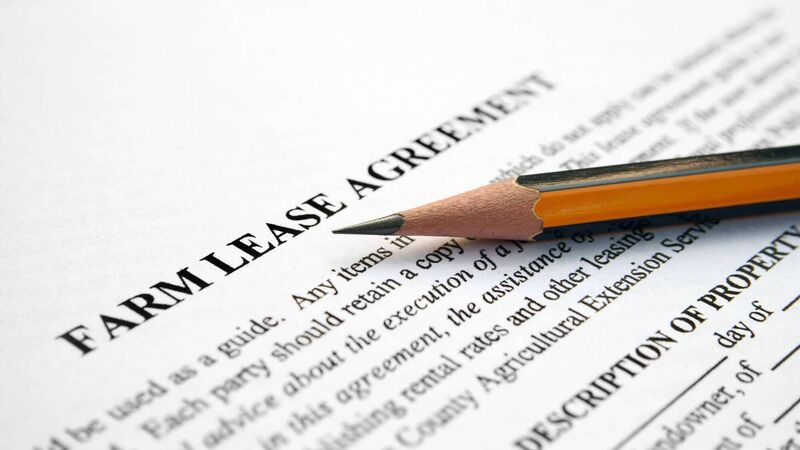
A lease document is a written legal agreement between a lessor (the landowner or landlord) and a lessee (the active farmer or tenant). The lease sets out the obligations of both parties during the period of the lease, providing useful legal protection to all parties.
To qualify for the long-term income exemption scheme, the Revenue Commissioners have advised that a lease must:
- Be in writing.
- Contains the names and addresses of the landlord and tenant.
- Specify the acreage, address, location etc. of the land.
- Sets out the terms of the lease.
- Signed by the lessor, lessee and independent witnesses.
- Be for a definite period of five years or more.
- Leases between close relatives do not qualify.
- A company may be an eligible tenant, provided it is not connected with or controlled by the landlord.
I note that you are claiming EU payments. It is critical to include clauses in the lease that protect these payments as much as possible.
For example, the tenant would lodge all paperwork in time and repay you the payments promptly if this has been agreed with the tenant, the tenant would be responsible for any farm management costs and compliance and will pay any costs compliance fines arising therefrom, etc.
In such a situation, the farmer and you will agree to engage with each other to determine a sustainable solution and review the position with respect to the entitlements on an annual basis.
It is also critical that if there are buildings on the land, the farmer signs a deed of renunciation, which should be attached to the lease to ensure that he acknowledges that he is not entitled to an automatic renewal of the lease and waives his rights under the Landlord and Tenant Acts etc.
The lease must provide that insurance is in place in order that you, as lessor, be indemnified for, for example, all claims or liabilities arising from the lessee’s use of the property. It is critical that the lessor has his or her own public liability insurance and evidence of this is produced every year to you for the term of the lease.
You may want to consider, particularly if it is a long term lease you are entering into, as to whether you want to insert a rent review clause. It is advisable. You can make provision in the lease for regular rent reviews during the term of the lease, for example, every five years.
While lease agreement templates are readily available and the Irish Farmer’s Association (IFA) has produced an excellent precedent master agricultural lease, it is advisable to seek the advice of a solicitor in order to adapt the lease agreement to your specific needs.
Email: info@walshandpartners.ie
- While every effort is taken to ensure the accuracy of the information contained in this article, Karen Walsh does not accept responsibility for errors or omissions howsoever arising. Readers should seek legal advice in relation to their particular circumstances at the earliest opportunity.